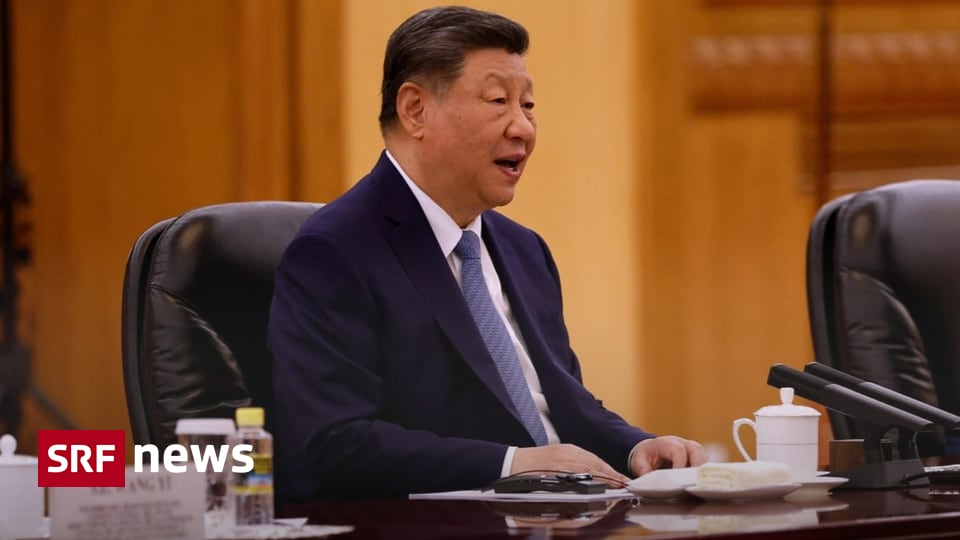
Beijing has sharply condemned the United States’ decision to implement a naval blockade of Iranian ports, labeling the move “irresponsible and dangerous.” The escalation comes at a critical juncture as the international community attempts to navigate a volatile security landscape in the Middle East, where China’s role in the Iran-US conflict is increasingly defined by a delicate balance of economic dependency and geopolitical posturing.
The blockade, which came into effect on Monday, follows the collapse of peace talks between Washington and Tehran in Pakistan. While the U.S. Administration asserts the measure is necessary to force Iran to abandon its nuclear ambitions, China—the largest buyer of Iranian oil—warns that the blockade undermines an “already fragile ceasefire agreement” and threatens the safety of maritime traffic in one of the world’s most vital waterways.
At the heart of the crisis is the Strait of Hormuz, a critical choke point that Iran effectively closed in response to previous US-Israeli strikes. The current US-led blockade adds a new layer of complexity to the region’s instability, potentially cutting off essential energy supplies to China and triggering far-reaching economic consequences for Beijing.
The US Naval Blockade and Maritime Disruption
The United States Central Command (CENTCOM) announced that the blockade on all maritime traffic entering or exiting Iranian ports began at 10 a.m. ET on April 13 per official orders. According to CENTCOM, the restrictions apply to vessels of all nations operating in Iranian ports and coastal areas, including those within the Gulf of Oman and the Arabian Gulf.
To mitigate total regional paralysis, US forces have stated they will allow free navigation for ships passing through the Strait of Hormuz, provided they are traveling to or from non-Iranian ports. However, the impact on trade has been immediate. Early shipping data already indicates significant disruptions in movement through the strait as reported by Reuters.
China’s Defence Minister Dong Jun has maintained that Beijing will respect and honor its trade and energy agreements with Tehran. “Our ships are moving in and out of the waters of the Strait of Hormuz,” Dong stated, warning the US not to meddle in China’s affairs and asserting that the strait remains open for Chinese vessels.
Allegations of Weapons Shipments and MANPADS
Beyond the maritime blockade, a burgeoning intelligence dispute is straining the relationship between Washington and Beijing. US intelligence assessments indicate that China is preparing to deliver new air defense systems to Iran within the coming weeks according to sources familiar with the matter. Specifically, these systems are identified as shoulder-fired anti-air missile systems known as MANPADS.
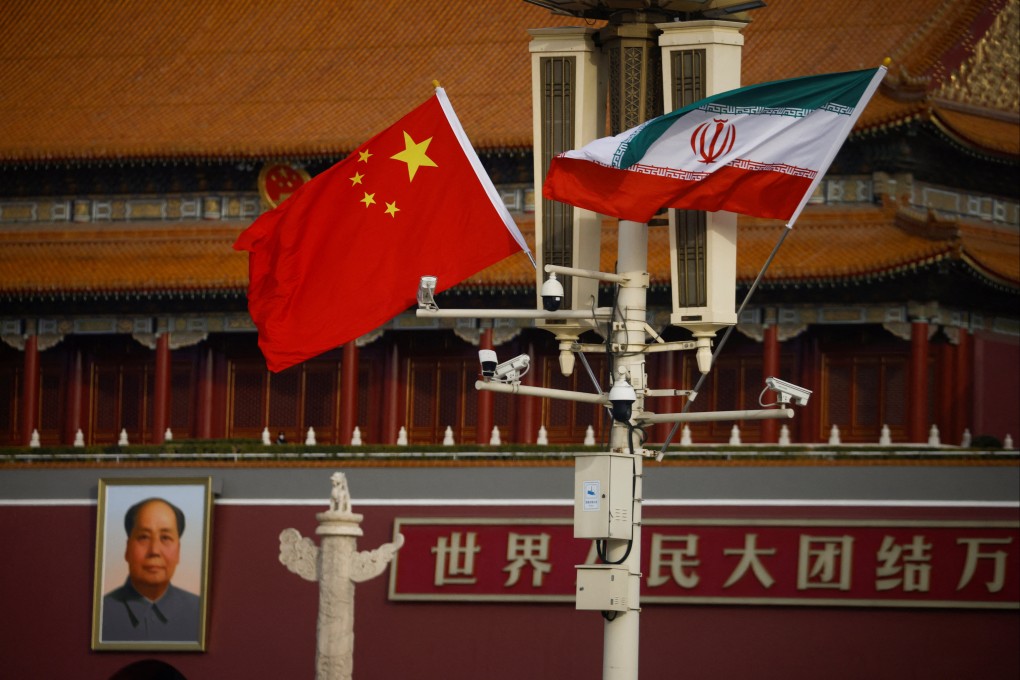
The delivery of MANPADS is viewed by US officials as a provocative move. These systems pose an asymmetric threat to low-flying US military aircraft, a danger that was evident during the five-week war preceding the current ceasefire as detailed by CNN. Intelligence reports further suggest that Beijing may be routing these shipments through third countries to mask their true origin.
China has categorically denied these claims. Foreign ministry spokesman Guo Jiakun told a news conference on Tuesday that reports of new air defense systems being delivered to Iran were “completely fabricated” per the BBC. Similarly, a spokesperson for the Chinese Embassy in Washington stated that China has never provided weapons to any party in the conflict and described the information as untrue.
Economic Stakes and Strategic Pressure
The geopolitical tension is inextricably linked to energy security. As the primary purchaser of Iranian oil, China is uniquely vulnerable to any disruption in the Strait of Hormuz. Analysts suggest that the US blockade is designed not only to pressure Tehran but also to compel Beijing to use its influence to encourage Iran to reopen the strait according to BBC reporting.
For Beijing, the situation is a strategic dilemma. While it seeks to maintain its energy flow and support its economic ties with Iran, it must also manage its complex relationship with the United States. The US administration has made it clear that there will be consequences for weapon transfers; President Donald Trump stated that if China delivers weapons to Tehran, “China will have big problems” as reported by CNN.
Key Points of Contention
| Issue | United States Position | China Position |
|---|---|---|
| Naval Blockade | Necessary to stop nuclear ambitions and pressure Iran. | “Irresponsible and dangerous”; undermines ceasefire. |
| Weapon Shipments | Intel indicates MANPADS delivery via third countries. | Claims are “completely fabricated” and “untrue.” |
| Strait of Hormuz | Allowing free navigation for non-Iranian port traffic. | Demands restoration of normal traffic for all. |
| Diplomatic Path | Pressure through blockade after failed Pakistan talks. | Urges dialogue and adherence to ceasefire arrangements. |
The Path Toward Diplomatic Resolution
The failure of peace talks in Pakistan has left a diplomatic vacuum that both superpowers are now struggling to fill. China continues to advocate for a comprehensive ceasefire and an end to the war as the only way to fundamentally ease the situation in the strait per official ministry statements.
Despite the current hostilities, a significant diplomatic window remains. President Donald Trump is scheduled to visit China early next month for talks with leader Xi Jinping according to CNN. This upcoming summit is viewed as a critical opportunity to address the weapons allegations and the maritime blockade before the regional situation deteriorates further.
As the world watches the Strait of Hormuz, the outcome of these high-level talks will likely determine whether the current ceasefire holds or if the region slides back into open conflict. For now, China remains committed to its economic agreements with Iran while publicly urging all parties to return to the path of dialogue.
The next major diplomatic milestone will be the scheduled meeting between President Donald Trump and President Xi Jinping early next month to discuss the crisis and bilateral relations.
Do you believe the naval blockade will succeed in forcing diplomatic concessions, or will it further destabilize the region? Share your thoughts in the comments below.
Keep reading