
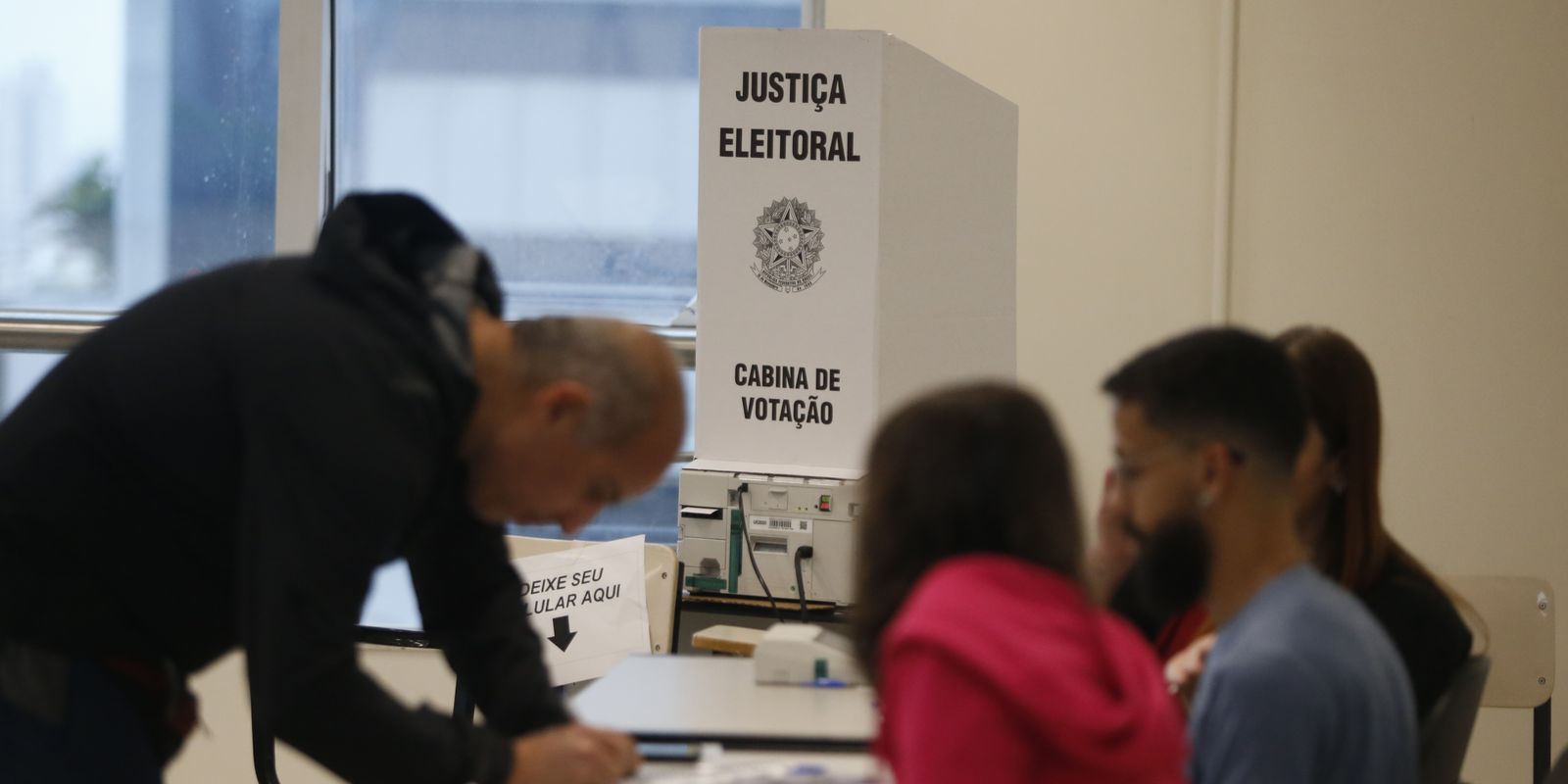
Brazil is witnessing a profound demographic shift that is poised to reshape the country’s political landscape. Recent data reveals a surge in the number of voters over 60 in Brazil, a group now colloquially known as the “Silver Generation,” whose growing influence could prove decisive in the upcoming general elections this October.
According to a study by Nexus-Pesquisa e Inteligência de Dados, which utilized information from the Tribunal Superior Eleitoral (TSE) Open Data Portal, the electorate aged 60 and older has grown by 74% over the last 16 years. This expansion far outpaces the general growth of the voting population, signaling a transition toward an older, more numerically significant voting bloc.
Between 2010 and 2026, while the overall number of eligible voters across all age groups increased by 15%, the 60+ demographic grew five times faster. In 2010, there were 20.8 million voters in this age bracket; by March 2026, that number had climbed to 36.2 million. This shift comes at a critical time as Brazil prepares for its next electoral cycle, with the “Silver Generation” now representing approximately one in every four voters nationwide.
The Strategic Weight of the Silver Generation
The sheer volume of older voters is not merely a statistical curiosity but a strategic asset in a highly polarized political environment. Marcelo Tokarski, CEO of Nexus, suggests that this demographic could act as the “fiel da balança”—the deciding factor—in the 2026 elections. While Tokarski notes that this group alone may not determine the final result, their collective influence is substantial enough to sway a balanced system.
The importance of this bloc is highlighted by the narrow margins seen in previous contests. In the 2022 presidential election, the gap between the leading candidates was minor, totaling fewer than 2 million votes. Given that there are now 36.2 million voters over the age of 60, the preferences of this group could easily overcome the margins that defined the last election cycle.
For political strategists, the “Silver Generation” represents a critical target. In scenarios of acute polarization, securing the loyalty of older voters—who often exhibit different priorities and voting patterns than younger cohorts—becomes a primary objective for candidates seeking a majority.
Electoral Growth and Registration Deadlines
The overall growth of the Brazilian electorate mirrors the country’s broader demographic trends. Total eligibility has risen from 135.8 million people in 2010 to 156.2 million as of the most recent data collection. This increase of roughly 20 million voters underscores the expanding scale of the democratic process in the region.
Although, these figures are not yet final. The TSE has established May 6, 2026, as the final deadline for voter registration. Experts expect the number of eligible voters, particularly those in the 60+ category, to increase further before the window closes, potentially amplifying the influence of the Silver Generation even more before the October polls.
Comparative Growth: 2010 vs. 2026
| Voter Category | 2010 Count | 2026 Count (March) | Percentage Growth |
|---|---|---|---|
| General Electorate | 135.8 Million | 156.2 Million | 15% |
| Voters Aged 60+ | 20.8 Million | 36.2 Million | 74% |
Implications for the October Elections
The rise of the Silver Generation forces a reconsideration of campaign messaging. Issues such as healthcare, pensions, and social security—traditionally high-priority topics for older citizens—are likely to take center stage in the race for office. As this group now constitutes 25% of the electorate, candidates who fail to address the specific needs of the 60+ population risk alienating a quarter of the potential vote.
the trend of decreasing abstention among older adults in recent elections suggests that this group is not only growing in number but also in active participation. This combination of high volume and high engagement makes the Silver Generation a powerhouse in the democratic process.
As Brazil moves toward the October elections, the focus will remain on how candidates navigate this shifting demographic. The ability to mobilize the 36.2 million voters over 60 will likely be a cornerstone of any winning strategy, especially if the results remain as tight as they were in 2022.
The next critical milestone for the electorate is May 6, the final deadline for voter registration with the TSE. Following this date, the official final counts for the October elections will be solidified.
We invite our readers to share their perspectives on the impact of aging populations on global politics in the comments below.