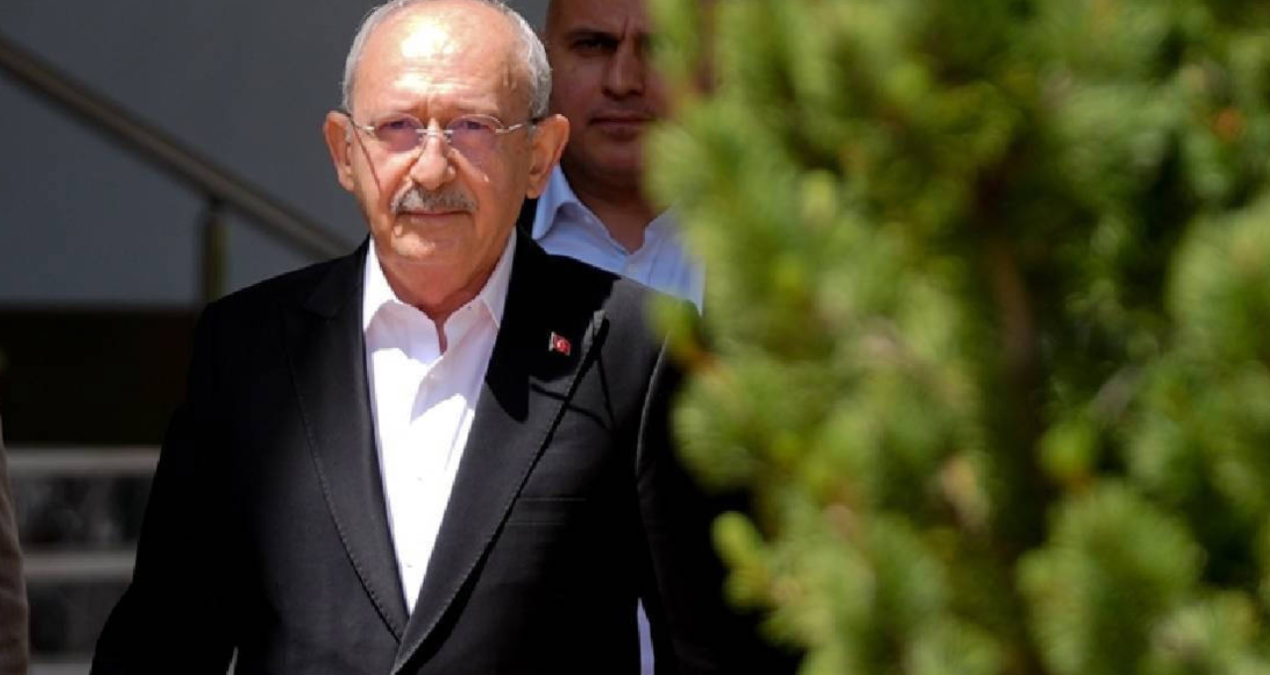
The political landscape within Turkey’s main opposition party, the Republican People’s Party (CHP), continues to face intense scrutiny following a series of pointed remarks made by former chairman Kemal Kılıçdaroğlu. The discourse centers on allegations regarding the influence of the Fethullah Gülen Terrorist Organization (FETÖ) and the internal dynamics surrounding the current leadership of Özgür Özel. These developments have sparked a significant reaction from various stakeholders, most notably from military personnel who were previously targeted in high-profile legal cases linked to FETÖ-era judicial operations.
For observers of Turkish politics, the term “FETÖ” refers to the network led by Fethullah Gülen, which the Turkish government designated as a terrorist organization following the failed coup attempt on July 15, 2016. The controversy surrounding Kılıçdaroğlu’s recent statements—specifically his use of the phrase “FETÖ remnants”—has reignited debates over the party’s past, its institutional memory and the current trajectory of its leadership under Özel. The situation underscores the sensitivity of legal and political legacy issues in a country where the judiciary’s past actions against the military remain a deeply traumatic chapter for many, as documented by the official records of the Balyoz and Ergenekon trials.
The Nature of the Internal Party Conflict
The tension surfaced following public comments by Kılıçdaroğlu, which many analysts interpreted as a critique directed at the current CHP administration. Critics within and outside the party have debated whether these statements indicate a deeper rift regarding the party’s ideological direction or a tactical maneuver ahead of potential internal restructuring. According to reports from major news outlets monitoring the Turkish parliamentary process, the rhetoric has prompted swift responses from CHP officials, who have sought to distance the current leadership from the controversial labels employed by the former chairman.
The impact of this rhetoric is particularly felt by those who were victims of the “kumpas” or “set-up” trials. In these historical cases, members of the Turkish military were accused and subsequently imprisoned based on evidence that was later determined by courts to be fabricated or manipulated by FETÖ-linked judicial and police officials. For these individuals, any mention of FETÖ in the context of current political infighting is seen as a trivialization of the legal battles they fought to clear their names and regain their professional standing in the years following the Turkish Constitutional Court’s rulings on rights violations.
Military Personnel Voice Dissent
The reaction from former military officers and their families has been sharp. Many have taken to public platforms to express their frustration, arguing that the political discourse is being hijacked for narrow gains. The sentiment among this group is that the CHP—a party that has historically positioned itself as the guardian of secularism—should focus on national unity rather than engaging in internal finger-pointing that invokes the trauma of the 2010s.
While Kılıçdaroğlu has defended his position, describing his intent as a warning against institutional infiltration, his opponents within the party argue that such language undermines the current leadership’s efforts to broaden the party’s appeal. This conflict is not merely rhetorical; it touches upon the Turkish judicial system’s ongoing efforts to finalize cases related to the 2016 coup attempt and the broader cleanup of state institutions. The question remains whether this friction will lead to a formal internal reckoning or if it will be managed through the party’s upcoming executive committee meetings.
Political Implications and Future Outlook
From an analytical perspective, the current volatility highlights the difficulty of navigating the post-2016 political environment in Turkey. The CHP is currently in a phase of transition, attempting to balance its traditional voter base with the need for modern political pragmatism. The use of “FETÖ” as a political epithet serves as a reminder of how deeply the 2016 events remain woven into the fabric of daily political life, even years later.
As the debate continues, political analysts are watching for any official statements from the CHP headquarters. The party’s ability to resolve these internal disputes without alienating key constituencies—including the military establishment and those affected by historical purges—will be a critical factor in its performance in future electoral cycles. Official updates regarding these internal party procedures are typically published through the CHP’s central information portal, where members and the public can monitor the party’s official stance on internal disciplinary matters.
Key Takeaways
- The controversy stems from former leader Kemal Kılıçdaroğlu’s recent comments regarding “FETÖ remnants,” which were perceived as targeting the current leadership of Özgür Özel.
- Military personnel who were victims of historical judicial “set-ups” (kumpas) have expressed significant dissatisfaction, viewing the political rhetoric as insensitive to their past struggles.
- The dispute highlights ongoing internal tensions within the CHP regarding its ideological direction and its approach to Turkey’s complex post-2016 political climate.
- The situation remains fluid, with observers looking toward upcoming party executive meetings for potential resolutions or further shifts in policy.
The next major checkpoint for this narrative will be the scheduled meetings of the party’s central executive committee, where internal grievances are traditionally addressed. As these developments unfold, it remains essential for stakeholders to rely on verifiable institutional communications rather than speculative reports. We invite our readers to share their perspectives on this development in the comments section below, and to join the conversation on our social media platforms for the latest updates on international and regional political affairs.

Related reading