
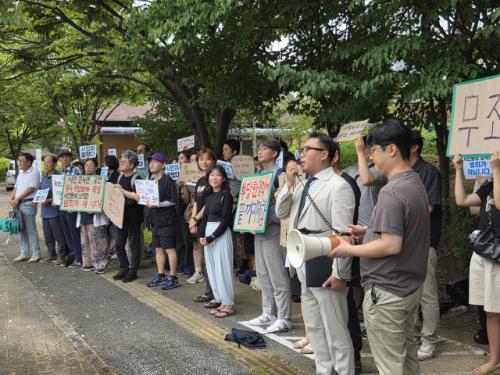
In a significant victory for civic engagement and cultural preservation, a group of 24 citizens in Wonju, South Korea, has been acquitted of all charges related to their peaceful opposition to the demolition of the historic Academy Theatre. The final acquittal was confirmed after prosecutors declined to appeal the appellate court’s ruling by the deadline of April 17, 2026, allowing the not-guilty verdict to stand.
The citizens, affiliated with the civic group “Friends of the Academy,” had gathered outside the theatre in late 2023 to protest its planned demolition by the Wonju city government. Their sustained presence, which included round-the-clock vigils and peaceful demonstrations, led to charges of obstructing business operations and unlawful entry onto the premises. However, courts at multiple levels determined that their actions constituted protected expression under South Korea’s constitutional guarantees of free speech and assembly.
The Academy Theatre, opened in 1983, is recognized as one of the oldest continuously operating cinemas in South Korea and has served as a cultural landmark in Wonju for over four decades. Advocates emphasized its role not only as an entertainment venue but as a repository of collective memory, having hosted generations of moviegoers and community events. The theatre’s architectural integrity and historical significance were central to the protesters’ argument that its destruction would erase an irreplaceable part of the city’s identity.
Despite public consultation processes that were later criticized as inadequate, the Wonju municipal government proceeded with the demolition in October 2023, citing safety concerns and urban redevelopment plans. The decision sparked immediate backlash from heritage conservationists, film enthusiasts, and local residents who viewed the theatre as more than a commercial asset — it was a symbol of civic pride and cultural continuity.
During the trial, prosecutors relied on allegations that the protesters’ encampment interfered with demolition logistics. Yet, the defense highlighted that no violence or property damage occurred during the demonstrations. Notably, the private company contracted to carry out the demolition submitted a document stating it did not wish to pursue punishment against the protesters, a fact that prosecutors initially disregarded before continuing with the case.
In its initial ruling, the trial court acknowledged that opposition to public policy — especially concerning cultural heritage — falls squarely within the realm of protected speech. Judges emphasized that peaceful protest, even when it causes inconvenience, cannot be criminalized merely because it challenges government decisions. The appellate court upheld this reasoning, rejecting the prosecution’s appeal and affirming that the citizens’ conduct was lawful and non-disruptive in nature.
The final confirmation of innocence on April 21, 2026, was met with relief and celebration among the defendants and supporters. Many described the outcome not just as a personal vindication but as a broader affirmation of the right to dissent in a democratic society. Legal observers noted that the case reinforces judicial precedent protecting civic activism, particularly when it involves the preservation of historical and cultural spaces.
While the theatre itself could not be saved — demolition was completed in early 2024 — the legal outcome has been interpreted as a moral and symbolic triumph. Activists hope the ruling will encourage greater scrutiny of urban development projects that overlook community input and undervalue intangible heritage. Moving forward, similar cases may benefit from the precedent set here, where courts recognized that safeguarding memory and identity is not obstruction, but an essential democratic function.
For updates on ongoing cultural preservation efforts in South Korea, readers can refer to official announcements from the Cultural Heritage Administration or follow reports from trusted domestic news outlets covering urban planning and civil rights developments.
We invite our global audience to share thoughts on the balance between progress and preservation. How can cities honor their past while building for the future? Join the conversation in the comments below and help spread awareness by sharing this story.