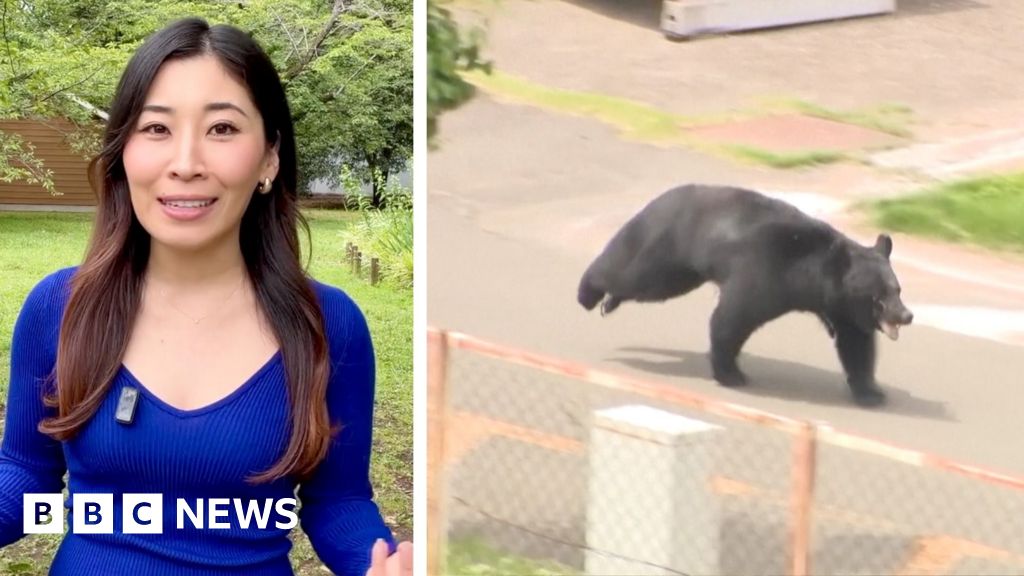
In the mountainous regions of north-east Japan, a series of unusual encounters between wildlife and residents has captured national attention. Local authorities are managing a heightened alert following reports of a bear that has demonstrated an unexpected capability to bypass physical barriers, allegedly opening a window to access a structure. This incident, while appearing extraordinary, underscores the growing challenges associated with human-wildlife coexistence in Japan’s rural prefectures.
The situation involves an animal that reportedly injured four people, prompting a swift response from emergency services and local government officials. While the specific behaviors of the bear—including its dexterity in navigating human infrastructure—have been widely discussed, the primary focus for regional authorities remains the safety of the local population and the ongoing efforts to mitigate further risks to public health. According to Japan’s Ministry of the Environment, the management of wildlife encounters in urban and semi-urban areas is governed by strict protocols designed to protect both citizens and the animals involved.
Understanding the Rising Trend of Wildlife Encounters
Experts in zoology and regional conservation point to a confluence of factors contributing to the increased frequency of bear sightings in residential areas. As rural populations in Japan age and decline, the abandonment of agricultural land has led to the expansion of forest boundaries into previously managed spaces. This geographical shift often places human habitation in closer proximity to the natural habitats of Asian black bears and brown bears, which are native to the Japanese archipelago.
The Iwate Prefectural Government and other regional bodies frequently issue guidance regarding the dangers of food attractants. Bears are highly intelligent opportunists. when natural food sources—such as nuts and berries—are scarce, they are known to seek alternative sustenance in human-occupied zones. The ability to manipulate latches or windows, while rare, is documented behavior in highly motivated, food-seeking mammals that have become habituated to human environments.
Safety Protocols and Public Awareness
For residents in the affected regions, the standard operating procedure involves immediate reporting of any bear sighting to local police or municipal offices. Authorities advise against attempting to approach or document the animal, emphasizing that keeping a significant distance is the most effective safety measure. The Government of Japan maintains centralized resources for disaster and emergency preparedness, which include specific instructions for handling dangerous wildlife encounters in residential sectors.
- Secure Property: Ensure that windows and doors are reinforced, and avoid keeping food or trash in areas accessible from the outside.
- Immediate Reporting: Contact local authorities immediately upon sighting a large animal near human dwellings.
- Maintain Distance: Under no circumstances should individuals attempt to interact with or photograph a wild animal at close range.
- Stay Informed: Monitor local municipal broadcasts for updates on wildlife activity and specific safety warnings issued by regional agencies.
The Path Forward: Coexistence and Conservation
The challenge of managing these bears is multifaceted. On one hand, the safety of the public is the immediate priority; on the other, environmental agencies are tasked with the long-term conservation of these species. The Ministry of the Environment continues to fund research into non-lethal deterrents, including specialized fencing and behavioral modification strategies, to reduce the reliance on culling as a primary management tool.
As the situation in north-east Japan evolves, the focus will remain on the efficacy of these deterrents and the ability of local communities to adapt to the changing landscape. For the residents of the affected districts, this period of heightened awareness serves as a reminder of the fragility of the boundary between civilization and the natural world.
The next official update regarding regional safety measures and wildlife management strategies is expected to be released through the Ministry of the Environment’s portal as part of their ongoing seasonal wildlife reporting. We encourage our readers to remain vigilant and follow the guidance provided by local prefectural authorities. Please share your thoughts in the comments section below or join the conversation by sharing this report with your community.