
New scientific analysis has concluded that the record-breaking temperatures experienced in Ireland during May were statistically impossible without the influence of human-induced climate change. As global meteorological patterns continue to shift, this finding underscores the increasing frequency of extreme weather events and their direct correlation to long-term environmental trends.
The study, which examines historical climate data alongside modern atmospheric observations, highlights a significant departure from previous baseline temperature norms. Researchers point to the intensifying role of greenhouse gas emissions in altering regional weather systems, effectively raising the probability of heatwaves that were historically considered rare or anomalous. For residents and policymakers, this serves as a critical indicator that the environmental landscape is undergoing a permanent transition rather than a temporary fluctuation.
The Science of Attribution
Attribution science—the field of study tasked with determining the extent to which climate change influences specific weather events—has become a cornerstone of modern environmental reporting. By utilizing complex climate models, scientists can isolate the impact of anthropogenic warming from natural climate variability. In the case of Ireland’s recent May heat, the data suggests that the thermal ceiling for the month has been fundamentally shifted upward.
This assessment aligns with broader observations from the Met Éireann, the Irish National Meteorological Service, which maintains the official record for weather patterns across the island. While natural phenomena like the North Atlantic Oscillation can influence monthly averages, the current trajectory shows that even minor deviations from historical averages are now being exacerbated by the global rise in mean temperatures.
Broader Environmental Implications
The implications of these findings extend beyond mere temperature statistics. Rising heat levels directly affect agriculture, water security, and public health infrastructure. As Ireland navigates its commitments under the Climate Action Plan, the need for robust adaptation strategies becomes increasingly urgent. The government’s ongoing efforts to transition toward a low-carbon economy are designed to mitigate the long-term impact of these environmental shifts, yet the current data indicates that the effects are already being felt in real-time.
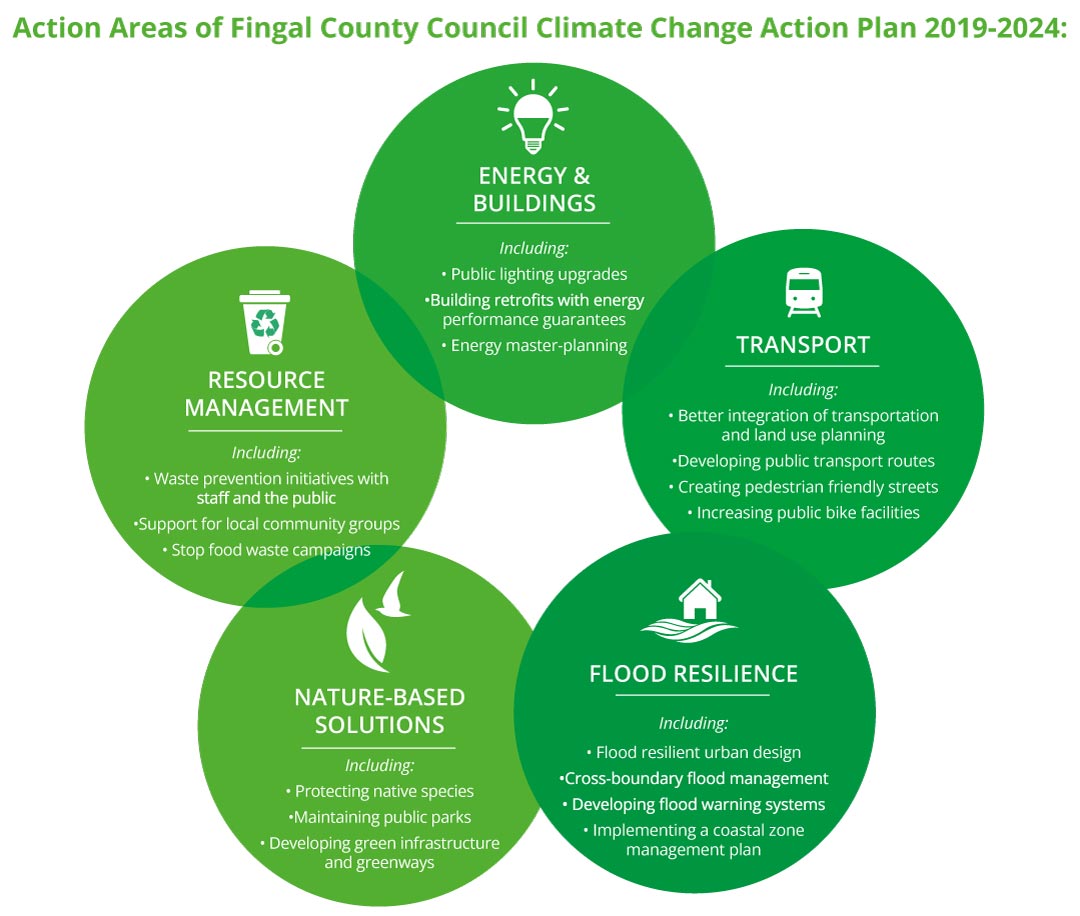
the Environmental Protection Agency (EPA) continues to monitor these indicators as part of its mandate to track Ireland’s environmental health. Their reports consistently show that the warming of the atmosphere is not a distant threat but a present reality that is actively rewriting the meteorological history of the region.
Key Takeaways
- Human Influence: Modern climate models confirm that the recent temperature records in Ireland would not have been reached under pre-industrial climate conditions.
- Statistical Significance: The shift in May temperature averages represents a measurable departure from the historical baseline established over the last century.
- Policy Alignment: These findings provide a scientific basis for the ongoing implementation of national climate mitigation and adaptation strategies.
- Public Awareness: Understanding the link between localized weather events and global climate trends is essential for community preparedness and long-term planning.
Looking Ahead: Monitoring and Mitigation
The scientific community remains focused on longitudinal studies to better predict the frequency of such events. As we move into the summer months, meteorological agencies will continue to release updated seasonal outlooks. Official data and climate updates for the public can be found through the Met Éireann Climate Change portal, which provides ongoing analysis of national weather patterns.
As an editor who has followed international climate policy for over 16 years, I observe that the conversation is shifting from theoretical modeling to tangible, on-the-ground reality. The challenge ahead lies in how effectively these scientific insights are translated into infrastructure improvements and societal resilience. We will continue to monitor official reports from climate councils and government bodies as they release further data on the 2026 climate landscape.
What are your thoughts on how local regions should adapt to these changing temperature norms? Share your perspectives in the comments below, and stay tuned to our ongoing coverage of climate developments as more data becomes available.
Keep reading