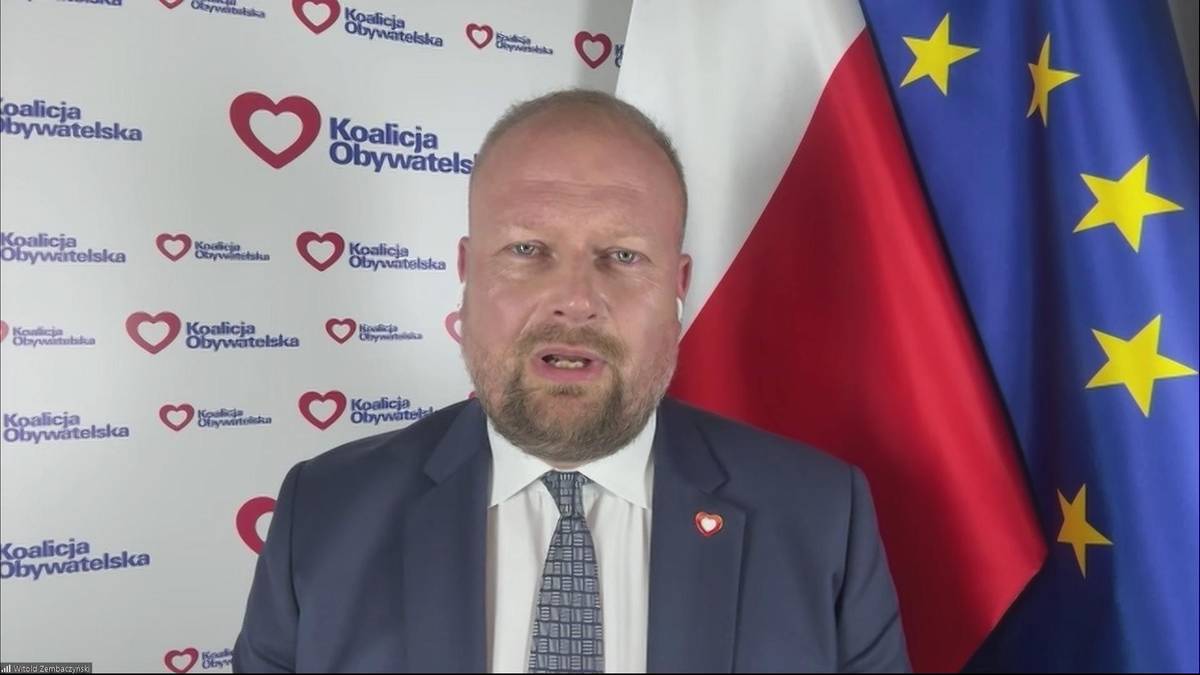
In the evolving landscape of Polish institutional governance, the role of the Institute of National Remembrance (IPN) has once again moved to the center of political debate. Recent statements from members of the Civic Coalition (KO) have signaled a push to re-evaluate the leadership of Karol Nawrocki, the current president of the Institute. This move underscores broader tensions regarding the mission of state-funded historical institutions and their influence on the national narrative.
As we monitor shifts in administrative oversight, the discussion centers on whether the leadership of such a pivotal institution remains aligned with current parliamentary priorities. The call to neutralize the toxic role of Karol Nawrocki—a phrase recently echoed by coalition lawmakers—reflects a growing legislative appetite for personnel changes at the helm of state entities. For international observers, this development serves as a case study in how political shifts in Warsaw impact the management of historical memory and public policy.
The Institutional Context of the IPN
The Institute of National Remembrance, established by the Act of December 18, 1998, functions as a unique entity tasked with the prosecution of crimes against the Polish nation and the management of extensive archival records from the communist and Nazi occupation eras. Its president is elected by the Sejm, the lower house of the Polish Parliament, for a five-year term. According to the official legal framework governing the IPN, the institution operates with a high degree of autonomy, yet its leadership is inherently subject to the political climate of the legislature that appoints it.
Karol Nawrocki, who assumed the presidency in 2021 after being elected by the Sejm with a vote of 247 in favor, has overseen a period marked by significant public discourse regarding historical policy. His tenure has been characterized by an emphasis on assertive historical education and the pursuit of investigations into crimes against the Polish state. However, this approach has drawn sharp criticism from opposition figures who argue that the institution has become overly politicized, effectively drifting from its primary mandate of objective historical research toward a more partisan ideological platform.
Legislative Tensions and Calls for Change
The recent rhetoric from KO lawmakers regarding the need to address the leadership at the IPN is not an isolated event but rather part of a wider effort to audit and potentially restructure state institutions appointed during the previous administration. The parliamentary discourse suggests a desire to reset the institution’s direction, with critics of Nawrocki pointing to his public statements and outreach efforts as evidence of a “toxic” influence on the institution’s reputation.
Under the current legal statutes, removing the president of the IPN before the expiration of their term is a complex process. The Act on the Institute of National Remembrance stipulates specific conditions under which the mandate can be terminated, including resignation, a final conviction for an intentional crime, or a failure to perform duties due to illness. As of early 2024, there has been no formal legislative proposal to amend these removal criteria, meaning any change in leadership would likely require either a voluntary resignation or a significant shift in the parliamentary consensus required to exert institutional pressure.
Implications for Historical Policy
For stakeholders, the primary question remains: what happens to the ongoing research and archival projects if the leadership changes? The IPN holds millions of documents, and its work is essential for historians and families seeking information about the era of the Polish People’s Republic. Any move to “neutralize” the current leadership, as suggested by political opponents, carries the risk of administrative disruption. Yet, supporters of the move argue that a change is necessary to restore the credibility of the institution in the eyes of the academic community and the international public.
The situation highlights a recurring theme in European economic and political policy: the tension between state-sponsored historical narratives and the need for independent, transparent research. When state institutions become extensions of political agendas, the integrity of the information they provide can be called into question, affecting everything from educational curricula to international diplomatic relations.
Next Steps and Future Outlooks
As the political debate continues, the focus will likely remain on the Sejm’s committee hearings and potential budgetary reviews. Any formal motion to challenge the leadership would require a high level of coordination within the governing coalition. For now, the IPN continues its operations under the current administration, with no immediate changes to its structural mandate.
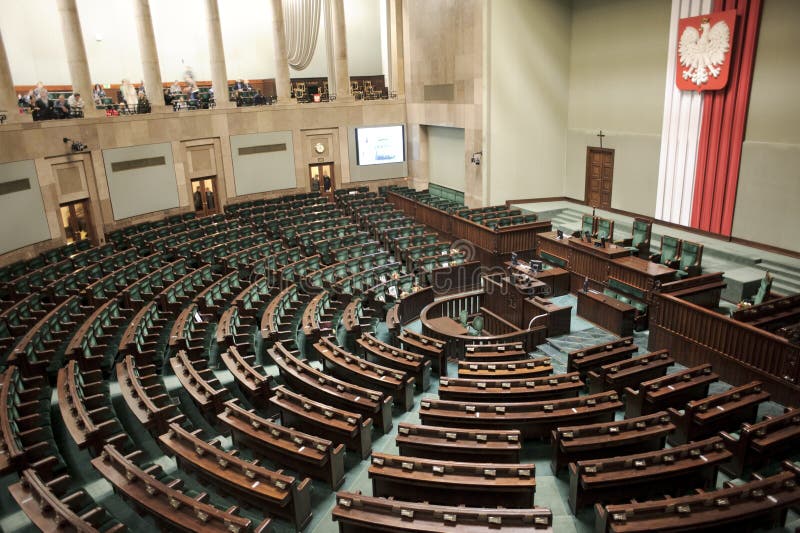
Readers interested in the official status of the Institute and future parliamentary filings regarding its oversight can monitor the official portal of the Sejm, where records of committee sessions and legislative updates are published. We will continue to track these developments as they unfold, providing analysis on how this political maneuvering impacts the broader economic and institutional stability of the region.
What are your thoughts on the role of state-funded historical institutions in modern democracy? Does a change in government necessitate a change in leadership for non-partisan agencies? We invite you to share your perspective in the comments below.
Keep reading