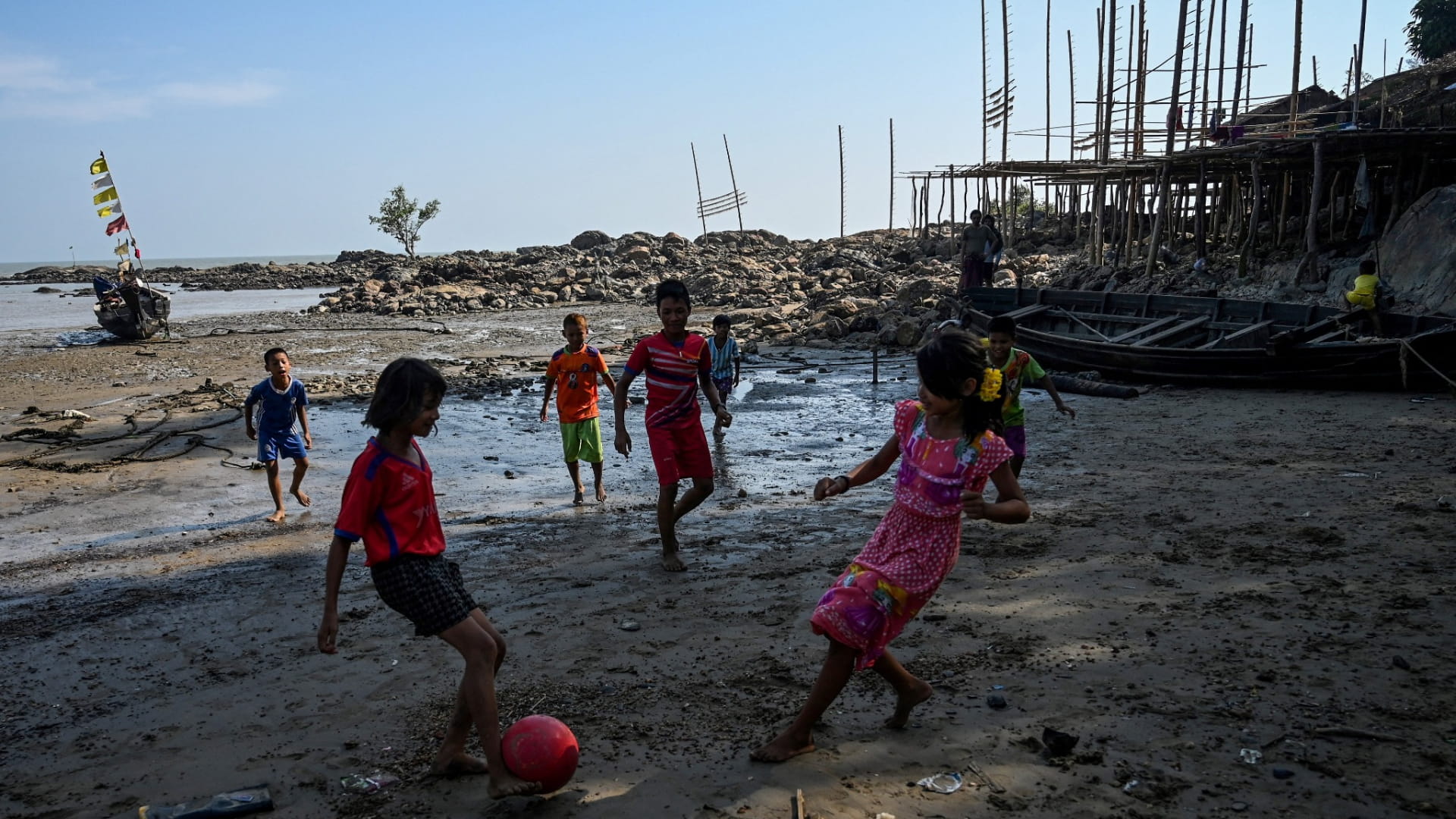
More than 1.1 billion children worldwide are currently living in countries classified as being at “extremely high risk” from the impacts of climate change, according to data from the United Nations Children’s Fund (UNICEF). These children face a compounding crisis where extreme heatwaves and severe drought conditions intersect with a lack of essential services, threatening their health, nutrition, and future development.
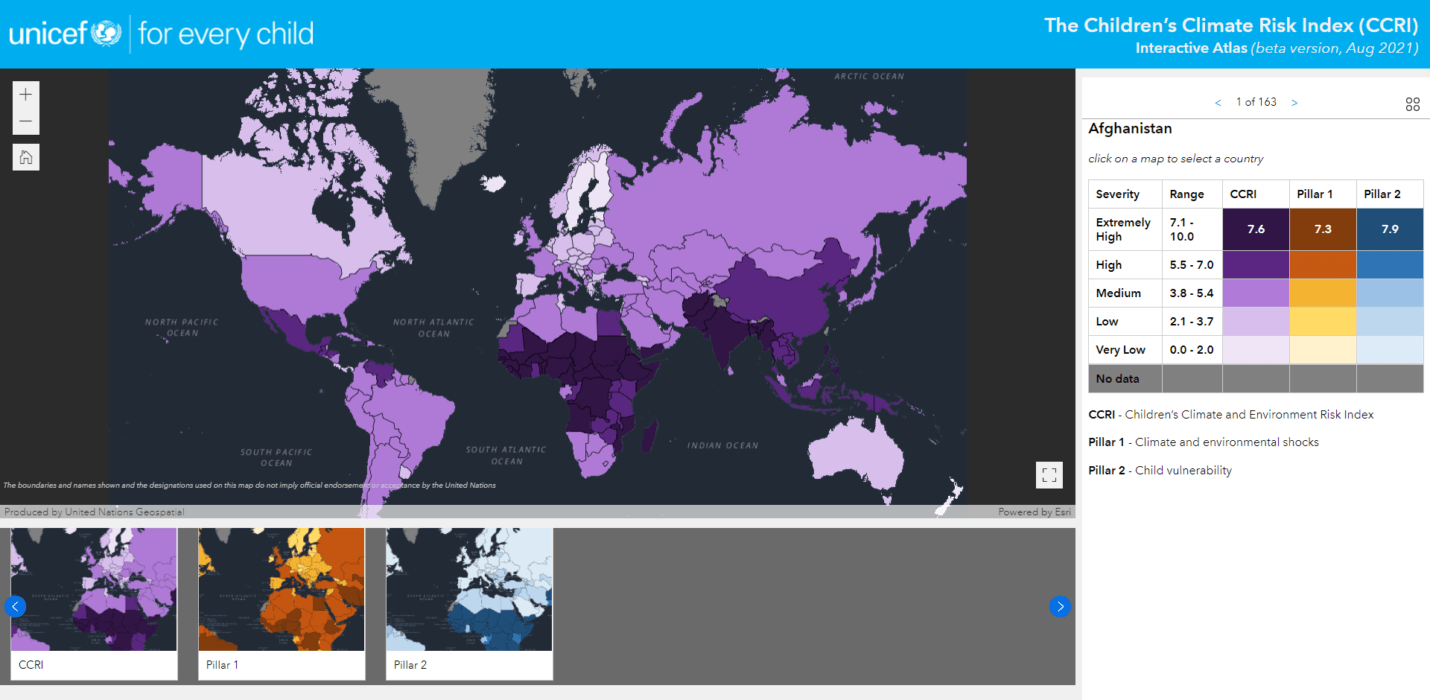
As the Editor of the World section at World Today Journal, I have tracked the escalating intersection of environmental shifts and human rights for over a decade. The current data underscores a critical vulnerability: children are disproportionately affected by environmental degradation because they are physically and physiologically more susceptible to toxins, disease, and extreme weather events than adults. The UNICEF Children’s Climate Risk Index serves as the primary framework for understanding these overlapping threats, quantifying how many children live in areas where multiple climate-related hazards—such as heat, water scarcity, and pollution—converge.
The Triple Threat of Environmental Instability
The concept of a “triple threat” refers to the simultaneous exposure of children to three distinct climate-related challenges: extreme weather, environmental degradation, and the depletion of essential social services. According to reports from UNICEF, nearly every child on Earth is currently exposed to at least one major climate or environmental hazard. The situation becomes critical when these hazards overlap with high levels of poverty or fragile infrastructure.
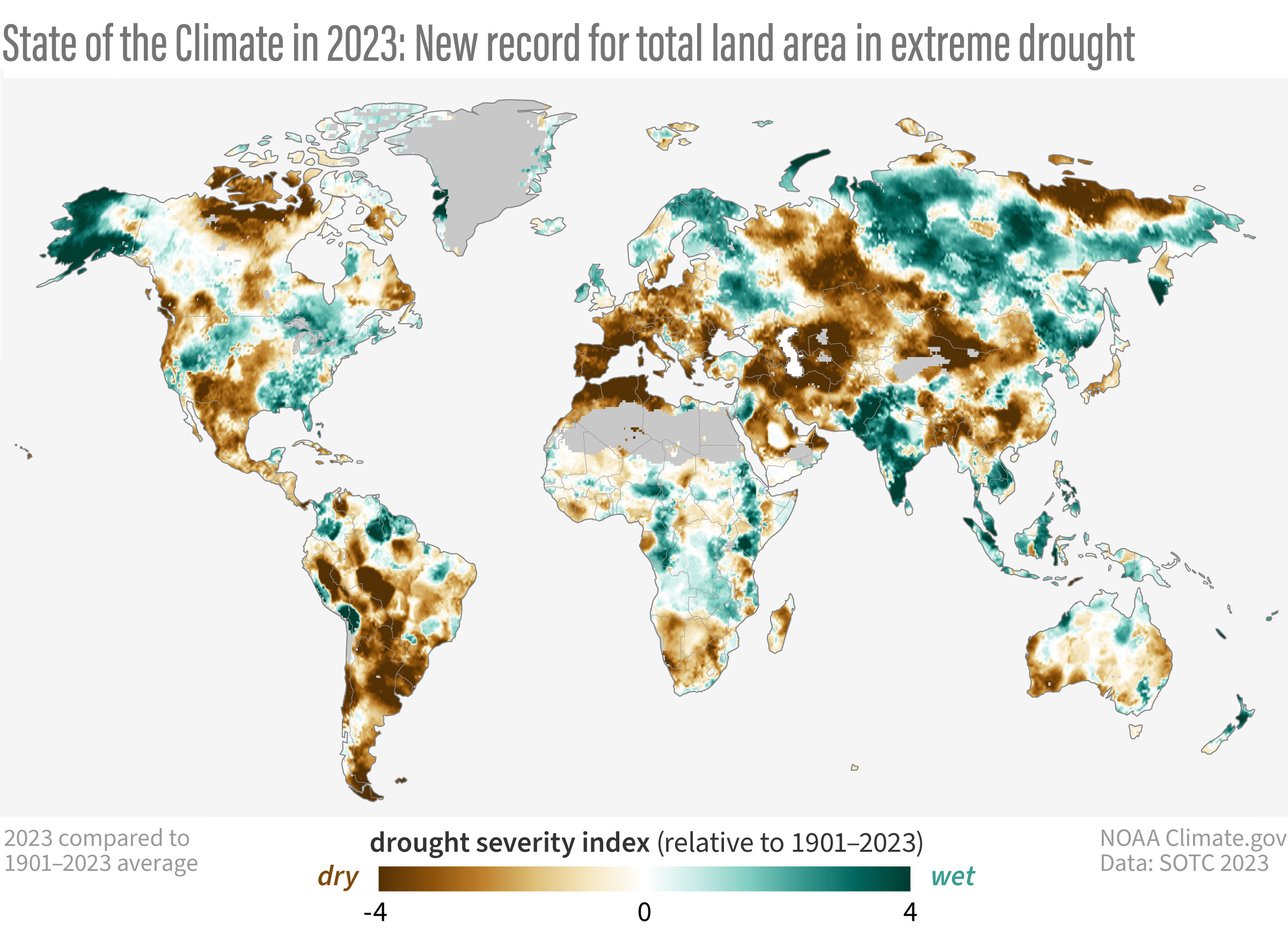
In regions where drought and extreme heat are persistent, the agricultural output often collapses, leading to food insecurity. Children in these areas are at an increased risk of malnutrition, which can have lifelong impacts on cognitive and physical growth. Furthermore, the lack of clean water—often exacerbated by drought—increases the prevalence of water-borne diseases, which remain a leading cause of mortality among children under the age of five worldwide, as documented by the World Health Organization.
Geographic Vulnerability and Regional Disparities
The impact of climate change is not distributed equally. Children in low- and middle-income countries, particularly in parts of Sub-Saharan Africa and South Asia, bear the brunt of these environmental shifts despite contributing the least to global carbon emissions. The UNICEF data highlights that in countries with the highest risk profiles, children are frequently subjected to “climate shocks” that disrupt schooling and access to healthcare.
In many of these regions, the infrastructure is insufficient to withstand extreme heat or prolonged drought. When schools close due to heatwaves or when families are forced to migrate due to water scarcity, children lose access to the very systems designed to protect their rights. This displacement often leads to an increase in child labor, early marriage, and interrupted education, creating a cycle of vulnerability that spans generations.
Policy Responses and Institutional Challenges
International efforts to mitigate these risks have centered on the integration of child-focused policies into national climate adaptation plans. However, the UNICEF analysis suggests that a significant gap remains between policy commitments and the actual allocation of climate financing for child-sensitive programs. While global summits like COP28 have increasingly addressed the impact of climate change on health, children remain underrepresented in the design of long-term environmental strategies.
The scientific consensus, as reflected in reports by the Intergovernmental Panel on Climate Change (IPCC), emphasizes that rapid decarbonization is the only way to prevent the most severe outcomes for future generations. For children living in high-risk zones, however, “adaptation” is not a future goal but an immediate necessity. This includes investing in heat-resistant school infrastructure, early warning systems for extreme weather, and reliable, climate-resilient water and sanitation services.
What Happens Next?
The international community is expected to revisit these figures during the upcoming climate negotiations and follow-up sessions on the Sustainable Development Goals (SDGs), specifically Goal 13, which calls for urgent action to combat climate change and its impacts. For policymakers, the focus is shifting toward “child-responsive” climate finance, which aims to ensure that funds intended for climate adaptation are specifically earmarked for sectors that directly affect child survival and development.
As the climate continues to change, the monitoring of these 1.1 billion children will remain a central pillar of humanitarian reporting. The next major update on global climate risks is expected to coincide with the next session of the UN Climate Change Conference, where advocates will continue to push for the inclusion of child-specific indicators in national climate reports. We welcome your thoughts on how international policy can better protect these vulnerable populations; please share your perspective in the comments section below.