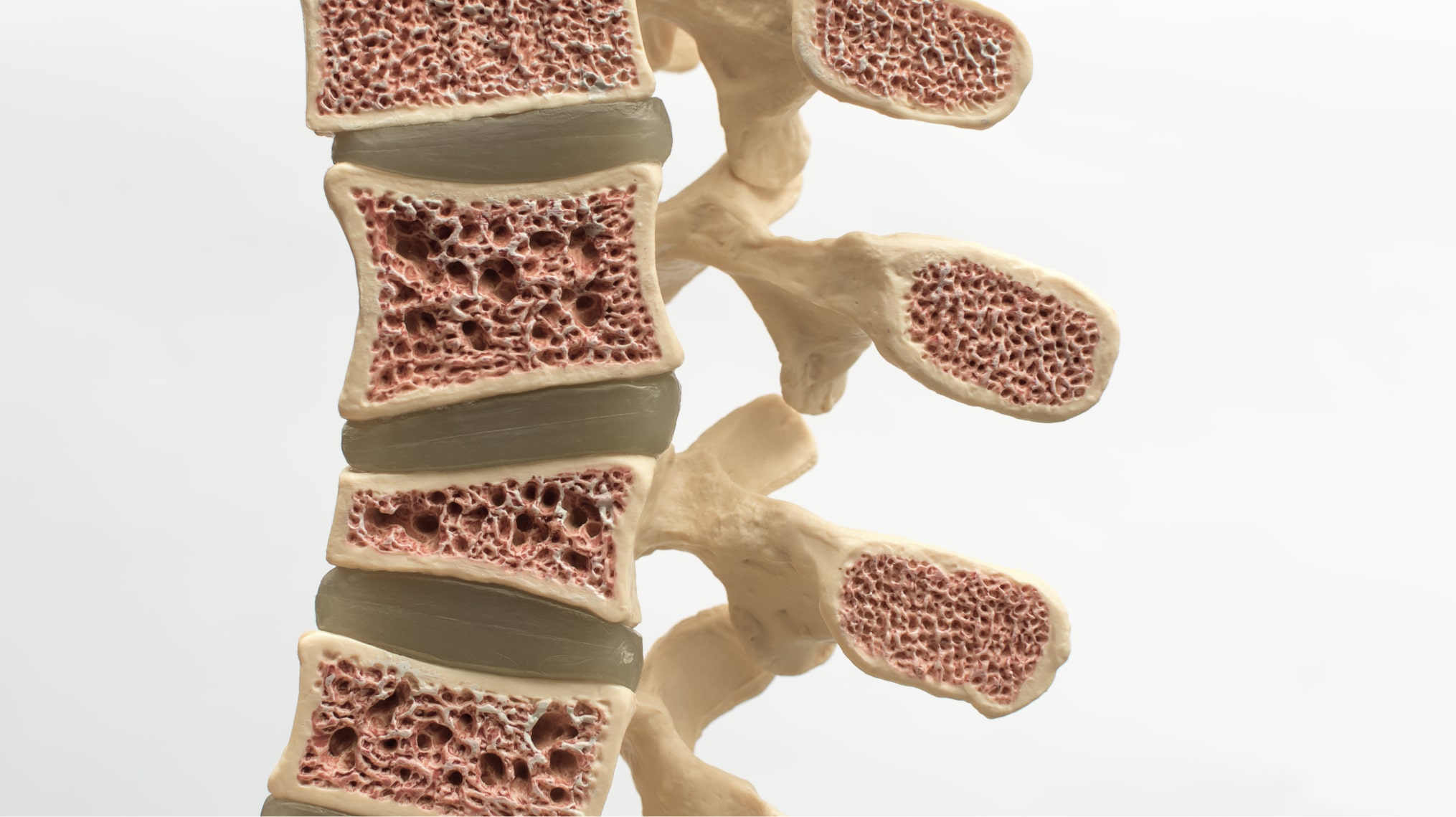
The fight against osteoporosis, a condition affecting millions worldwide, may have a surprising new ally: colchicine. Traditionally used to manage gout, this readily available and affordable medication is showing promise in bolstering bone health by addressing a critical factor in bone weakening – the accumulation of fat within the bone marrow. A recent study from the Musculoskeletal Pathology group at the Instituto de Investigación Sanitaria de Santiago (IDIS) in Spain, published in the journal Pharmaceutics, details how colchicine can counteract this “adiposity” and potentially reshape osteoporosis treatment.
Osteoporosis, characterized by decreased bone density and increased fracture risk, is a significant public health concern, particularly as global populations age. Current treatments often focus on slowing bone loss or increasing bone formation, but few directly address the underlying issue of fat accumulation in the bone marrow. This accumulation disrupts the normal bone remodeling process, reducing bone strength and increasing fragility. The IDIS study suggests colchicine offers a novel approach by directly influencing the cells responsible for this imbalance.
Colchicine’s Unexpected Role in Bone Health
The research, led by Rodolfo Gómez, centers on the behavior of mesenchymal stem cells (MSCs) within the bone marrow. These cells have the potential to develop into either osteoblasts – bone-forming cells – or adipocytes – fat cells. In a healthy bone, there’s a balance between these two cell types. However, in osteoporosis and other bone disorders, this balance shifts, with more MSCs differentiating into adipocytes, leading to increased fat accumulation and weaker bones. The study demonstrated that colchicine can effectively nudge these MSCs towards becoming osteoblasts rather than adipocytes, promoting bone formation and improving bone density. This is a significant finding, as it targets the root cause of bone weakening in a way that existing therapies often do not.
“The team coordinated by Rodolfo Gómez confirmed that this drug acts directly on mesenchymal stem cells, forcing them to become bone-forming cells (osteoblasts) instead of fat cells (adipocytes),” according to reporting from El Correo Gallego. The researchers found that even low and temporary doses of colchicine were sufficient to inhibit the formation of adipose tissue within the bone structure, while maintaining a favorable safety profile for patients.
Accessibility and Affordability: A Key Advantage
One of the most compelling aspects of this discovery is the accessibility and affordability of colchicine. Currently prescribed for the prevention and treatment of gout, a painful inflammatory condition caused by uric acid crystal buildup, colchicine is a widely available and inexpensive medication. “Colchicine is already used daily in thousands of patients with gout and its safety profile, at low doses, is good,” explained Gómez in reporting by El Nacional. This existing infrastructure and low cost could facilitate a rapid transition to new clinical protocols, making a potentially effective osteoporosis treatment available to a broader population.
The potential for repurposing existing drugs, like colchicine, is gaining traction in the medical community as a faster and more cost-effective approach to developing new treatments. Traditional drug development is a lengthy and expensive process, often taking years and billions of dollars to bring a new medication to market. Repurposing, leverages the known safety profile and existing manufacturing processes of established drugs, significantly reducing both time and cost. For a global population grappling with an aging demographic and the increasing prevalence of osteoporosis, this approach offers a particularly attractive solution.
How Colchicine Works at the Cellular Level
The IDIS study delved into the mechanisms by which colchicine exerts its effects on MSCs. Researchers discovered that the drug alters the metabolism of microtubules, essential components of the cell’s internal structure, and influences the differentiation process of MSCs. Specifically, colchicine appears to inhibit adipogenesis – the formation of fat cells – by disrupting the microtubule network. This disruption, as detailed in the Pharmaceutics publication, impacts the delicate balance between osteoblast and adipocyte development, favoring bone formation. “The therapeutic clinical concentrations of colchicine significantly inhibited adipogenesis, even after a single and transient stimulation,” the study authors noted.
This finding suggests that targeting the microtubule network could be a promising strategy for regulating bone health. Microtubules play a crucial role in various cellular processes, including cell division, cell shape, and intracellular transport. By manipulating microtubule dynamics, it may be possible to control the fate of MSCs and promote bone regeneration. Further research is needed to fully elucidate the complex interplay between colchicine, microtubules, and bone metabolism.
Next Steps and Future Research
While the in vitro results are encouraging, the researchers emphasize that these observations require validation in more complex preclinical systems. In vitro studies are conducted in a controlled laboratory environment, using cells grown in culture dishes. The next step involves testing colchicine in animal models to assess its efficacy and safety in a more realistic biological setting. These preclinical studies will support determine the optimal dosage, delivery method, and potential side effects of colchicine for osteoporosis treatment.
The IDIS team is also planning to investigate the long-term effects of colchicine on bone health and to explore its potential in combination with other osteoporosis medications. Understanding how colchicine interacts with existing therapies could lead to more effective and personalized treatment strategies. The ultimate goal is to translate these findings into clinical trials, where the efficacy and safety of colchicine can be evaluated in human patients with osteoporosis.
The work of the Musculoskeletal Pathology group at IDIS builds on previous research exploring strategies based on colchicine to combat excessive bone adiposity. This latest study, published on March 9, 2026, represents a significant step forward in understanding the potential of this readily available drug to address a major unmet need in osteoporosis care.
As the global population continues to age, the burden of osteoporosis is expected to rise. Finding innovative and affordable treatments is crucial to improving the quality of life for millions of people at risk of fractures and disability. The research on colchicine offers a glimmer of hope, suggesting that a solution may already be within reach.
The next phase of research, involving preclinical studies in animal models, is expected to commence in the coming months. Researchers will be closely monitoring the results, with the hope of initiating clinical trials within the next two to three years. Stay tuned to World Today Journal for further updates on this promising development in osteoporosis treatment.
What are your thoughts on the potential of repurposing existing drugs for new medical applications? Share your comments below, and please share this article with your network to raise awareness about this important research.
Related reading