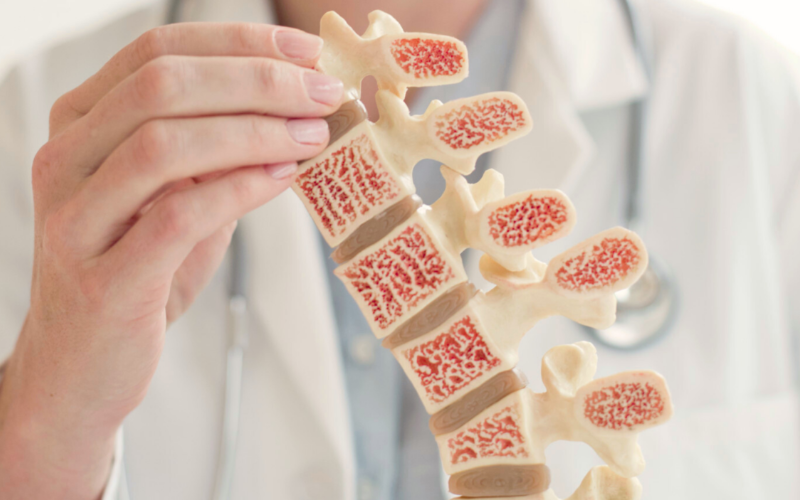
Santiago de Compostela, Spain – A promising new avenue for osteoporosis treatment has emerged from research conducted at the Instituto de Investigación Sanitaria de Santiago (IDIS), suggesting that colchicine, a long-standing medication for gout, may hold the key to combating bone fragility. The study, published in the peer-reviewed journal Pharmaceutics, reveals that colchicine demonstrates the ability to counteract adiposity within bone marrow – a critical process that weakens bone structure and increases fracture risk. This discovery offers a potentially accessible and affordable solution for a condition affecting millions worldwide.
Osteoporosis, characterized by decreased bone density, is a major public health concern, particularly among aging populations. According to the National Osteoporosis Foundation, approximately 10 million Americans have osteoporosis and 44 million have low bone density, increasing their risk. The National Osteoporosis Foundation provides comprehensive information on the disease, its prevention, and treatment options. The current standard of care often involves expensive and complex therapies, prompting researchers to explore alternative, cost-effective approaches.
Colchicine: From Gout Relief to Bone Health?
For centuries, colchicine has been used to prevent and treat gout, a painful inflammatory condition caused by uric acid crystal buildup in the joints. The drug works by reducing inflammation, but the IDIS research team, led by Rodolfo Gómez, has uncovered a surprising additional benefit. Their work demonstrates that colchicine can directly influence the behavior of mesenchymal stem cells within the bone marrow. These cells are crucial, as they have the potential to develop into either osteoblasts – cells that form new bone – or adipocytes – cells that store fat.
“With the passage of time or due to pathologies, the interior of the bone accumulates fat instead of firm tissue, which reduces density and elevates the risk of fractures,” explains the IDIS in a press release. The research team found that colchicine effectively nudges these mesenchymal stem cells towards becoming osteoblasts, promoting bone formation rather than fat accumulation. This shift is particularly significant as increased bone marrow adiposity is strongly linked to reduced bone density and an increased risk of osteoporosis-related fractures.
How Colchicine Impacts Bone Marrow Adiposity
The study, conducted in vitro (in a laboratory setting), showed that even low and transient doses of colchicine were sufficient to inhibit the formation of adipose tissue within the bone structure whereas maintaining a favorable safety profile. This is a crucial finding, as colchicine does have potential side effects, including gastrointestinal issues, at higher doses. The research suggests that carefully calibrated, lower doses could provide therapeutic benefits without unacceptable risks. The team’s findings reveal, for the first time, that colchicine, at clinically relevant concentrations, can suppress fat formation inside the bone and encourage the generation of new bone tissue.
Mesenchymal stem cells are multipotent stromal cells that can differentiate into a variety of cell types, including osteoblasts, chondrocytes (cartilage cells), and adipocytes. The balance between osteoblast and adipocyte differentiation is tightly regulated, and disruptions in this balance can contribute to the development of osteoporosis. The National Center for Biotechnology Information provides detailed information on the role of mesenchymal stem cells in bone metabolism.
Accessibility and Affordability: A Key Advantage
One of the most compelling aspects of this research is the potential for widespread accessibility. As Gómez emphasizes, colchicine is a relatively inexpensive and readily available medication already used daily by a large number of patients. “This facilitates its transition toward new clinical protocols,” he stated. The cost of existing osteoporosis treatments can be a significant barrier for many patients, making colchicine a potentially game-changing option, particularly in resource-limited settings.
The European Press reported on March 9, 2026, that the IDIS group published the study detailing advancements in the treatment of bone disorders, including osteoporosis. This highlights the growing interest in finding innovative and affordable solutions to address this widespread health challenge.
Next Steps and Future Research
While these initial findings are encouraging, the researchers caution that further investigation is needed. The current study was conducted in vitro, and the results must be validated in more complex pre-clinical models – such as animal studies – before clinical trials in humans can begin. These pre-clinical studies will be crucial to assess the long-term safety and efficacy of colchicine as an osteoporosis treatment.
The IDIS team is now focused on conducting these pre-clinical studies and exploring the optimal dosage and administration routes for colchicine in the context of bone health. They are also investigating the underlying mechanisms by which colchicine influences mesenchymal stem cell differentiation, which could lead to the development of even more targeted and effective therapies. The team hopes to initiate clinical trials within the next few years, pending successful pre-clinical results and regulatory approval.
Understanding Bone Marrow Adiposity
Bone marrow adiposity (BMA) is the accumulation of fat within the bone marrow cavity. While some BMA is normal, excessive accumulation is associated with decreased bone mineral density and an increased risk of fractures. BMA can be influenced by a variety of factors, including age, genetics, hormonal changes, and lifestyle factors such as diet and exercise. Researchers are increasingly recognizing BMA as a key therapeutic target in the fight against osteoporosis.
Potential Implications for Public Health
If colchicine proves effective in clinical trials, it could significantly impact the management of osteoporosis and related fractures. The drug’s affordability and accessibility could make it a viable option for a wider range of patients, particularly those who cannot afford or tolerate existing treatments. The discovery of colchicine’s bone-protective effects could lead to the development of new strategies for preventing osteoporosis in high-risk populations.
The potential benefits extend beyond osteoporosis. Given the role of mesenchymal stem cells in tissue regeneration, colchicine may also have applications in the treatment of other bone-related conditions, such as fractures and osteoarthritis. Further research is needed to explore these possibilities.
The IDIS research represents a significant step forward in our understanding of bone metabolism and the potential for repurposing existing drugs to address unmet medical needs. The coming years will be critical as researchers work to translate these promising laboratory findings into effective treatments for osteoporosis and other bone disorders.
The next step for the IDIS team is to secure funding for and conduct the necessary pre-clinical trials. Updates on their progress can be found on the IDIS Santiago website: https://www.idisantiago.es/en/. We encourage readers to share this article and engage in the conversation about innovative approaches to bone health.
Keep reading