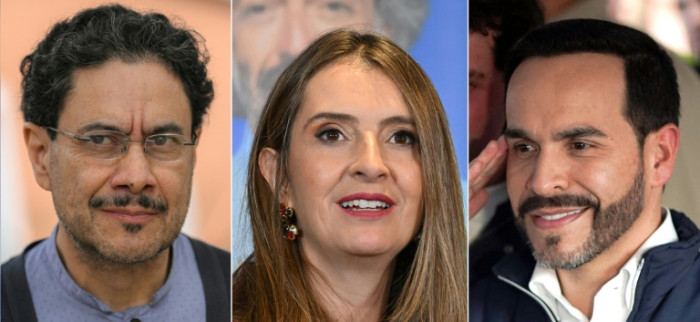
Colombia holds its presidential election today, Sunday, May 31, 2026, in a pivotal contest that will shape the nation’s trajectory regarding internal security, the future of its peace policies, and its strategic alignment on the global stage. As voters head to the polls, the election is widely characterized as a referendum on the administration of outgoing President Gustavo Petro, whose term has been defined by his ambitious, albeit contentious, “total peace” agenda.
With polls open from 08:00 to 16:00 local time, the electorate is tasked with choosing a successor from a field of 14 candidates. While the ballot is crowded, political analysts and observers suggest the race has effectively narrowed to a three-way competition. The outcome of this high-stakes vote will determine whether Colombia continues its current path of seeking negotiated settlements with armed insurgent groups or pivots toward a more hardline, security-focused approach to combat spiraling violence linked to drug trafficking and organized crime.
A Referendum on “Total Peace”
At the center of the political discourse is the legacy of President Petro, Colombia’s first left-wing president. His administration’s flagship policy, “total peace,” aimed to bring a definitive end to the decades-long armed conflict by pursuing dialogue with various guerrilla groups and criminal organizations that remained active after the 2016 peace deal with the Revolutionary Armed Forces of Colombia (FARC). However, the policy has faced significant criticism as talks have frequently stalled or collapsed, and recent years have seen a resurgence in violence, including the use of car bombs and attack drones by criminal actors.
The International Committee of the Red Cross (ICRC) has noted in recent reporting that the intensity of armed conflict in Colombia reached a level that significantly impacted civilian populations, marking a difficult period in the decade following the landmark 2016 agreement. For many voters, the central question is whether the state should double down on diplomatic engagement or adopt a more combative stance to address the complex network of drug-running guerrillas, illegal miners, and extortionists that continue to operate in various regions of the country.
The Candidates and the Political Divide
The election has become a focal point for the deep ideological divisions within the country. Senator Iván Cepeda, a key figure in the current administration and an architect of the 2016 peace process, has campaigned on a platform of continuing the policies initiated by President Petro. His supporters point to economic improvements during the current term, including a reduction in unemployment and increases in the minimum wage, as evidence of the administration’s efficacy.

Conversely, the opposition is led by figures advocating for a sharp change in direction. Right-wing political outsider Abelardo de la Espriella and conservative Senator Paloma Valencia have emerged as the primary challengers to the status quo. Their campaigns have emphasized the need for a more robust security policy, criticizing the current administration’s handling of criminal groups and arguing that the “total peace” strategy has allowed insurgent factions to strengthen their positions under the cover of negotiations.
What Happens Next
As the country awaits the results, the electoral process is governed by clear procedural milestones. Given the fragmented nature of the field, it is widely expected that no single candidate will secure an outright majority in this first round of voting. Under Colombian electoral law, if no candidate reaches the required threshold, a run-off election between the two leading candidates is scheduled to take place on June 21, 2026.
The international community, particularly the United States, is monitoring the situation closely. Relations between the Petro administration and the current U.S. Leadership have been marked by public disagreement over regional intervention and drug trafficking policies. The eventual winner will inherit a complex geopolitical landscape, necessitating a delicate balance between domestic security requirements and international diplomatic obligations.

For voters and international observers alike, the coming weeks will be critical. The next confirmed checkpoint in this electoral cycle is the anticipated run-off vote on June 21, provided that no candidate emerges victorious in the initial count. We encourage our readers to follow our ongoing coverage as the final results are tabulated and the path for the next administration becomes clear.
How do you view the future of security policy in Colombia? Share your thoughts and join the discussion in the comments section below.