
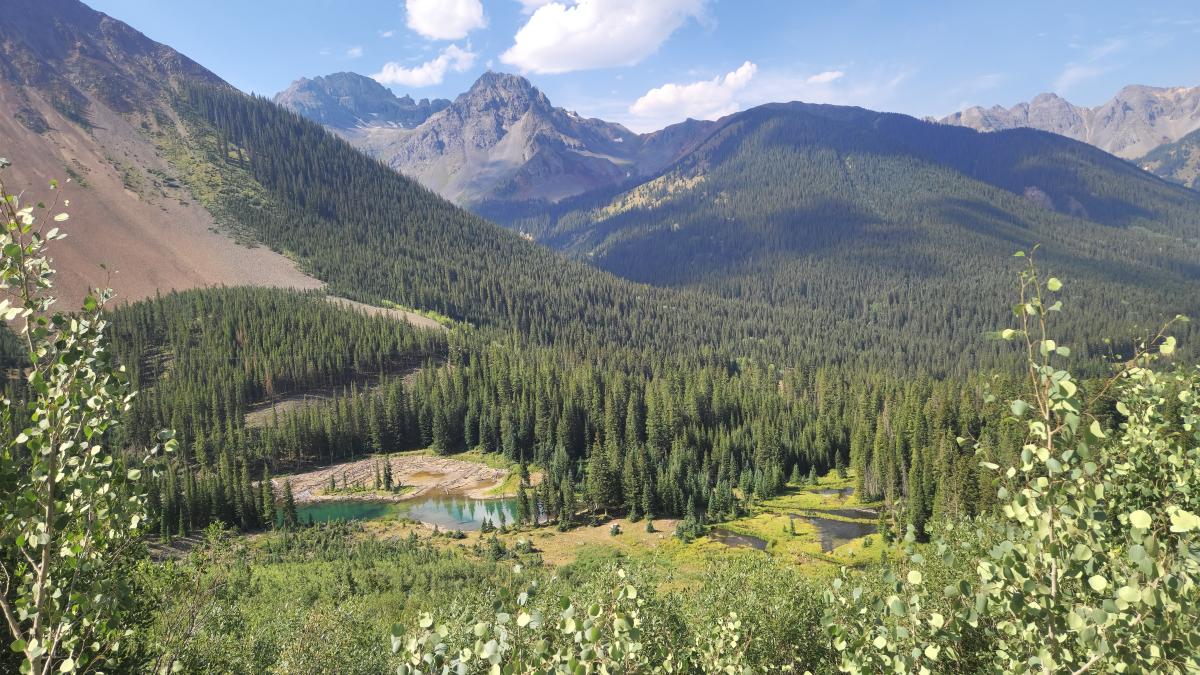
The Lasting Legacy of Colorado’s Gold Rush: A Modern Road Trip Through America’s Historic Mining Towns
In the rugged heart of the Rocky Mountains, Colorado’s storied past as the epicenter of America’s 19th-century gold rush still whispers through the abandoned mines, weathered wooden storefronts, and dusty mountain passes of its historic mining towns. What remains of that frenzied era—a time when prospectors flocked to the region in search of fortune, only to exit behind ghost towns and half-forgotten dreams—is more than just relics of a bygone age. Today, these towns offer travelers a rare glimpse into the raw ambition, resilience, and often harsh realities that shaped the American West. For those willing to venture off the beaten path, a road trip through Colorado’s mining country is not just a journey through scenic landscapes, but a step back in time, where the echoes of pickaxes and the clatter of ore carts still linger in the crisp mountain air.

This is not merely a trip for history buffs. Colorado’s mining towns have evolved into vibrant hubs of culture, adventure, and even modern-day treasure hunting. From the still-active gold mines of Central City, where visitors can try their hand at panning for gold, to the meticulously preserved Victorian architecture of Leadville, the highest incorporated city in North America, these destinations offer a unique blend of past and present. Along the way, travelers can explore underground mine tours, sample craft beers brewed with glacial water, and even stay in historic hotels that once hosted legendary figures like Horace Tabor and Baby Doe. But the real allure lies in the stories—tales of boom and bust, of fortunes won and lost, and of the communities that endured long after the gold ran dry.
For those planning such a journey, the route is as much about the journey as the destinations themselves. Winding roads like the Million Dollar Highway, a stretch of U.S. Route 550 that snakes through the San Juan Mountains, offer breathtaking views of jagged peaks and deep canyons, although small-town diners and roadside museums provide a taste of the local flavor. Whether you’re a history enthusiast, an outdoor adventurer, or simply a traveler in search of the road less traveled, Colorado’s mining towns promise an experience that is equal parts educational, exhilarating, and deeply human.
The Gold Rush That Shaped Colorado
The story of Colorado’s gold rush begins in 1858, when a group of prospectors led by William Green Russell discovered gold near the confluence of Dry Creek and the South Platte River, in what is now the Denver metropolitan area. The discovery sparked a frenzy that would draw tens of thousands of fortune seekers to the region over the next decade. Unlike the California gold rush, which had peaked a decade earlier, Colorado’s rush was more decentralized, with discoveries occurring in remote mountain valleys and along narrow creeks. By 1859, prospectors had fanned out across the Rockies, establishing makeshift mining camps that would later grow into some of the state’s most iconic towns.
One of the most significant discoveries came in 1860, when John Gregory struck gold in a narrow gulch near present-day Central City. The find, later known as the Gregory Lode, set off a stampede that transformed the area into one of the richest mining districts in the West. Within months, Central City and its neighbor, Black Hawk, became bustling hubs of activity, complete with saloons, theaters, and even an opera house. At its peak, Central City produced over $100 million worth of gold (equivalent to roughly $3 billion today), earning it the nickname “The Richest Square Mile on Earth.”
But the gold rush was not without its darker side. The rapid influx of prospectors led to conflicts with the Ute, Cheyenne, and Arapaho tribes, who had long inhabited the region. Treaties were broken, and violent clashes, such as the Bear River Massacre and the Sand Creek Massacre, left deep scars on the land and its people. Meanwhile, the boom-and-bust nature of mining meant that many towns flourished briefly before being abandoned when the gold ran out. By the 1880s, as the easily accessible placer deposits were exhausted, many prospectors moved on, leaving behind ghost towns like Ashcroft and Breckenridge’s abandoned mining camps, which still stand as silent testaments to the transient nature of the rush.
A Modern Road Trip: Tracing the Gold Rush Trail
For travelers looking to explore Colorado’s mining heritage, a well-planned road trip can take you through some of the state’s most historic—and still vibrant—towns. Below is a suggested itinerary that balances history, adventure, and scenic beauty, beginning in Denver and looping through the heart of the Rockies.
1. Denver: The Gateway to the Gold Rush
Your journey begins in Denver, the city that owes its existence to the gold rush. While Denver itself was not a major mining center, it served as the supply hub for prospectors heading into the mountains. Today, the History Colorado Center offers an excellent introduction to the state’s mining history, with exhibits on the gold rush, the displacement of Native American tribes, and the development of Colorado’s early economy. For a taste of the city’s Wild West past, visit Buckhorn Exchange, Denver’s oldest steakhouse, which has been serving miners, cowboys, and railroad workers since 1893.
2. Central City and Black Hawk: The Richest Square Mile on Earth
From Denver, head west on I-70 toward Central City and Black Hawk, two towns that were at the epicenter of the gold rush. Today, these towns are best known for their casinos, which were legalized in the 1990s as a way to revitalize their struggling economies. But beneath the neon lights and slot machines, the towns’ mining heritage is still very much alive. In Central City, the Central City Opera House, built in 1878, is one of the oldest in the country and still hosts performances during the summer. Nearby, the Hidee Gold Mine Tour offers visitors the chance to don hard hats and descend into a real gold mine, where they can try their hand at panning for gold.
Just a few miles down the road, Black Hawk is home to the Gilpin History Museum, which chronicles the town’s mining past through photographs, artifacts, and interactive exhibits. For those interested in the darker side of the gold rush, the museum similarly covers the town’s role in the Colorado Labor Wars, a series of violent conflicts between miners and mine owners in the early 20th century.
3. Idaho Springs: Where It All Began
Continuing west on I-70, you’ll reach Idaho Springs, the site of the first major gold discovery in Colorado. Today, the town is a popular stop for travelers looking to soak in the Indian Hot Springs, a geothermal spa that has been in operation since 1860. But for history enthusiasts, the real draw is the Argo Mill and Tunnel, a historic gold-processing mill that offers guided tours through its underground tunnels. The mill, which operated from 1893 to 1943, processed over $100 million worth of gold ore during its lifetime, and visitors can still notice the original equipment used to crush and extract the precious metal.
4. Leadville: The Cloud City
From Idaho Springs, take Highway 9 south to Leadville, the highest incorporated city in North America at 10,152 feet above sea level. Leadville was one of the last great mining boomtowns, with silver discoveries in the 1870s drawing thousands of prospectors to the area. At its peak, Leadville was home to over 30,000 people and boasted more millionaires per capita than any other city in the world. Today, the town’s historic district is a National Historic Landmark, with over 70 square blocks of Victorian-era buildings, including the Healy House Museum and the Deer Valley Museum, which offer a glimpse into the lives of the town’s early residents.
For those interested in the technical side of mining, the National Mining Hall of Fame and Museum is a must-visit. The museum features exhibits on the history of mining in Colorado and around the world, as well as a replica of an underground mine that visitors can explore. Outside of town, the Leadville National Fish Hatchery offers a unique look at the environmental legacy of mining, with exhibits on the impact of acid mine drainage on local waterways.
5. Breckenridge: From Mining Camp to Ski Resort
From Leadville, head north on Highway 9 to Breckenridge, a town that has successfully reinvented itself from a gold rush boomtown to one of Colorado’s most popular ski resorts. Founded in 1859, Breckenridge was one of the first mining camps in the state, and its historic district is home to over 200 buildings from the late 19th century, including the Breckenridge Welcome Center, which offers guided walking tours of the town’s mining past. For a hands-on experience, the Country Boy Mine offers guided tours of an authentic gold mine, complete with the opportunity to pan for gold and see the original equipment used by miners.
While Breckenridge is best known today for its world-class skiing, the town’s mining history is never far from the surface. The Washington Mine Tour takes visitors deep into the mountains to explore one of the last remaining gold mines in the area, while the Boreas Pass Road, a historic railroad grade, offers stunning views of the surrounding peaks and a glimpse into the town’s transportation history.
6. Cripple Creek: The Last Great Gold Rush
From Breckenridge, take Highway 24 south to Cripple Creek, a town that experienced a late but dramatic resurgence in the 1890s with the discovery of gold in the nearby mountains. At its peak, Cripple Creek was home to over 50,000 people and produced over $500 million worth of gold (equivalent to roughly $15 billion today). Today, the town is a mix of historic charm and modern-day tourism, with casinos, museums, and outdoor activities drawing visitors from around the world.
The Cripple Creek District Museum offers a comprehensive look at the town’s mining history, with exhibits on the gold rush, the lives of the miners, and the town’s role in the Colorado Labor Wars. For a more immersive experience, the Cripple Creek & Victor Narrow Gauge Railroad offers a scenic ride through the old mining district, while the Mollie Kathleen Gold Mine takes visitors 1,000 feet underground to explore a real gold mine.
The Legacy of the Gold Rush: More Than Just Gold
While the gold rush brought wealth and opportunity to Colorado, its legacy is far more complex than the glittering metal that drew prospectors to the region. The rush accelerated the displacement of Native American tribes, reshaped the state’s economy, and left behind a network of towns that continue to shape Colorado’s identity today. Many of these towns, once on the brink of becoming ghost towns, have found new life as tourist destinations, offering visitors a chance to step back in time and experience the raw, unfiltered history of the American West.
For modern-day travelers, the appeal of Colorado’s mining towns goes beyond history. These destinations offer a unique blend of adventure, culture, and natural beauty, from the underground mine tours of Central City to the scenic drives of Breckenridge. They also serve as a reminder of the resilience of the communities that endured long after the gold ran dry. In Leadville, for example, the town’s mining past is still visible in its historic buildings and museums, but its present is defined by its vibrant arts scene, outdoor recreation, and a strong sense of community.
Perhaps most importantly, these towns offer a lesson in sustainability. The gold rush was, by its very nature, a transient phenomenon, with boomtowns rising and falling in a matter of years. But the towns that survived did so by adapting—whether through tourism, agriculture, or, in the case of Black Hawk and Cripple Creek, legalized gambling. Today, as Colorado grapples with the challenges of climate change, economic inequality, and the pressures of rapid growth, the stories of its mining towns serve as a powerful reminder of the importance of resilience, innovation, and community.
Planning Your Road Trip: Practical Tips and Considerations
If you’re planning a road trip through Colorado’s mining towns, here are a few practical tips to keep in mind:
- Best Time to Visit: The summer and fall months (June through October) are ideal for road trips, with mild weather and clear roads. However, if you’re interested in skiing or other winter activities, Breckenridge and other mountain towns offer year-round appeal. Keep in mind that some attractions, such as mine tours, may have limited hours or be closed during the winter.
- Getting There: Denver International Airport is the most convenient entry point for most travelers. From there, renting a car is essential, as many of the towns are only accessible by road. Be prepared for winding mountain roads, some of which may be narrow or unpaved.
- Where to Stay: Many of the towns offer a mix of historic hotels, bed-and-breakfasts, and modern accommodations. In Central City, the Ameristar Casino Resort offers a blend of historic charm and modern amenities, while in Leadville, the Delaware Hotel is a beautifully restored Victorian-era hotel that has been in operation since 1886.
- What to Pack: Colorado’s mountain towns can experience rapid weather changes, so it’s important to pack layers, including a warm jacket, even in the summer. Sturdy shoes are a must for mine tours and hiking, and don’t forget sunscreen and a hat—high altitudes mean stronger UV rays.
- Safety Considerations: While most mine tours are safe and well-maintained, it’s important to follow all safety instructions and stay on designated paths. Some abandoned mines are not safe to enter, so it’s best to stick to guided tours. Be mindful of altitude sickness, especially in towns like Leadville, which sits at over 10,000 feet above sea level. Stay hydrated, take it easy, and consider spending a day or two in Denver or another lower-altitude town to acclimate before heading into the mountains.
Key Takeaways: Why Colorado’s Mining Towns Still Matter
- A Living History: Colorado’s mining towns offer more than just a glimpse into the past—they are living, breathing communities that have adapted to changing times while preserving their heritage. From the casinos of Black Hawk to the ski resorts of Breckenridge, these towns have found new ways to thrive.
- A Lesson in Resilience: The boom-and-bust nature of the gold rush serves as a powerful reminder of the importance of adaptability. Many of the towns that survived did so by diversifying their economies, whether through tourism, agriculture, or other industries.
- A Unique Travel Experience: For travelers, a road trip through Colorado’s mining towns offers a unique blend of history, adventure, and natural beauty. Whether you’re exploring underground mines, panning for gold, or simply soaking in the scenic views, these destinations promise an experience that is both educational and exhilarating.
- A Window into the American West: The gold rush was a defining chapter in the history of the American West, shaping everything from the region’s economy to its culture. By visiting these towns, travelers can gain a deeper understanding of the forces that shaped the West—and the people who called it home.
What’s Next for Colorado’s Mining Towns?
As Colorado continues to grow and evolve, its mining towns face both challenges and opportunities. On one hand, the rise of tourism has brought new life to many of these communities, providing jobs and economic stability. The pressures of rapid growth, climate change, and the require for sustainable development pose significant challenges. In Leadville, for example, efforts are underway to address the environmental legacy of mining, including the cleanup of abandoned mines and the restoration of local waterways. Meanwhile, in Breckenridge, the town is grappling with the impacts of overtourism, as visitors flock to its ski resorts and historic district.
Despite these challenges, the future of Colorado’s mining towns looks bright. With their rich history, stunning landscapes, and vibrant communities, these destinations are poised to remain popular travel destinations for years to come. For those planning a road trip through the state, a visit to these towns offers a chance to connect with the past while experiencing the best of what Colorado has to offer today.
As you plan your journey, remember that the real treasure of Colorado’s mining towns is not the gold that once drew prospectors to the region, but the stories, the people, and the landscapes that have endured long after the last nugget was pulled from the ground. Whether you’re a history buff, an outdoor enthusiast, or simply a traveler in search of adventure, these towns promise an experience that is as enriching as it is unforgettable.
Have you visited any of Colorado’s historic mining towns? Share your experiences and recommendations in the comments below, and don’t forget to share this article with fellow travelers and history enthusiasts!