Nissan Gravite 2026: Affordable 7-Seater MPV Confirmed for Global Markets
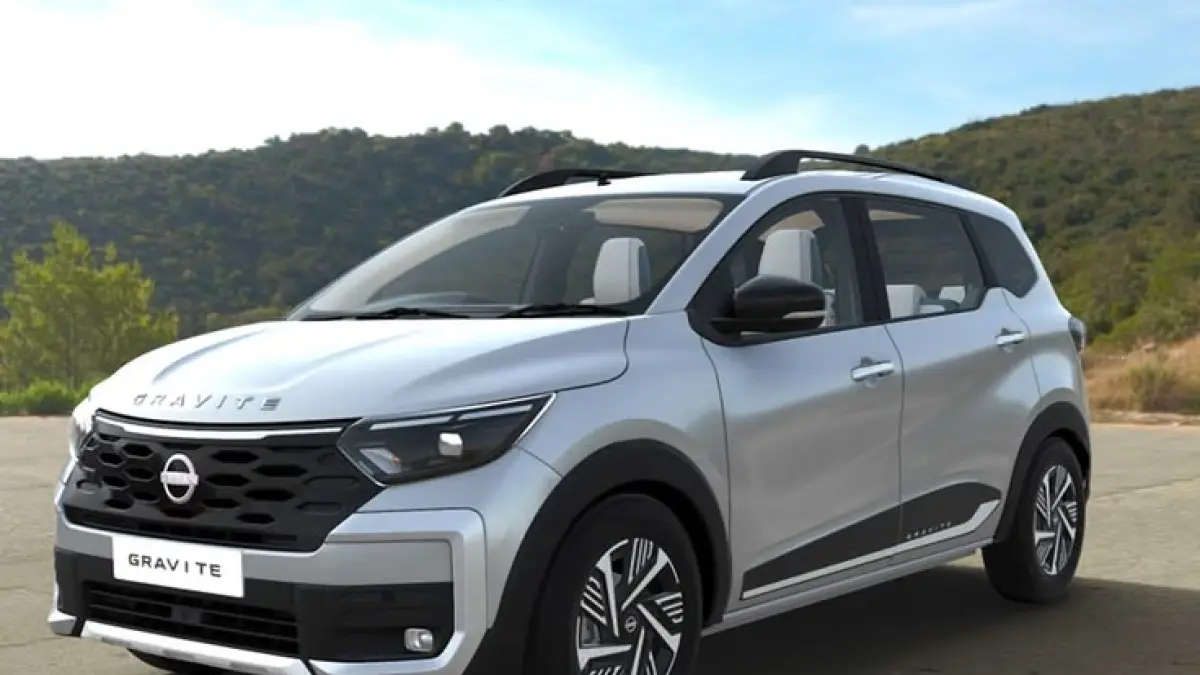
Nissan has officially confirmed the launch of its highly anticipated Gravite, a budget-friendly 7-seater multi-purpose vehicle (MPV) set to shake up the compact family car segment. The Gravite, based on the Renault Triber platform but with distinct Nissan design cues, is expected to debut in early 2026, offering a compelling alternative to established models like the Toyota Avanza and Daihatsu Sigra. With a focus on affordability, practicality and a bold SUV-inspired design, the Gravite aims to attract cost-conscious families and first-time car buyers in emerging markets.
The confirmation of the Gravite comes after months of speculation and leaked details about Nissan’s plans to expand its MPV lineup. While the vehicle shares its underpinnings with the Renault Triber—a strategy common in the Renault-Nissan-Mitsubishi Alliance—the Gravite promises unique styling, enhanced features, and competitive pricing. Industry analysts suggest the Gravite could redefine value in the compact MPV segment, particularly in markets like Indonesia, India, and Southeast Asia, where demand for affordable 7-seaters remains strong.
Nissan’s decision to enter this segment reflects a broader trend among automakers to cater to budget-conscious consumers without compromising on space or modern amenities. The Gravite is positioned as a “Low-MPV” (LMPV), a term increasingly used to describe compact, affordable vehicles that blend the practicality of an MPV with the rugged aesthetics of an SUV. With its confirmed launch, the Gravite is poised to challenge incumbents like the Toyota Avanza, Daihatsu Sigra, and even Renault’s own Triber, which has struggled to gain traction in some markets due to its conservative design.
Design and Platform: A Bold Departure from the Triber
The Nissan Gravite is built on the same CMF-A+ platform as the Renault Triber, a modular architecture designed for cost efficiency and flexibility. However, Nissan has given the Gravite a distinct identity with a more aggressive front fascia, sharper body lines, and SUV-inspired styling elements. The design language aligns with Nissan’s global “V-motion” grille, which has become a signature feature across its lineup, from the Kicks to the Ariya electric SUV.
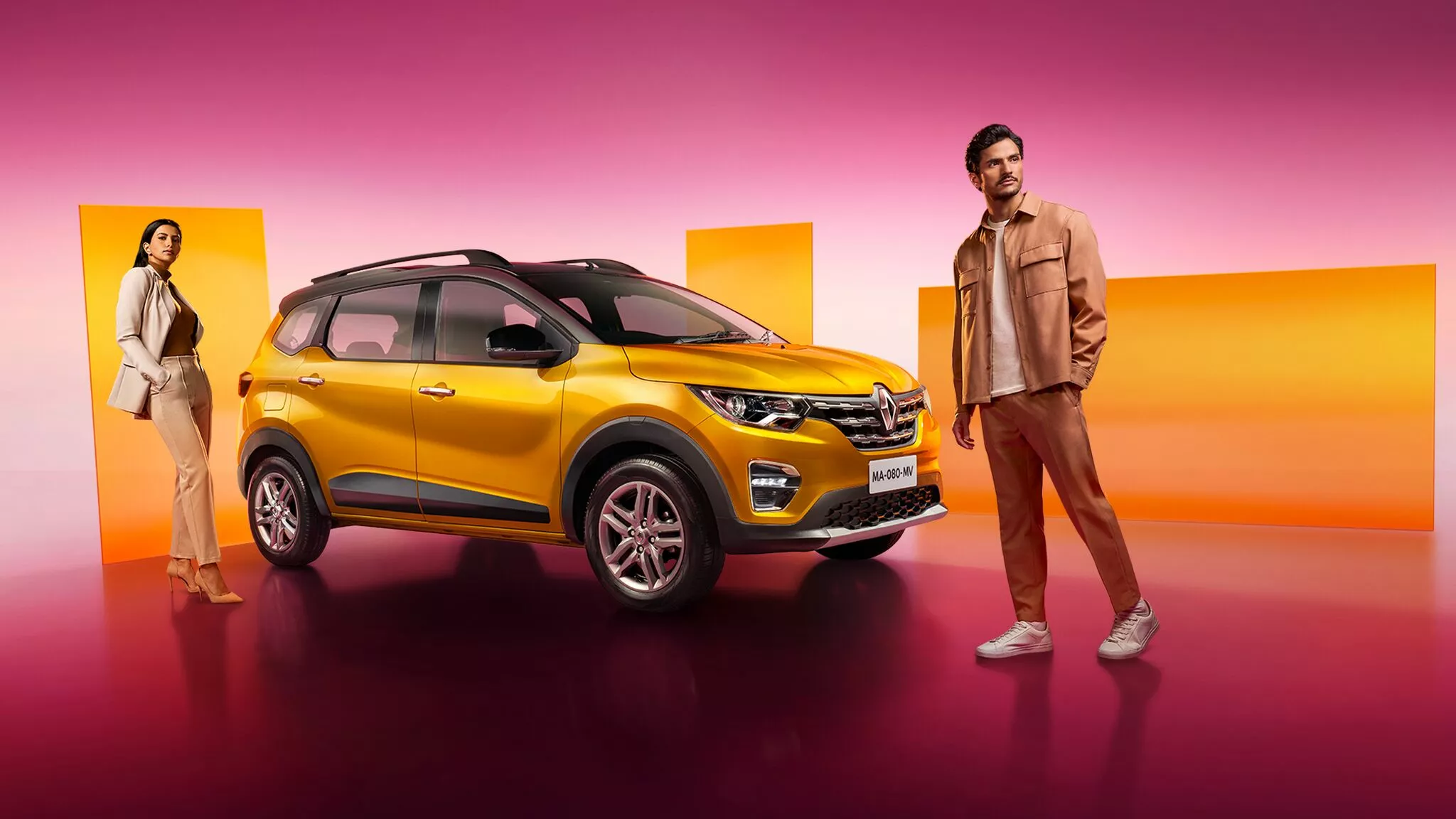
One of the most notable differences between the Gravite and the Triber is the exterior styling. While the Triber adopts a more conventional MPV gaze, the Gravite features a taller stance, flared wheel arches, and a more pronounced beltline, giving it a rugged, SUV-like appearance. This design choice is likely aimed at appealing to younger buyers who prioritize style alongside functionality. Inside, the Gravite is expected to retain the Triber’s flexible 7-seater layout, with a focus on maximizing cabin space despite its compact dimensions.
Autocar India, one of the first outlets to confirm the Gravite’s nameplate, reported that the vehicle will feature Nissan’s latest design cues, including LED lighting, a modern infotainment system, and a range of safety features typically found in higher-segment vehicles. The Gravite’s exterior dimensions are expected to remain similar to the Triber’s, with a length of around 3.99 meters, making it easy to maneuver in urban environments while still offering ample interior space for passengers and cargo.
Pricing and Market Positioning: A Game-Changer for Budget Buyers?
One of the Gravite’s biggest selling points is its expected pricing. While official figures have not been released, industry insiders and leaked reports suggest the Gravite could be priced between IDR 140 million and IDR 180 million (approximately USD 8,500 to USD 11,000) in Indonesia, undercutting competitors like the Toyota Avanza and Daihatsu Sigra. This aggressive pricing strategy aligns with Nissan’s goal of capturing a larger share of the budget MPV market, particularly in Southeast Asia, where price sensitivity is a key factor in purchasing decisions.
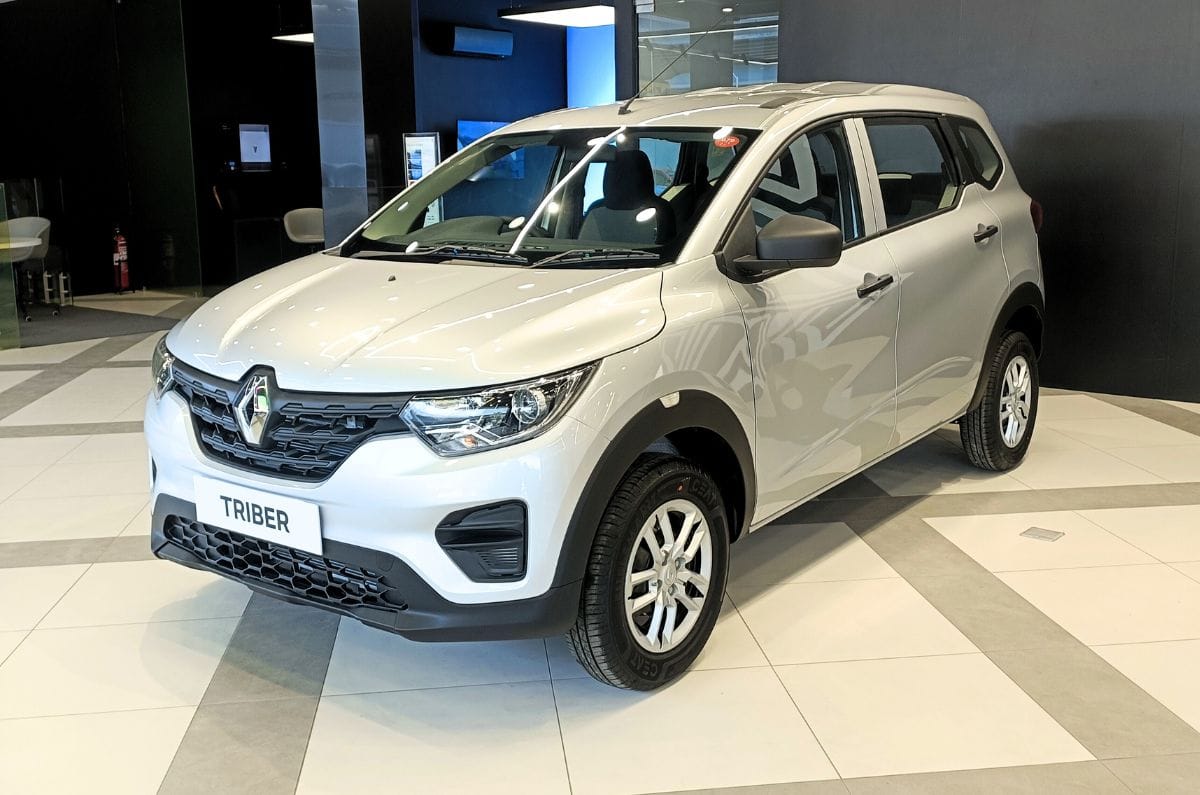
In India, where the Renault Triber is already sold, the Gravite is expected to be positioned as a more stylish and feature-rich alternative. Mint reported that Nissan could leverage its global supply chain and manufacturing efficiencies to offer the Gravite at a competitive price point, potentially starting under INR 600,000 (approximately USD 7,200). This would make it one of the most affordable 7-seater vehicles in the Indian market, directly challenging the Maruti Suzuki Ertiga and the Triber itself.
The Gravite’s pricing strategy is not just about undercutting competitors; it’s also about offering better value for money. Reports suggest the Gravite will reach equipped with features like a touchscreen infotainment system, automatic climate control, and advanced driver-assistance systems (ADAS) such as rear parking sensors and a 360-degree camera. These features are typically reserved for higher-segment vehicles, making the Gravite an attractive proposition for buyers who want modern amenities without breaking the bank.
Powertrain and Performance: Efficiency Meets Practicality
The Nissan Gravite is expected to share its powertrain with the Renault Triber, which means it will likely be powered by a 1.0-liter, 3-cylinder petrol engine producing around 72 horsepower and 96 Nm of torque. This engine is paired with either a 5-speed manual transmission or a 5-speed automated manual transmission (AMT), offering a balance of fuel efficiency and drivability for urban and highway use.
While the Triber’s engine has been praised for its fuel efficiency, some critics have noted that it lacks the power needed for highway overtaking or fully loaded family trips. Nissan may address this concern with the Gravite by offering slight tweaks to the engine tuning or introducing a more powerful variant in the future. However, for now, the focus remains on delivering a cost-effective and reliable powertrain that meets the needs of budget-conscious buyers.
One of the most exciting rumors surrounding the Gravite is the potential inclusion of Nissan’s e-Power hybrid technology. Netralnews.com reported that the Gravite could feature the third generation of Nissan’s e-Power system, which combines a petrol engine with an electric motor to deliver improved fuel efficiency and smoother acceleration. If confirmed, this would make the Gravite one of the first budget MPVs to offer hybrid technology, further differentiating it from competitors like the Avanza and Sigra, which are currently powered by conventional petrol engines.
However, it’s important to note that Nissan has not officially confirmed the inclusion of e-Power in the Gravite. The technology is currently available in select markets like Japan and Thailand, and its adoption in the Gravite would depend on local demand and regulatory incentives for hybrid vehicles. For now, buyers should expect the Gravite to launch with a conventional petrol engine, with hybrid variants potentially introduced at a later stage.
Interior and Features: A Cabin Designed for Comfort and Convenience
The Gravite’s interior is expected to prioritize space and practicality, with a focus on accommodating seven passengers comfortably. Like the Triber, the Gravite will likely feature a modular seating arrangement, allowing owners to configure the cabin for different needs—whether it’s maximizing passenger space, cargo capacity, or a combination of both. The third row of seats is expected to be more spacious than those in the Triber, addressing one of the key criticisms of its Renault counterpart.
In terms of features, the Gravite is rumored to offer a host of modern amenities that are rare in its price segment. Reports suggest the vehicle will come equipped with a 7-inch or 8-inch touchscreen infotainment system with support for Apple CarPlay and Android Auto, a digital instrument cluster, and automatic climate control. Safety features are expected to include dual front airbags, ABS with EBD, rear parking sensors, and a 360-degree camera, making the Gravite one of the safest vehicles in its class.
Netralnews.com also reported that the Gravite’s cabin will feature premium materials and finishes, giving it a more upscale feel compared to the Triber. This includes soft-touch plastics, leatherette upholstery, and ambient lighting, which are typically found in higher-segment vehicles. The Gravite’s interior design is likely to appeal to younger buyers who want a modern and stylish cabin without paying a premium for it.
Market Impact: Challenging the Avanza and Sigra
The Nissan Gravite’s launch is expected to have a significant impact on the compact MPV segment, particularly in markets like Indonesia, where the Toyota Avanza and Daihatsu Sigra have long dominated. The Avanza, in particular, has been the segment leader for over two decades, thanks to its reliability, affordability, and strong resale value. However, the Gravite’s competitive pricing, bold design, and modern features could pose a serious challenge to the Avanza’s dominance.
In Indonesia, the Avanza and Sigra are currently priced between IDR 200 million and IDR 250 million (approximately USD 12,000 to USD 15,000), significantly higher than the Gravite’s expected price range. This price difference could make the Gravite an attractive option for first-time car buyers and families looking for a more affordable alternative. The Gravite’s SUV-inspired design may appeal to younger buyers who prefer a more stylish and modern vehicle over the Avanza’s traditional MPV look.
In India, the Gravite will compete with the Maruti Suzuki Ertiga, Renault Triber, and Mahindra Marazzo. While the Ertiga has been a strong seller in the Indian market, its higher price point (starting at around INR 800,000) could make the Gravite a more attractive option for budget-conscious buyers. The Gravite’s competitive pricing and modern features could also help Nissan gain a foothold in the Indian MPV segment, where it currently has a limited presence.
Launch Timeline and Availability
Nissan has confirmed that the Gravite will make its global debut in early 2026, with production expected to begin in the first quarter of the year. The vehicle is likely to be manufactured in India, where Nissan has a strong manufacturing presence through its alliance with Renault. From India, the Gravite will be exported to other markets in Southeast Asia, including Indonesia, Thailand, and the Philippines.
In Indonesia, the Gravite is expected to be launched by March 2026, according to reports from Blitar Kawentar. The vehicle will be distributed through Nissan’s existing dealership network, which has been expanded in recent years to support the brand’s growth in the region. Nissan is also expected to offer attractive financing options and after-sales services to make the Gravite more accessible to a wider range of buyers.
For buyers in India, the Gravite is expected to be available by mid-2026, with bookings likely to open in the first half of the year. Nissan has not yet confirmed whether the Gravite will be sold through its existing dealerships or through a separate network, but the company is expected to announce more details closer to the launch date.
What’s Next for the Nissan Gravite?
As the launch of the Nissan Gravite approaches, industry watchers will be closely monitoring the vehicle’s final specifications, pricing, and market reception. Nissan’s ability to deliver a well-rounded package—combining affordability, style, and modern features—will be key to the Gravite’s success in a highly competitive segment.
For now, prospective buyers can look forward to more official updates from Nissan in the coming months, including details on variants, features, and pricing. The Gravite’s launch is also expected to spur competition in the compact MPV segment, with rivals like Toyota and Daihatsu likely to respond with updates to their existing models or the introduction of new variants.
As the automotive industry continues to evolve, the Nissan Gravite represents a bold step forward for budget-friendly family vehicles. With its confirmed launch, the Gravite is set to redefine what buyers can expect from an affordable 7-seater, offering a compelling blend of style, space, and value.
What are your thoughts on the Nissan Gravite? Do you think it has what it takes to challenge the Toyota Avanza and Daihatsu Sigra? Share your opinions in the comments below and don’t forget to share this article with fellow car enthusiasts!
Worth a look