
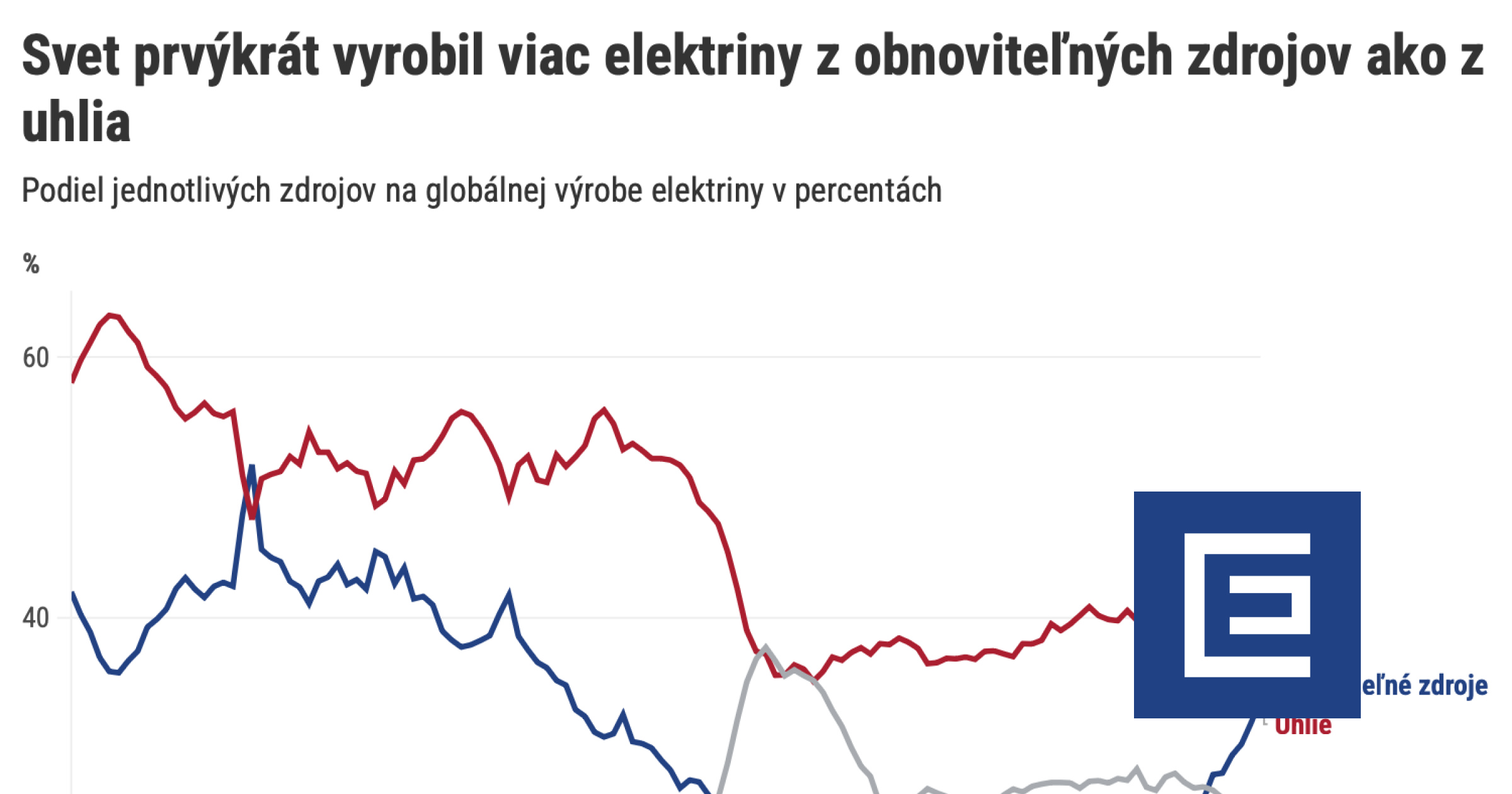
Renewable Energy Surpasses Coal for the First Time in Global Electricity Generation
In a historic milestone for the global energy sector, renewable sources have overtaken coal as the world’s largest source of electricity generation, according to the latest data from the International Energy Agency (IEA). This shift, long anticipated by energy analysts, marks a pivotal moment in the transition toward cleaner energy and underscores the rapid expansion of solar, wind, and other renewable technologies in meeting global electricity demand.
For the first time, renewables accounted for a larger share of global electricity production than coal in 2025, a development driven by record-breaking installations of solar and wind capacity, as well as a steady decline in coal’s dominance. The IEA’s Electricity Market Report 2025 confirms that renewables now represent 33% of the world’s electricity mix, up from 30% in 2024, while coal’s share has fallen to 32%, down from 35% the previous year. When combined with nuclear energy, low-carbon sources now supply nearly half of the world’s electricity, a significant leap from just under 40% in 2023.
“This is a watershed moment for the global energy transition,” said Dr. Fatih Birol, Executive Director of the IEA. “The rapid growth of renewables is not only reshaping how we power our economies but also offering a clear path toward reducing the carbon emissions that drive climate change. The energy sector, which has long been the largest source of global CO₂ emissions, is finally turning a corner.”
The Rise of Renewables: Solar and Wind Lead the Charge
The surge in renewable energy generation has been fueled primarily by solar and wind power, which together accounted for nearly 80% of the growth in renewables over the past year. Solar energy, in particular, has seen explosive growth, with global capacity increasing by over 20% annually since 2020. The IEA projects that solar will continue to dominate the renewable expansion, driven by falling costs, improved efficiency, and supportive government policies in key markets such as China, the United States, and the European Union.

Wind energy has also played a critical role, with offshore wind farms contributing significantly to Europe’s renewable output. In 2025, wind power generation grew by 12% globally, with China and the U.S. Leading the way in new installations. The IEA’s report highlights that the combined output of solar and wind now exceeds that of hydropower, which has historically been the largest renewable energy source.
This shift is not just a statistical milestone but a reflection of broader economic and technological trends. The cost of solar photovoltaic (PV) panels has plummeted by more than 80% over the past decade, making solar the cheapest source of new electricity generation in most parts of the world. Similarly, advancements in wind turbine technology have improved efficiency and reduced costs, further accelerating the adoption of wind power.
Coal’s Decline: A Slow but Inevitable Transition
While renewables have surged, coal’s decline has been more gradual. Coal remains a critical energy source in many developing economies, particularly in Asia, where countries like China and India continue to rely on it to meet growing electricity demand. However, the IEA’s data shows that coal’s share of global electricity generation has been steadily eroding, falling from 38% in 2015 to 32% in 2025. The agency projects that coal’s share will continue to decline by an average of 1.7% annually through 2026, driven by the retirement of aging coal plants and the expansion of cleaner alternatives.

China, the world’s largest consumer of coal, has been a key player in this transition. Despite its continued reliance on coal for over half of its electricity generation, China is also the global leader in renewable energy installations. In 2025, China accounted for nearly 60% of the world’s new solar capacity and 40% of new wind capacity. The country’s ability to balance its coal dependence with aggressive renewable expansion will be critical in determining the pace of the global energy transition.
In the United States and Europe, coal’s decline has been more pronounced. The U.S. Has retired over 100 gigawatts (GW) of coal-fired capacity since 2010, replacing much of it with natural gas and renewables. In the European Union, coal’s share of electricity generation has fallen to just 12%, down from 25% a decade ago, as the bloc accelerates its shift toward wind, solar, and nuclear power.
Regional Disparities: Progress and Challenges
The transition to renewables has not been uniform across the globe. While developed economies have made significant strides in reducing their reliance on fossil fuels, many developing nations continue to depend on coal to fuel economic growth. In Southeast Asia, for example, coal remains the dominant source of electricity, accounting for nearly 40% of the region’s power mix. Countries like Indonesia and Vietnam have ambitious plans to expand renewable capacity, but coal continues to play a central role in their energy strategies due to its affordability and reliability.
Africa, too, presents a mixed picture. While the continent has vast renewable energy potential, particularly in solar and wind, many African nations lack the infrastructure and investment needed to fully capitalize on these resources. Coal and natural gas remain critical to meeting the continent’s growing electricity demand. However, initiatives like the Desert to Power program, which aims to develop 10 GW of solar capacity in the Sahel region, offer a glimpse of Africa’s renewable energy future.
In Latin America, hydropower has long been the dominant source of electricity, but solar and wind are rapidly gaining ground. Brazil, the region’s largest economy, now generates nearly 20% of its electricity from wind and solar, with plans to double that share by 2030. Chile, too, has emerged as a leader in renewable energy, with solar and wind accounting for over 30% of its electricity generation in 2025.
The Role of Policy and Investment
The global shift toward renewables has been accelerated by supportive government policies and significant investment. In the European Union, the European Green Deal has set ambitious targets for reducing carbon emissions, including a goal to achieve net-zero emissions by 2050. The EU’s Renewable Energy Directive mandates that renewables account for at least 42.5% of the bloc’s energy consumption by 2030, a target that is driving massive investments in wind, solar, and hydrogen technologies.
In the United States, the Inflation Reduction Act (IRA), passed in 2022, has provided over $369 billion in incentives for clean energy and climate initiatives, including tax credits for solar and wind projects, electric vehicle adoption, and energy storage. These incentives have already spurred a wave of new renewable energy projects, with the U.S. Adding a record 33 GW of solar capacity in 2024 alone.
China, too, has played a pivotal role in driving the global renewable energy boom. The country’s 14th Five-Year Plan includes ambitious targets for renewable energy expansion, with a goal of increasing the share of non-fossil fuels in its energy mix to 25% by 2030. China’s dominance in solar panel manufacturing has also been a key factor in driving down global costs, making solar energy more accessible to developing nations.
What This Means for the Future of Energy
The milestone of renewables surpassing coal in global electricity generation is a clear sign that the energy transition is accelerating. However, the IEA warns that the pace of change must quicken if the world is to meet its climate goals. The agency’s Net Zero by 2050 scenario calls for renewables to account for 60% of global electricity generation by 2030, a target that will require unprecedented investment, policy support, and technological innovation.

One of the biggest challenges ahead is ensuring that the transition to renewables is equitable. Developing nations, which are expected to account for the majority of global electricity demand growth in the coming decades, will need access to affordable financing and technology to build out their renewable energy infrastructure. International cooperation, through initiatives like the International Renewable Energy Agency (IRENA) and the World Bank’s Energy Sector Management Assistance Program, will be critical in supporting these efforts.
Another key challenge is integrating renewables into the grid. Unlike coal and natural gas, which provide a steady and predictable flow of electricity, solar and wind are intermittent sources that depend on weather conditions. This variability requires significant investments in energy storage, grid modernization, and demand-side management to ensure a reliable and resilient electricity supply. Battery storage, in particular, has emerged as a critical enabler of renewable energy integration, with global capacity expected to grow from 17 GW in 2020 to over 400 GW by 2030.
Key Takeaways
- Historic Milestone: For the first time, renewable energy sources have surpassed coal as the world’s largest source of electricity generation, accounting for 33% of the global mix in 2025.
- Solar and Wind Lead the Way: Solar and wind power have driven the growth in renewables, with solar capacity increasing by over 20% annually since 2020.
- Coal’s Decline: Coal’s share of global electricity generation has fallen to 32%, down from 35% in 2024, with further declines projected in the coming years.
- Regional Disparities: While developed economies have made significant progress in transitioning to renewables, many developing nations continue to rely on coal to meet growing electricity demand.
- Policy and Investment: Government policies and investments, such as the U.S. Inflation Reduction Act and the EU’s Green Deal, have played a critical role in accelerating the shift to renewables.
- Challenges Ahead: Meeting global climate goals will require faster deployment of renewables, equitable access to clean energy for developing nations, and significant investments in grid modernization and energy storage.
What’s Next?
The IEA’s next major update on global electricity trends will be released in its World Energy Outlook 2025, expected in October. This report will provide further insights into the progress of the energy transition and the challenges that lie ahead. In the meantime, policymakers, investors, and energy companies will continue to grapple with the complexities of integrating renewables into the grid and ensuring a just and equitable transition for all nations.
As the world celebrates this historic milestone, the energy transition is well underway. However, the journey toward a sustainable and low-carbon future is far from over. The choices made today will determine whether the world can meet its climate goals and build a cleaner, more resilient energy system for generations to come.
What are your thoughts on this historic shift in global energy production? Share your views in the comments below and join the conversation on the future of renewables.