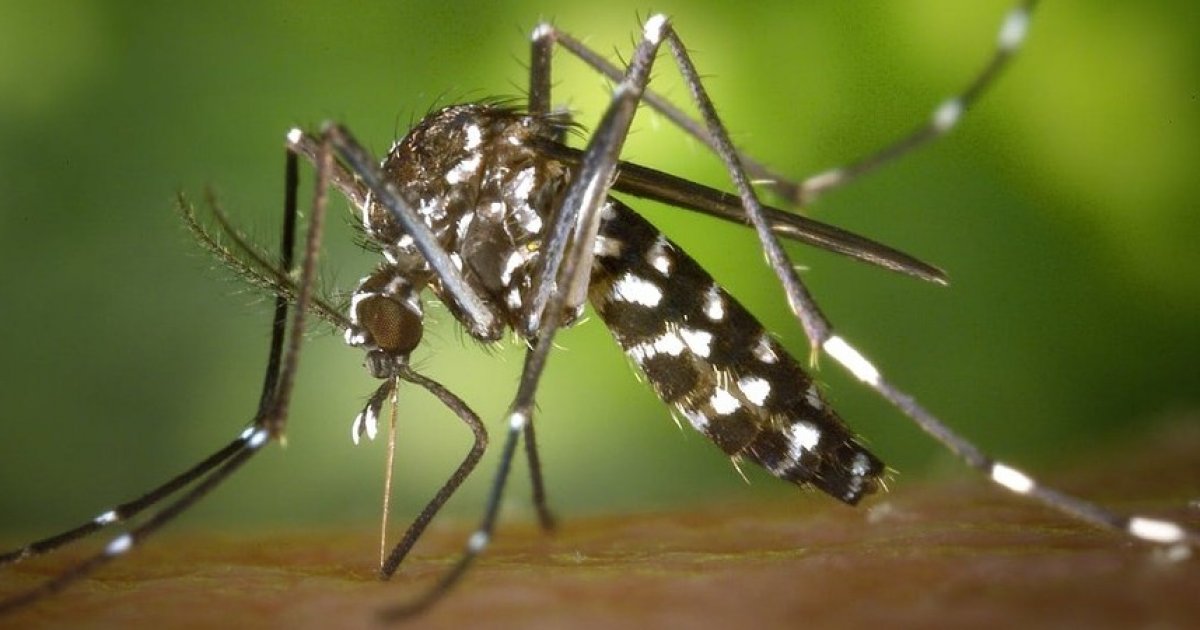
The Rhône department in eastern France has become a focal point for an innovative public health initiative aimed at curbing the spread of the invasive tiger mosquito (Aedes albopictus). In a pilot project launched in spring 2026, authorities released approximately 200,000 sterile male tiger mosquitoes into the environment as part of a biological control strategy known as the Sterile Insect Technique (SIT). This method, which involves mass-rearing and sterilizing male mosquitoes before release, aims to reduce wild populations by preventing successful reproduction when sterile males mate with fertile females.
The initiative, reported by regional news outlets including Orange Actualités and Le Progrès, targets communes in the Rhône-Alpes region where tiger mosquito populations have established themselves over recent years. Native to Southeast Asia, Aedes albopictus was first detected in mainland France in 2004 and has since spread to over 60 departments, posing a growing public health concern due to its potential to transmit diseases such as dengue, chikungunya, and Zika virus. While no local transmission of these pathogens has been confirmed in France to date, the mosquito’s aggressive daytime biting behavior and ability to thrive in urban environments have made it a significant nuisance and a focus of vector control efforts.
According to Le Progrès, the scale of intervention in certain areas has expanded significantly, with one commune near Lyon receiving up to five million sterile male mosquitoes in a single release phase. These figures reflect the intensive rearing and distribution efforts required to achieve a sufficient ratio of sterile to wild males — a critical factor for the success of SIT programs. The mosquitoes are typically sterilized using low-dose ionizing radiation, a process that renders them incapable of producing viable offspring while preserving their ability to compete for mates.
The project in Rhône follows similar trials conducted in other French regions, including La Ravoire in Savoie, where local authorities held an information meeting on April 28, 2026, to engage residents about ongoing mosquito control measures. Such community outreach is considered essential, as public cooperation — including the elimination of standing water where mosquitoes breed — enhances the effectiveness of technical interventions. Experts emphasize that SIT is most effective when integrated into broader vector management strategies that include surveillance, larval control, and public education.
While the Sterile Insect Technique has been successfully used against agricultural pests for decades, its application to mosquitoes gained momentum following World Health Organization (WHO)-endorsed pilot programs in countries such as Italy, Spain, and China. In Europe, the International Atomic Energy Agency (IAEA) and the Food and Agriculture Organization (FAO) have supported research into SIT for Aedes species through joint initiatives aimed at developing safe, sustainable alternatives to insecticides. These efforts are particularly relevant given growing concerns about insecticide resistance in mosquito populations and the environmental impact of chemical controls.
In the Rhône release, officials reported that the sterile males were released in multiple waves over several weeks to coincide with peak breeding activity. Monitoring efforts, including ovitrap networks and larval surveys, are being used to assess changes in wild population density and egg viability. Early indicators from comparable trials suggest that sustained releases over multiple seasons can lead to significant reductions in biting nuisance and disease transmission potential, though long-term success depends on continued funding, logistical coordination, and regional cooperation to prevent reinfestation from untreated areas.
Residents in the affected communes have been advised to continue personal protective measures, such as using insect repellent and installing window screens, even as the sterile male releases proceed. Health authorities stress that while SIT targets population reduction, it does not eliminate the demand for vigilance, particularly during the peak mosquito season from May to November. The approach is considered environmentally friendly, as it does not involve genetic modification or the introduction of non-native species, and the sterile mosquitoes do not bite or transmit pathogens.
As the 2026 season progresses, entomologists and public health officials in the Auvergne-Rhône-Alpes region will evaluate the outcomes of this initiative to determine its scalability and cost-effectiveness. Results will inform future decisions about expanding SIT to other communes facing similar challenges with Aedes albopictus. For now, the release of hundreds of thousands of sterile male mosquitoes represents a science-driven, precautionary effort to address a growing ecological and public health challenge in one of France’s most densely populated regions.