
To the untrained eye, a vacant lot is simply a piece of earth—a static asset defined by its acreage and boundaries. However, for the seasoned real estate investor, the physical land is often the least crucial part of the equation. The true value of any property lies not in what it is today, but in what it is legally and physically permitted to become.
This distinction is the foundation of professional real estate investment. Whether it is a residential plot in a growing suburb or a derelict warehouse in an urban core, the gap between a property’s current state and its “highest and best use” represents the primary opportunity for wealth creation. Understanding how to identify and unlock this potential is what separates speculative gambling from strategic investment.
Maximizing real estate land use value requires a sophisticated understanding of the intersection between market demand, physical constraints, and government regulation. When an investor shifts their focus from the land itself to the utility of that land, they stop buying property and start buying potential. This strategic pivot allows investors to acquire undervalued assets and “manufacture” equity through the process of rezoning and entitlement.
The Framework of Highest and Best Use (HBU)
In the professional appraisal and investment world, the gold standard for evaluating land is the Highest and Best Use (HBU) analysis. This is not a guess about what might be popular in a few years; it is a rigorous four-step test used to determine the most profitable use of a property. For a use to be considered the “highest and best,” it must meet four specific criteria.
First, the use must be legally permissible. This is the most critical hurdle. Even if a plot of land is perfect for a high-rise apartment complex, it is worthless for that purpose if the local zoning laws strictly limit the area to single-family residential homes. Investors must analyze current zoning ordinances, building codes, and any existing easements or deed restrictions that might limit development.
Second, the use must be physically possible. This involves analyzing the topography, soil quality, size, and shape of the lot. A steep cliffside or land with significant drainage issues may be legally zoned for commercial use, but the cost of stabilizing the ground might make construction impractical. Professional investors often employ geotechnical engineers to verify that the land can support the intended structure.
Third, the use must be financially feasible. A project might be legal and physically possible, but if the cost of construction exceeds the projected rental income or sale price, it is not a viable investment. This requires a deep dive into market analytics, including absorption rates, vacancy trends, and comparable sales in the immediate area.
Finally, the use must be maximally productive. Often, several different uses may be legal, possible, and feasible. The “highest and best use” is the one that produces the highest residual land value—essentially, the use that yields the greatest financial return for the owner.
The Invisible Hand: Zoning and the Entitlement Process
If the HBU analysis is the map, then zoning is the gatekeeper. Zoning laws are the primary tool used by municipal governments to regulate the use of land, separating residential, commercial, and industrial zones to maintain order and protect property values. For an investor, the ability to navigate these laws is a competitive advantage.
Value is often created through rezoning—the process of requesting a change in the official zoning designation of a property. For example, converting a plot from “Agricultural” to “Residential” or from “Residential” to “Mixed-Use” can instantaneously increase the land’s market value, even before a single brick is laid. This is because the investor has reduced the risk for the next buyer by securing the legal right to develop a more profitable project.
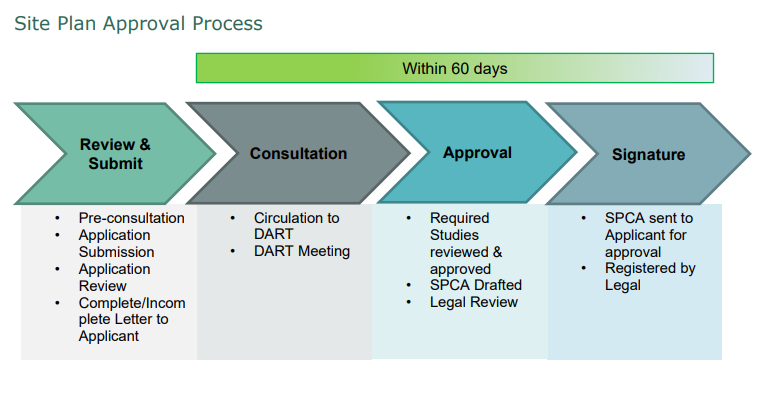
This journey from raw land to a developable project is known as the entitlement process. Entitlements are the legal approvals granted by government agencies to develop a property. This process typically includes:
- Site Plan Approval: Getting the layout of buildings, parking, and landscaping approved.
- Zoning Variances: Obtaining special permission to deviate from a specific zoning rule (e.g., building slightly closer to the property line than allowed).
- Environmental Clearances: Ensuring the project does not violate wetlands protections or contaminate local groundwater.
- Public Hearings: Presenting the project to local planning boards and facing community feedback.
Because the entitlement process is time-consuming and carries a risk of denial, “entitled land” sells for a significant premium over “unentitled land.” An investor who can successfully shepherd a property through this process is essentially creating value out of regulatory navigation.
Strategic Approaches to Land Value Enhancement
Beyond simple rezoning, there are several advanced strategies that professional investors use to maximize the utility and value of their holdings.
Land Assembly
Land assembly occurs when an investor purchases several smaller, adjacent parcels of land to create one large plot. Small lots are often limited by zoning laws that prevent large-scale development. By combining them, the investor can create a footprint large enough for a shopping center, an industrial park, or a high-density residential complex. The combined plot is almost always worth more than the sum of its individual parts because it unlocks development possibilities that were previously impossible.
Mixed-Use Development
Modern urban planning is shifting toward mixed-use development, which blends residential, commercial, and sometimes office spaces into a single project. This strategy mitigates risk by diversifying income streams. If the retail market dips, the residential rentals provide a safety net. From a land-use perspective, mixed-use projects maximize the “vertical” utility of the land, allowing investors to generate revenue from the ground floor (retail) and the upper floors (apartments) simultaneously.
Adaptive Reuse
Not all land value is found in vacant lots. Adaptive reuse involves taking an existing structure—such as an old textile mill or a defunct church—and converting it for a new use. This strategy often allows investors to bypass certain modern zoning restrictions through “grandfathered” clauses and can provide significant tax incentives from local governments eager to revitalize urban cores.
Evaluating Risk in Land-Use Investments
While the potential for high returns is significant, maximizing land use is not without risk. The primary danger is regulatory risk. A city council that was supportive of a project during the initial application may change its mind due to political pressure from local residents (often referred to as NIMBYism, or “Not In My Backyard”).

Investors must also account for market timing. The entitlement process can take months or even years. If the real estate market crashes while an investor is waiting for zoning approval, they may find themselves holding an expensive piece of land with a development plan that is no longer financially feasible.
Finally, environmental liabilities can devastate a project. Under laws such as the Comprehensive Environmental Response, Compensation, and Liability Act (CERCLA) in the United States, current landowners can be held responsible for cleaning up contamination caused by previous owners. A “Phase I Environmental Site Assessment” is a mandatory step for any professional investor to ensure they are not buying a legal and financial nightmare.
Key Takeaways for Real Estate Investors
- Focus on Potential, Not Current State: The value of land is determined by its Highest and Best Use (HBU), not its current appearance.
- Master the Four Tests: Ensure any proposed use is legally permissible, physically possible, financially feasible, and maximally productive.
- Leverage Entitlements: Creating value often means navigating the bureaucracy of zoning changes and permits to make the land “shovel-ready.”
- Diversify Utility: Consider mixed-use developments and land assembly to unlock scales of economy and revenue streams that single-use plots cannot offer.
- Due Diligence is Mandatory: Always conduct environmental assessments and market feasibility studies before committing capital to a rezoning play.
Moving Toward Execution
For those looking to apply these principles, the first step is not buying land, but studying the Comprehensive Plan of the target municipality. Most cities publish a long-term vision document that outlines where they want growth to happen. Investing in land that aligns with the city’s future goals significantly increases the likelihood of successful rezoning and entitlement.
The next critical checkpoint for investors monitoring these trends will be the release of updated municipal zoning maps and the annual budget hearings for local planning departments, which typically signal where new infrastructure—such as roads and sewers—will be placed. Infrastructure always precedes value; where the city builds a road, the land use value inevitably follows.
Do you have experience with rezoning or land assembly? Share your success stories or the hurdles you’ve faced in the comments below, and subscribe to the World Today Journal for more deep dives into global market strategies.
Worth a look