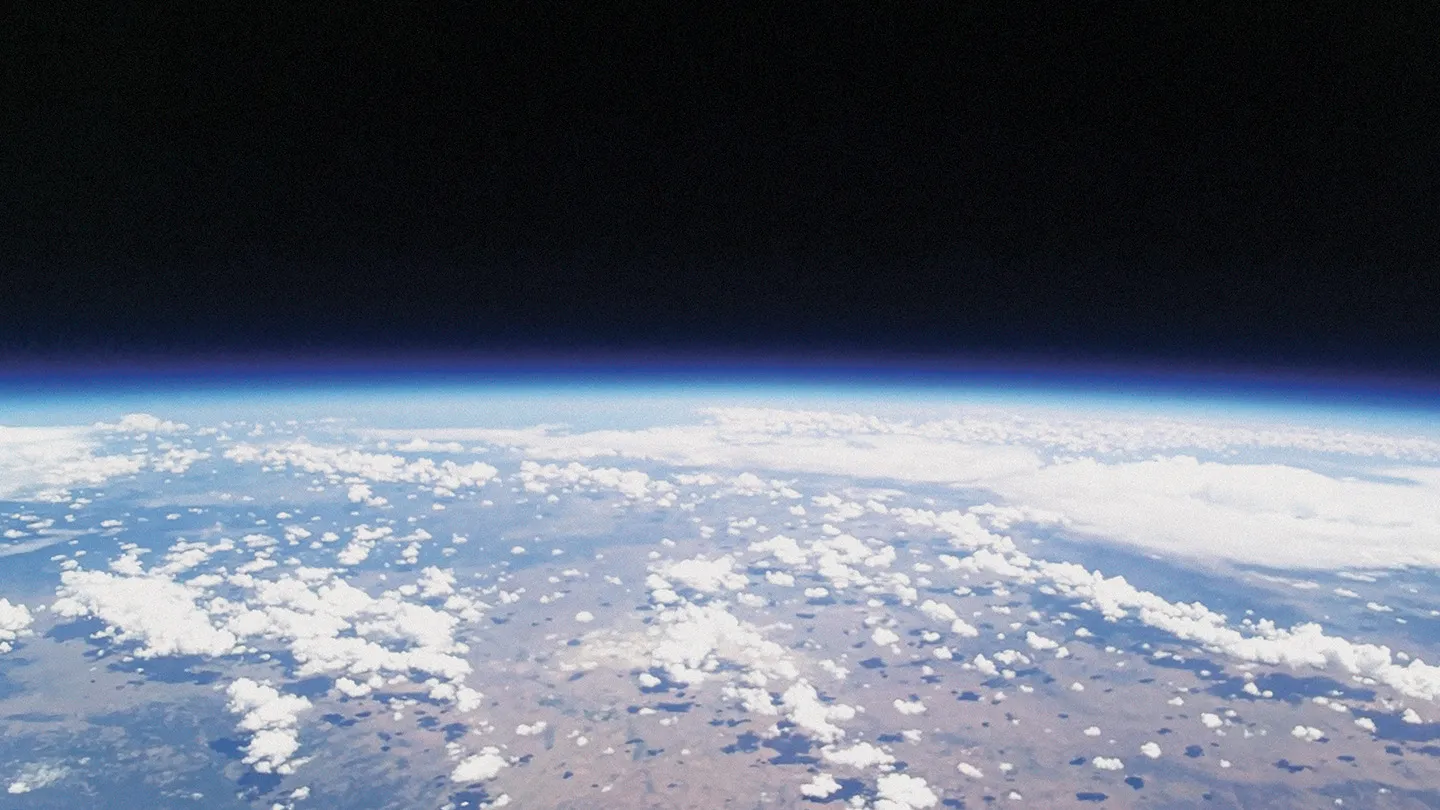
Microorganisms capable of surviving in extreme environments have been identified in the Earth’s stratosphere, according to research published in the journal Proceedings of the National Academy of Sciences. Scientists have documented the presence of diverse bacterial and fungal communities at altitudes reaching 10 to 15 kilometers, a region significantly higher than typical commercial flight paths. This discovery highlights the atmospheric boundary’s role as a biological bridge rather than a sterile barrier, suggesting that global wind patterns may facilitate the long-distance dispersal of these organisms.
As a physician and health journalist, I have followed the evolution of aerobiology—the study of airborne biological particles—with great interest. Understanding how microbes traverse the troposphere and enter the stratosphere is not merely a matter of academic curiosity; it has profound implications for our understanding of climate patterns, agricultural health, and the potential for cross-continental pathogen transmission. While the stratosphere is characterized by intense ultraviolet radiation and extreme cold, these life forms appear to have evolved mechanisms to persist in such inhospitable conditions.
The Discovery of Stratospheric Microbial Life
The study, which utilized high-altitude research aircraft to collect air samples, confirmed that the stratosphere contains a complex “microbiome” of organisms often found in terrestrial environments, such as soil and plant surfaces. Researchers led by the National Aeronautics and Space Administration (NASA) and various academic partners utilized specialized filters to capture these particles during flights over the United States. According to the data, many of the identified strains were dormant, yet viable, suggesting that the upper atmosphere acts as a reservoir for microbes that can be deposited back onto the Earth’s surface through atmospheric circulation.
The findings indicate that these microbes are likely lofted into the upper atmosphere via intense weather events, such as tropical cyclones or strong convective storms. Once they reach the lower stratosphere, these particles can remain suspended for extended periods. This process effectively bypasses traditional geographical barriers, meaning that a microbe originating in a garden or farm in one hemisphere could theoretically be transported to a remote region thousands of miles away.
Why Microbial Dispersal Matters for Public Health
The ability of bacteria and fungi to travel via the stratospheric superhighway poses questions regarding the spread of agricultural pathogens. Many of the microbes detected in high-altitude samples include common crop-associated species. If these organisms are being distributed globally via high-altitude currents, it may explain the sudden appearance of certain plant diseases in previously unaffected regions. The Food and Agriculture Organization of the United Nations has long monitored the transboundary movement of agricultural pests, but the role of stratospheric transport adds a new dimension to these surveillance efforts.
From a clinical perspective, the presence of these microbes at high altitudes also informs our understanding of bioaerosols. While most human-pathogenic bacteria are not well-suited for long-term survival in the stratosphere, the genetic material and potential for mutation in these environments remain a subject of active inquiry. The World Health Organization emphasizes the importance of understanding environmental reservoirs for emerging infectious threats, and the atmosphere is increasingly recognized as a key component of that global cycle.
Environmental Adaptation and Biological Resilience
How do these organisms survive in a vacuum-like, radiation-heavy environment? Researchers suggest that many of these microbes possess robust outer membranes or form spores that protect them from the harsh conditions of the stratosphere. These adaptations are not unique to high-altitude life; they are the same biological defenses that allow bacteria to persist in arid soils or on the surface of human skin. This resilience confirms that the “superhighway” is populated by organisms that are already highly efficient at surviving environmental stress.
The research underscores the necessity of continuous monitoring of atmospheric biodiversity. As climate change alters the frequency and intensity of extreme weather events, the mechanisms that loft these microbes into the stratosphere may become more active. Scientists are now focused on determining whether the concentration of these atmospheric microbes is increasing over time and what specific environmental triggers lead to their injection into the upper atmosphere.
Next Steps in Atmospheric Research
The next phase of investigation will involve longer-duration sampling missions to map the seasonal fluctuations of stratospheric microbial populations. Researchers are scheduled to present updated findings on atmospheric particle distribution at the upcoming American Geophysical Union conference later this year. These sessions will provide further clarity on how stratospheric circulation influences the global distribution of biological matter.

As we continue to explore the intersection of meteorology and microbiology, we are reminded that our planet’s atmosphere is a dynamic, interconnected system. Understanding the life that travels above us is essential to managing the health of our crops, our ecosystems, and ultimately, our own populations. We invite our readers to share their thoughts on this fascinating frontier in the comments section below, and look for further updates as more data is released from the research community.
Worth a look