
Senate support for President Donald Trump’s military strategy regarding Iran is facing a period of notable instability, as an increasing number of Republican lawmakers signal potential dissent over the administration’s use of force. This shifting dynamic has emboldened Democratic leadership, who now suggest they may have secured the necessary support to move a war powers resolution through the chamber. The legislative effort, which seeks to mandate the withdrawal of U.S. forces from hostilities against Iran absent explicit congressional authorization, has gained momentum after a handful of Republican senators broke ranks to support a procedural discharge petition.
The core of the legislative conflict centers on the interpretation of the War Powers Resolution of 1973, a federal law that limits the president’s ability to initiate military action without congressional approval. According to records maintained by the United States Senate, the resolution is designed to ensure that the legislative branch maintains its constitutional oversight regarding military engagements. As the current administration navigates heightened tensions in the Middle East, the legislative push represents a significant test of executive authority and the traditional influence of the Republican leadership in the Senate.
The Legislative Path to a Vote
The recent procedural maneuvers in the Senate have brought the war powers debate to the forefront of the congressional agenda. By utilizing a discharge petition, supporters of the resolution aim to bypass the typical committee process, which is often controlled by leadership. This mechanism allows a majority of senators to force a floor vote on the measure, provided they can garner sufficient signatures from their colleagues. According to reports from the Reuters news agency, the effort has successfully drawn support from a small but critical group of Republican senators who have expressed concerns over the scope of the administration’s military directives.
The legislative strategy hinges on the support of senators who have historically prioritized the “power of the purse” and the constitutional authority of Congress to declare war. While the Republican party has largely maintained a unified front on foreign policy during the current term, the specific question of Iranian military engagement has exposed underlying disagreements. The Congressional Research Service notes that previous attempts to invoke the War Powers Resolution have often served as a barometer for bipartisan frustration regarding the executive branch’s military footprint, regardless of which party occupies the White House.
Why Republican Dissent Matters
The shift in Republican sentiment is not merely a procedural concern; it highlights a broader debate within the party about the future of American interventionism. Analysts at the Council on Foreign Relations have observed that the party is currently grappling with a transition between traditional hawkish stances and a more isolationist “America First” approach. For senators facing reelection or responding to constituents weary of long-term Middle Eastern deployments, the war powers resolution provides a tangible way to assert independence from the executive branch.
The impact of this dissent is twofold. First, it threatens to weaken the administration’s leverage in diplomatic negotiations with Tehran by signaling a fractured domestic political landscape. Second, it creates a potential precedent where the Senate, traditionally more hawkish on matters of national security, begins to exert more granular control over military deployments. Should the resolution pass, it would place the President in the position of either signing a measure that restricts his own authority or issuing a veto, which would then be subject to a potential override attempt.
What Happens Next in the Senate
The immediate future of the resolution depends on the floor schedule, which remains under the control of the Senate Majority Leader. While proponents of the measure have achieved a procedural victory, the transition from a discharge motion to a final vote is not instantaneous. According to the Senate Legislative Information System, the chamber must navigate a series of procedural hurdles before a final vote on the merits of the resolution can occur. Senate leadership has not yet indicated a specific date for a final floor vote, and the timing will likely be influenced by ongoing diplomatic developments and the administration’s response to the growing internal pressure.
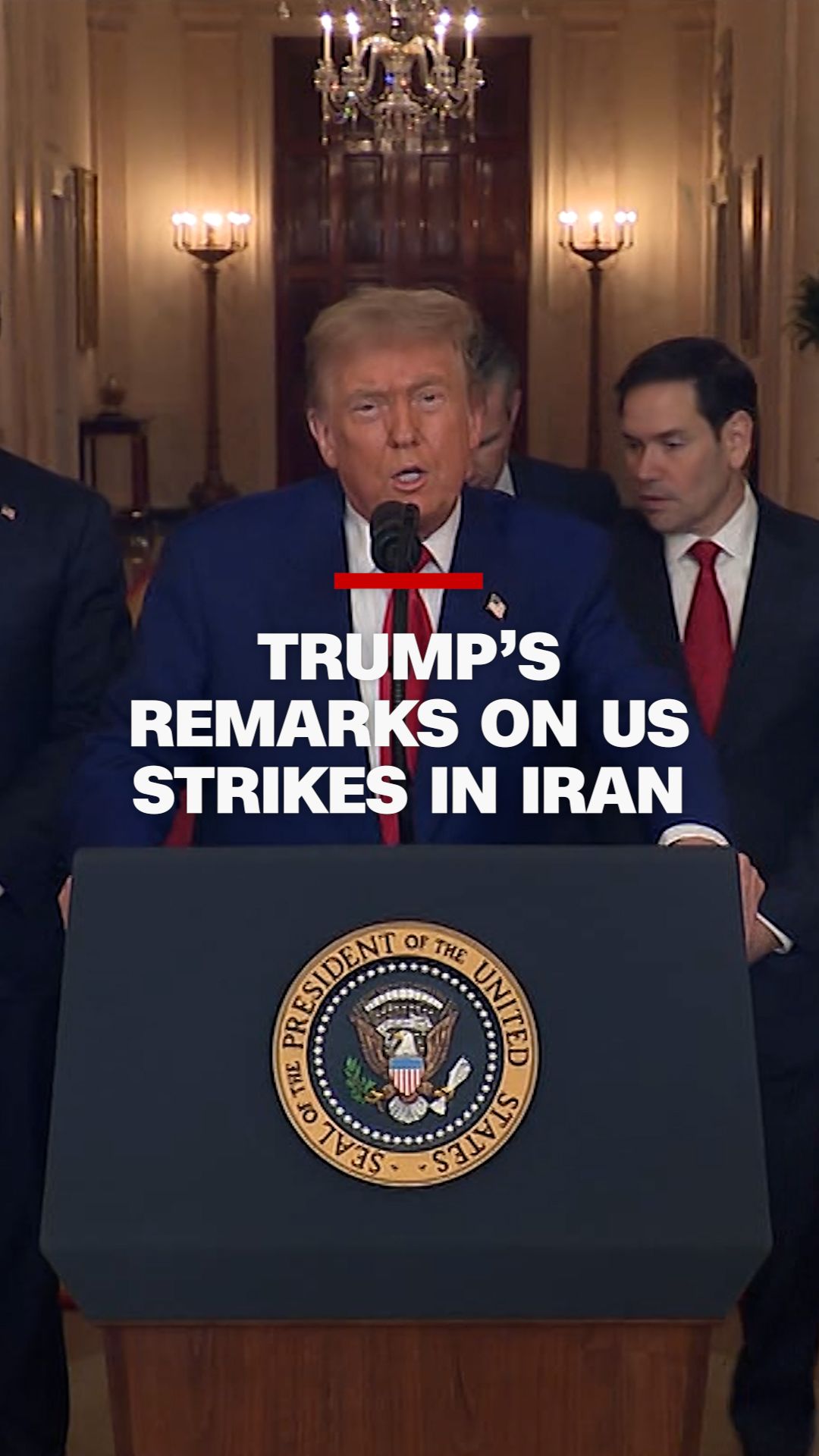
Observers are closely monitoring the next session, where the focus will shift to whether the current bipartisan coalition can hold under the pressure of intense lobbying from the White House. The administration has historically maintained that existing authorizations for the use of military force (AUMF) provide sufficient legal cover for current operations. However, the legal arguments put forward by the executive branch are increasingly being contested by constitutional scholars and lawmakers alike. The next checkpoint for this legislation will be the formal introduction of the resolution for debate, which will force every senator to go on the record regarding the administration’s Iran policy. We encourage our readers to follow the official Senate floor schedule for the most accurate and up-to-date information on upcoming votes and legislative sessions.
This remains a developing story. We invite our readers to share their perspectives on the constitutional implications of this debate in the comments section below.