
Several states have declined invitations to participate in the upcoming “Great American State Fair,” an initiative aimed at showcasing regional industries and cultural contributions. The event, which has faced varying degrees of institutional support, has encountered resistance from multiple state administrations citing concerns over resource allocation and the political nature of the project. While organizers maintain that the fair serves as a neutral platform for state promotion, the withdrawals highlight broader debates regarding the intersection of state governance and national political initiatives.
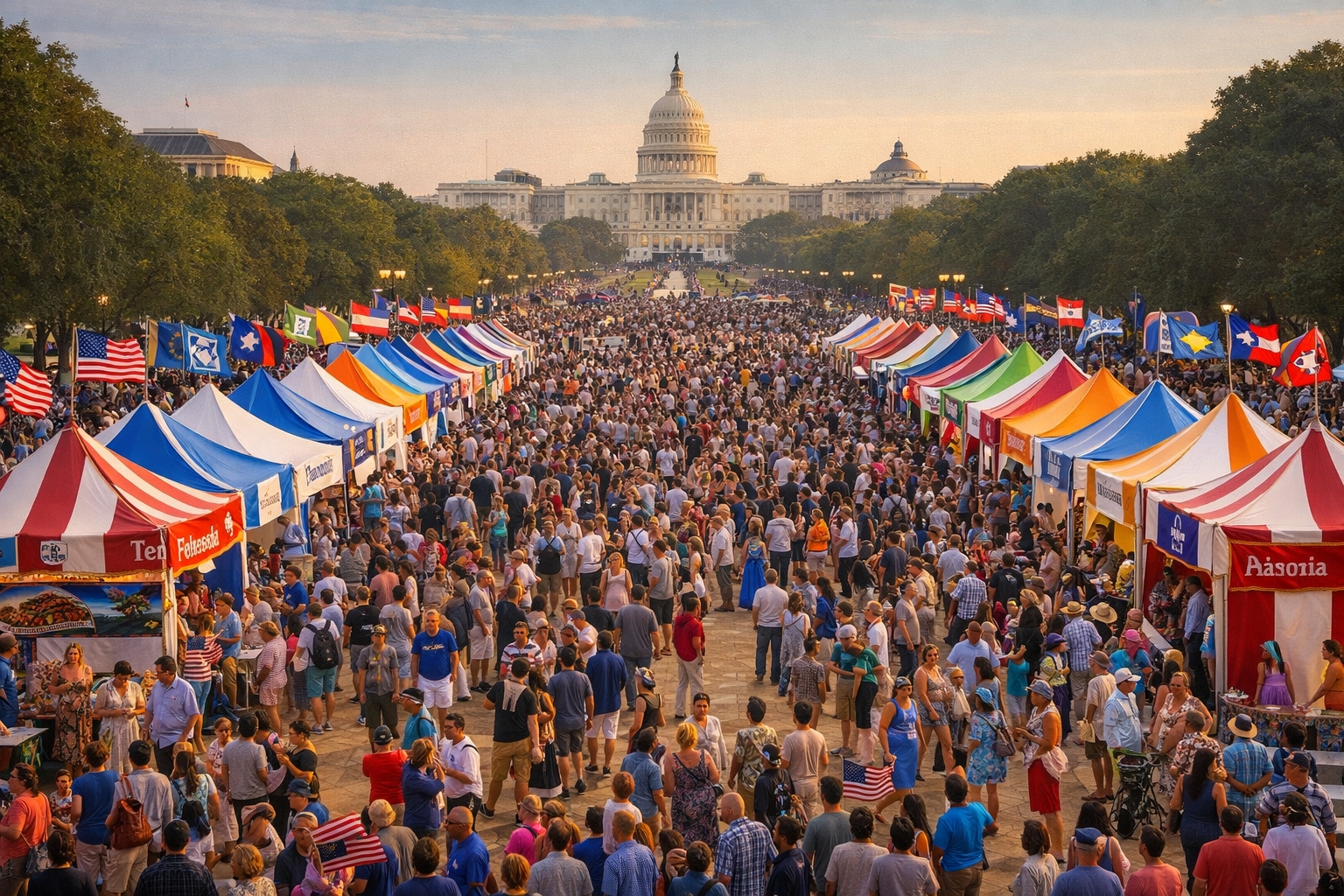
The Great American State Fair, promoted as a non-partisan showcase of American innovation, agriculture, and heritage, has seen a fragmented response from state governments. According to reports from the C-SPAN broadcast of the project’s announcement, organizers envisioned a centralized venue to highlight the distinct economic and cultural profiles of all 50 states. However, as invitations were extended to various governors’ offices, several states confirmed they would not be sending official delegations or displays to the event.
The Rationale Behind State Declinations
State governors and their respective departments of commerce have provided various reasons for declining participation. For many, the decision centers on the allocation of limited state funds. In an era of tightening fiscal budgets, state leaders are increasingly scrutinizing the return on investment for participating in national exhibitions, particularly when those events do not align with existing tourism or trade development strategies.
Beyond fiscal concerns, the political branding of the fair has emerged as a point of friction. Some states have opted to distance themselves from the initiative to avoid perceived alignment with the polarizing political figures associated with the project’s launch. This reluctance underscores the current climate of “political partitioning,” where state executives are increasingly cautious about lending their state’s official brand to initiatives that could be interpreted as endorsements of specific national political agendas.
Organizer Defense and Event Objectives
Event organizers continue to defend the fair as a necessary bridge between state-level achievements and the national public. In official statements, representatives for the fair have argued that the event is designed to bypass traditional political barriers, focusing instead on industry growth and regional pride. They maintain that the absence of a few states does not undermine the fundamental value of the exhibition for those that have chosen to attend.
Proponents of the fair emphasize that state-level participation is voluntary and that the event serves as a specialized platform for small businesses and agricultural producers to reach a national audience. They characterize the withdrawals not as a failure of the concept, but as a typical outcome of decentralized state priorities where regional interests often take precedence over national-level collaborative projects.
Impact on Future State-Level Initiatives
The decision by various states to withdraw raises questions about the future of similar large-scale national initiatives. When states opt out of such projects, it often signals a shift toward more regionalized economic cooperation, where states prefer to partner with neighboring jurisdictions rather than participating in centralized, national-level events. This trend toward “sovereign-first” decision-making is a recurring theme in contemporary American politics, as states seek to maintain autonomy over their public image and fiscal resources.
The long-term success of the Great American State Fair may depend on its ability to demonstrate tangible benefits to the participating states. For states that have declined, the threshold for future participation will likely remain high, requiring organizers to provide clear evidence of economic impact and non-partisan neutrality. As of the latest updates from USA Herald and other industry observers, no further state withdrawals have been officially announced, though the final lineup of participating states remains in flux.
The next major checkpoint for the project will be the publication of the finalized list of participating states and the commencement of site preparations. Observers should monitor official state government portals for any further updates regarding regional participation. If you have insights or updates regarding your state’s involvement, feel free to share them in the comments section below.
- Running 100km on a Treadmill: Full Training Video
- Southern California Heat Wave: Dangerous Temperatures and High Humidity Forecast for August
- Trump Administration Pursues New Criminal Charges Against Former FBI Director (world-today-news.com)
- The Senate Blue Slip, Explained: The Custom Trump Wants Gone (daybreakwire.com)