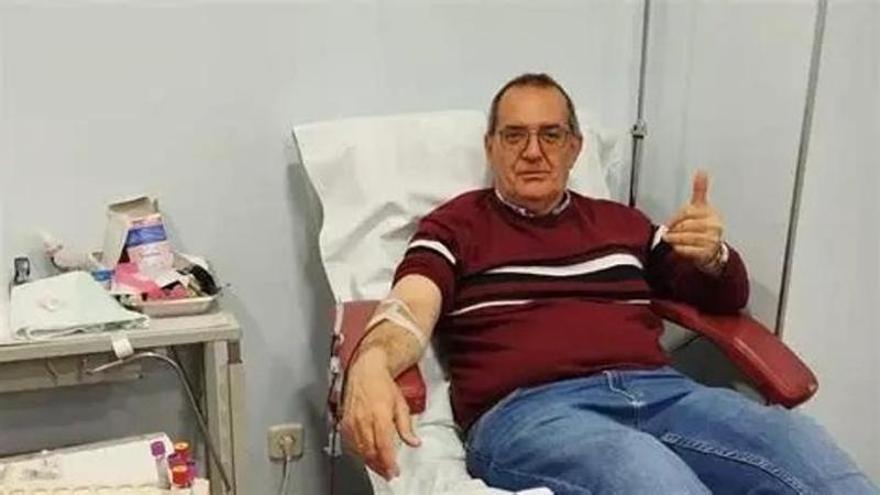
In the heart of the Cáceres province in Spain, a quiet but powerful movement of community solidarity is ensuring that the regional healthcare system remains resilient. In Coria, the success of local blood donation drives has become a benchmark for civic engagement, with organizers reporting a consistent and overwhelming response from the public that frequently exceeds expectations.
The effort to maintain stable blood reserves is a critical component of public health infrastructure, particularly in rural regions where logistics can be challenging. For the residents of Coria and the surrounding areas, blood donation in Coria has evolved from a sporadic medical necessity into a regular act of community service, driven by a collective understanding that a single donation can save multiple lives.
Valentín Macías, a key figure in the coordination of these efforts, has highlighted the remarkable consistency of the local population. According to local reports, the response from the community has been so robust that the drives frequently “hit the mark” or reach full capacity, a testament to the ingrained culture of mutual aid in the region. This surge in voluntary participation provides a vital safety net for patients across the province of Cáceres and the wider Extremadura region.
This grassroots success is not merely a local victory but a reflection of a broader health strategy implemented by the Servicio Extremeño de Salud (SES), the public health entity responsible for managing healthcare services in Extremadura. By decentralizing donation points and bringing the “blood mobile” or temporary clinics to the people, the SES is able to tap into the solidarity of rural populations who might otherwise face barriers to accessing donation centers in larger cities.
The “Full House” Effect: Valentín Macías on Community Response
The phenomenon described by Valentín Macías as “haciendo pleno”—meaning they reach their full quota or fill every available slot—underscores a significant shift in how rural communities perceive their role in the healthcare chain. In many parts of the world, blood banks struggle with “seasonal dips,” particularly during summer holidays or winter flu seasons. However, Coria has demonstrated a level of reliability that stabilizes the supply chain for the regional hospitals.
Macías emphasizes that the motivation behind these donations is rooted in a deep sense of solidarity. The act of donating blood is presented not as a clinical obligation, but as a communal responsibility. This framing has helped in recruiting younger donors, ensuring that the pool of eligible contributors is diverse and sustainable for the long term.
The impact of this high turnout is immediate. When a donation drive “makes the full mark,” it reduces the pressure on central blood banks and ensures that urgent surgeries, oncology treatments, and emergency trauma responses in the region are not delayed due to shortages. In a region where the geography can complicate rapid transport, having a steady stream of local donations is an operational necessity.
Serving the Rural Heartland: From Sierra de Gata to Rivera del Fresno
The reach of the blood donation collective in Coria extends far beyond the town center. The operational scope covers several key rural zones, including the Valle del Alagón, the Sierra de Gata, and the Rivera del Fresno. These areas are characterized by dispersed populations and a strong connection to the land, making the mobile nature of the donation drives essential.

In the Sierra de Gata, for instance, the rugged terrain and distance from major urban centers can make traditional hospital-based donation tricky. By establishing temporary hubs, the collective ensures that residents of these remote villages can contribute without enduring long commutes. This inclusive approach ensures that the “solidarity response” mentioned by organizers is inclusive of all socio-economic and geographic segments of the population.
Similarly, in the Rivera del Fresno and Valle del Alagón, the drives are often timed to align with local rhythms, ensuring that agricultural workers and residents can participate. The logistical coordination required to move equipment and medical staff across these diverse landscapes is significant, but the results—measured in liters of blood collected—justify the investment in mobile outreach.
The Critical Logistics of Blood Supply in Extremadura
To understand why the efforts in Coria are so vital, one must look at the systemic requirements of the Spanish health system. Blood is a perishable resource; platelets, for example, have a shelf life of only a few days. This creates a constant need for a “rolling” supply of donors rather than occasional mass events.
The Spanish Ministry of Health maintains strict standards for blood safety and distribution, but the actual collection relies almost entirely on voluntary, non-remunerated donations. This model is designed to ensure the highest quality of blood and to prevent the commercialization of human biological materials.
When regions like Coria consistently meet their targets, it creates a “buffer” that can be deployed to other parts of Extremadura during crises. Whether it is a natural disaster, a major traffic accident on the regional highways, or a spike in demand at a specialized clinic, the reliability of the Coria collective contributes to the overall stability of the regional health network.
The Process of a Donation Drive in Rural Cáceres
- Planning: Coordination between the SES and local leaders like Valentín Macías to set dates and locations.
- Mobilization: Using local communication channels to alert residents in Valle del Alagón, Sierra de Gata, and Rivera del Fresno.
- Screening: On-site medical professionals verify donor health and eligibility to ensure safety.
- Collection: The actual donation process, conducted in a controlled, sterile environment.
- Distribution: Rapid transport of the blood to processing centers where it is separated into plasma, platelets, and red cells.
Why Voluntary Donation Remains a Global Economic Imperative
From a business and economic perspective, the voluntary blood donation model is one of the most efficient forms of “social capital.” When a community organizes itself to provide a critical medical resource for free, it significantly lowers the operational costs of the public health system. The “economic value” of a single unit of blood, when considering the cost of procurement, testing, and processing, is substantial.
the health benefits to the donor—such as the stimulation of new red blood cell production—contribute to a generally healthier workforce. In rural economies, where the health of the individual is directly tied to the productivity of the land, these public health initiatives create a positive feedback loop.
The success in Coria serves as a case study in how local leadership and a strong sense of identity can be leveraged to solve systemic healthcare challenges. By transforming a medical need into a point of community pride, the organizers have ensured that the supply of blood is not just a matter of luck, but a matter of planned, reliable civic action.
Key Takeaways: Blood Donation in Coria
- Consistent Success: Local drives in Coria frequently reach full capacity, ensuring a steady supply of blood for the region.
- Wide Geographic Reach: The efforts extend to the Valle del Alagón, Sierra de Gata, and Rivera del Fresno, overcoming rural isolation.
- Systemic Importance: These donations support the Servicio Extremeño de Salud (SES) and the broader Spanish public health network.
- Community Driven: The movement is powered by voluntary solidarity and coordinated by local figures such as Valentín Macías.
- Public Health Impact: Reliable blood reserves are essential for emergency trauma, oncology, and surgical procedures across Cáceres.
As the healthcare needs of an aging population in rural Spain increase, the reliance on voluntary donors will only grow. The model established in Coria—combining mobile accessibility with strong community messaging—offers a blueprint for other regions struggling with blood shortages.
The next scheduled blood donation drives in the Cáceres province are typically coordinated through the SES regional calendar. Residents and visitors are encouraged to check the official health portals for upcoming dates and eligibility requirements to continue the streak of success seen in Coria.
Do you live in a region with a strong tradition of community health support? We invite you to share your experiences and comments on how local solidarity impacts public health in your area.