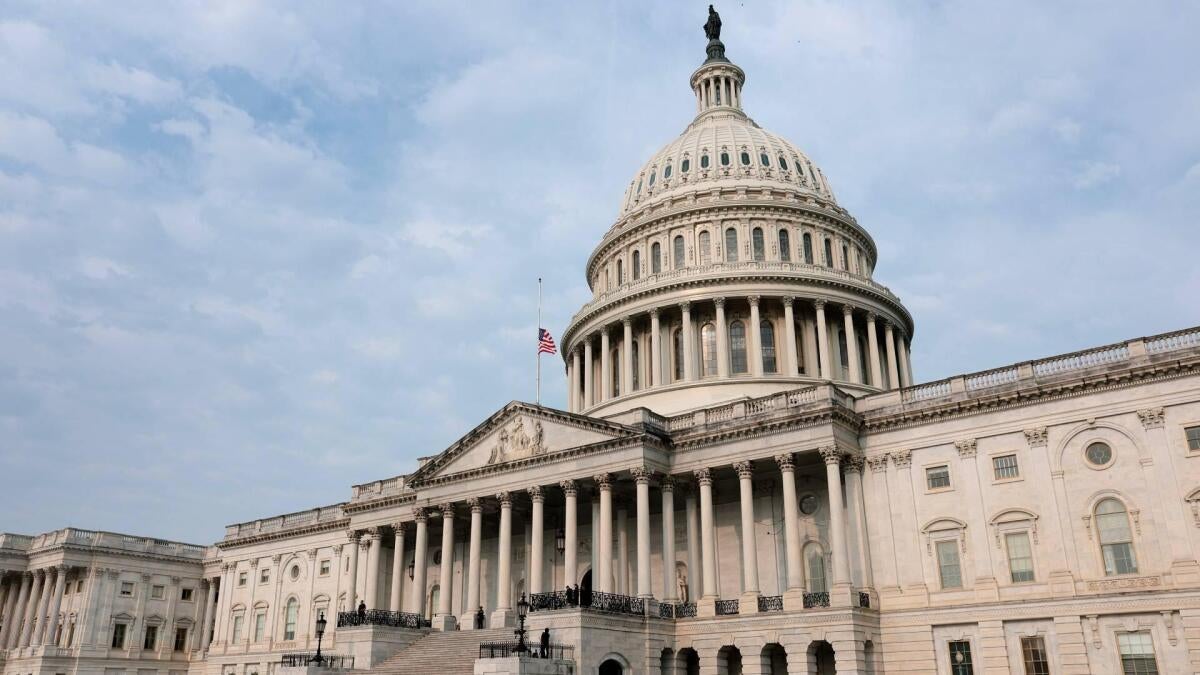
As the August congressional recess approaches, lawmakers, athletic directors, and conference commissioners are locked in intense negotiations over federal college sports legislation. The push comes as major collegiate conferences, most notably the Big Ten and the Southeastern Conference (SEC), navigate an increasingly fragmented legal and regulatory landscape marked by athlete compensation battles, name, image, and likeness (NIL) inconsistencies across state lines, and mounting pressure for a unified national framework.
The urgency on Capitol Hill centers on drafting statutory language that can establish clear guardrails for Division I athletics before lawmakers depart for the late-summer break. While athletic leaders from powerhouse leagues have spent months lobbying Washington for federal intervention, drafting a bipartisan compromise that satisfies universities, conferences, and student-athletes remains a steep legislative hurdle.
With antitrust lawsuits reshaping the business model of college sports and state laws diverging wildly, the upcoming legislative window represents a critical juncture for lawmakers attempting to stabilize the governance of collegiate athletics. Stakeholders across the country are closely monitoring whether congressional committees can introduce actionable bill text before the legislative clock winds down.
The Legislative Push and the August Deadline
The legislative effort to regulate college sports has accelerated amid mounting judicial and administrative pressure on the National Collegiate Athletic Association (NCAA). Federal lawmakers have held multiple hearings over the past two years examining athlete compensation, anti-trust exemptions, and revenue sharing. However, translating those discussions into concrete statutory language before the August congressional recess has proven difficult.
Conference commissioners, university presidents, and athletic directors argue that a patchwork of state-level NIL statutes creates an uneven playing field in recruiting and competition. Programs in states with permissive NIL laws operate under different rules than those in states with restrictive statutes or lack of specific legislation entirely. Leaders from the Big Ten and the SEC have consistently urged Congress to enact preemptive federal standards to standardize rules nationwide.
Despite heavy lobbying, partisan divides over athlete employment status, antitrust protections, and collective bargaining rights continue to stall comprehensive consensus. Negotiators face the challenge of balancing the economic interests of major athletic powerhouses with broader educational and Olympic sports protections mandated by Title IX.
Navigating Antitrust Pressures and State Laws
The push for federal legislation is heavily influenced by ongoing antitrust litigation challenging NCAA restrictions on athlete compensation. Landmark court rulings and settlements have forced universities to prepare for direct revenue sharing with student-athletes, fundamentally altering the traditional amateurism model.
Without federal statutory backing, conferences and universities remain exposed to state-by-state litigation and conflicting regulatory mandates. Several states have enacted laws explicitly protecting high schools and universities from NCAA enforcement regarding NIL deals, while other state legislatures have moved to regulate sports agents and collective organizations directly.
Legal analysts note that federal legislation could potentially provide antitrust relief or a safe harbor for conferences enforcing roster caps, scholarship limits, and transfer portal guidelines. Yet, civil rights advocates and player representation groups caution against any bill that strips athletes of employment rights or limits their ability to challenge restrictive bylaws in court.
What Lies Ahead for Collegiate Athletics
As the legislative clock winds down toward the August recess, attention shifts to whether congressional leaders can forge a narrow compromise or if comprehensive reform will be pushed into the fall session. Committee staff members continue to draft potential legislative text, though no final bill has formally cleared a chamber floor.
University administrators are preparing for multiple operational scenarios depending on congressional action. If lawmakers fail to pass a regulatory framework before the recess, conferences will likely continue relying on internal rule adjustments, judicial settlements, and state-level compliance strategies to manage the shifting landscape of college sports.
Stakeholders and athletic departments await the next scheduled congressional hearings and committee markups to determine whether federal intervention remains viable ahead of the fall athletic calendar. Readers can track official legislative updates and committee schedules directly through congressional tracking portals and official government publishing offices.
Keep reading