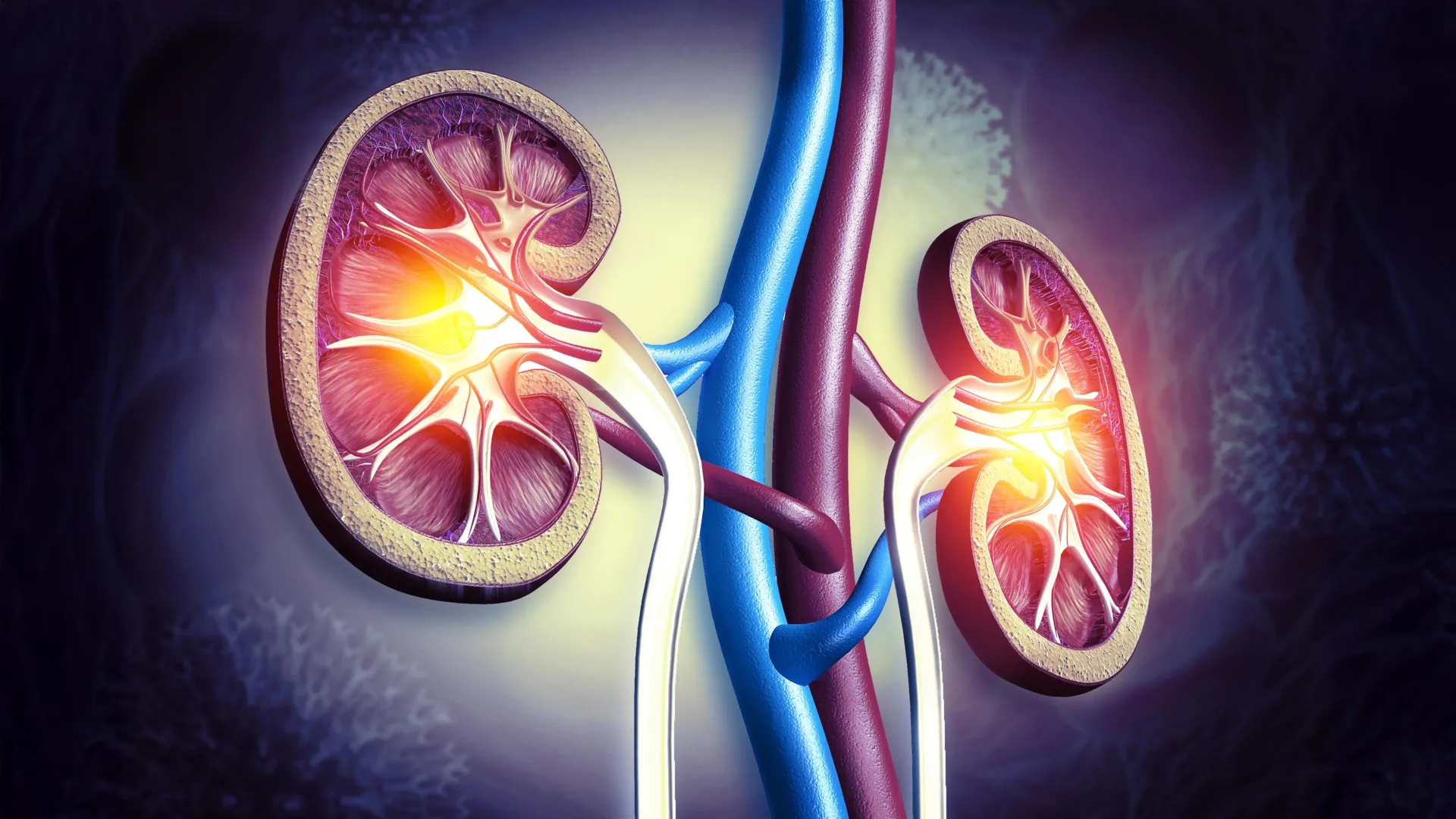
Could a Constipation Medication Be the Key to Slowing Kidney Disease Progression?
For millions worldwide, chronic kidney disease (CKD) represents a silent and frequently enough relentless health crisis. as kidney function declines, many ultimately require life-sustaining dialysis. Despite the widespread impact of this condition, a critical gap remains: the absence of approved therapies capable of restoring kidney function. Now, groundbreaking research from Tohoku University Graduate School of Medicine, led by Professor Takaaki abe, offers a surprising and perhaps transformative approach – repurposing a common constipation medication, lubiprostone, to slow the progression of CKD. This isn’t just about symptom management; it’s about potentially altering the course of the disease.
But how can a drug designed to relieve constipation impact kidney health? The answer, it turns out, lies in the intricate connection between our gut microbiome and overall well-being.
The Gut-Kidney Connection: An Unexpected Link
Professor Abe’s team didn’t stumble upon this discovery by chance. “We noticed that constipation is a symptom that often accompanies CKD, and decided to investigate this link further,” explains Abe. This observation sparked a crucial line of inquiry: could disruptions in the intestinal microbiota, frequently caused by constipation, be worsening kidney function? The hypothesis proved remarkably accurate. By addressing constipation, researchers theorized they could positively influence kidney health.
This concept aligns with growing scientific understanding of the gut-kidney axis. A 2023 review published in Nature Reviews Nephrology highlights the bidirectional relationship between gut dysbiosis (an imbalance in gut bacteria) and CKD progression. https://www.nature.com/articles/s41569-023-00831-x The gut microbiome influences systemic inflammation, metabolic processes, and the production of uremic toxins - all factors intricately linked to kidney disease.
Lubiprostone: A Promising Result from the LUBI-CKD trial
To rigorously test their hypothesis, the research team conducted a multicenter, double-blind, placebo-controlled Phase II clinical study – the LUBI-CKD TRIAL – across nine medical facilities in Japan. The trial involved 150 individuals diagnosed with moderate CKD (stages 3a-3b). Participants were randomly assigned to receive either a placebo or 8 µg or 16 µg of lubiprostone daily.
the results were compelling. Compared to the placebo group, patients receiving lubiprostone experienced a statistically significant slower decline in kidney function. This was measured using the estimated glomerular filtration rate (eGFR), the gold standard for assessing kidney performance. A smaller decline in eGFR translates to preserved kidney function for a longer period.
Key Findings from the LUBI-CKD Trial:
* Slower eGFR Decline: Lubiprostone slowed the rate of eGFR decline compared to placebo.
* dosage Matters: Both 8 µg and 16 µg dosages demonstrated positive effects, suggesting a dose-response relationship.
* Improved Gut Health: Lubiprostone was shown to positively modulate the gut microbiome.
The Science Behind the Benefit: Spermidine and mitochondrial Function
but how does lubiprostone achieve this renoprotective effect? The research team delved deeper, uncovering a interesting mechanism. Lubiprostone stimulates the production of spermidine, a naturally occurring polyamine.Spermidine plays a vital role in enhancing mitochondrial activity – the powerhouses of our cells.
Improved mitochondrial function is crucial for kidney health. Damaged mitochondria contribute to oxidative stress and inflammation,accelerating kidney damage. By boosting spermidine levels and revitalizing mitochondria, lubiprostone appears to limit further kidney deterioration. this aligns with recent research demonstrating spermidine’s potential to promote longevity and cellular health. https://www.ncbi.nlm.nih.gov/pmc/articles/PMC6266798/
What Does This Mean for the Future of CKD Treatment?
The findings from the LUBI-CKD trial represent a paradigm shift in how we approach CKD. Current therapies largely focus on managing symptoms and slowing progression by controlling blood pressure and reducing uremic toxin buildup. Lubiprostone offers a novel strategy – targeting the gut microbiome to protect kidney function.
Professor Abe’s team is already planning a larger Phase 3 clinical trial to validate these findings in a broader population. They are also focused on identifying biomarkers that can predict wich patients are most likely to respond to lubiprostone treatment. This
Worth a look