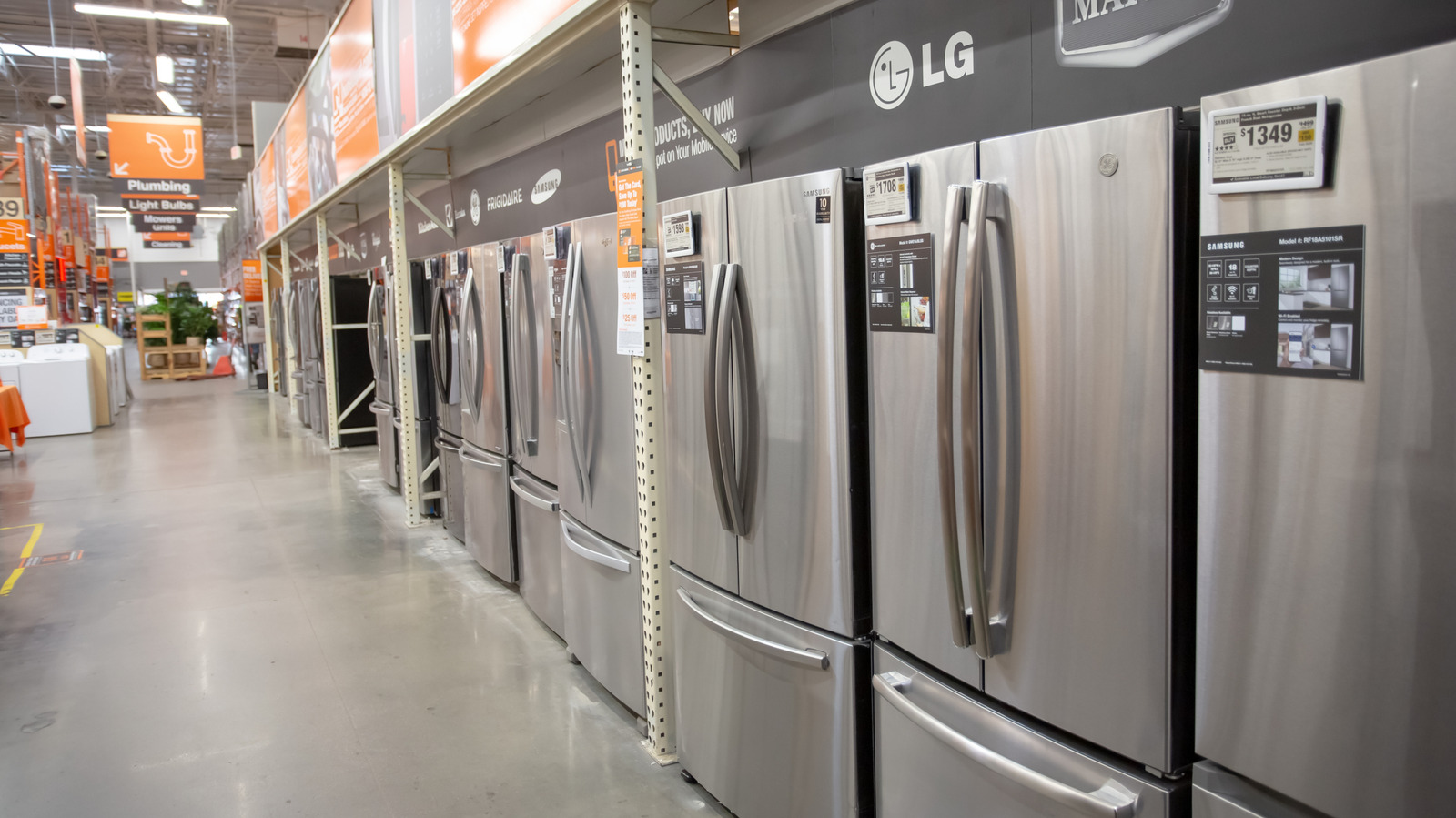
Finding a reliable refrigerator often feels like a gamble between high-end features and long-term durability. However, recent testing has identified a clear winner for those seeking a balance of performance and value in a compact footprint. An LG bottom-freezer refrigerator has been ranked as the best in its class by Consumer Reports, signaling a strong win for consumers prioritizing temperature stability and energy efficiency.
For many homeowners, the choice of refrigerator configuration is driven by kitchen dimensions and budget. While French-door models often dominate marketing campaigns with their expansive layouts and integrated screens, the bottom-freezer design remains a pragmatic favorite. These units typically offer easier access to fresh food—the most frequently used section—while remaining more budget-friendly and cost-effective to operate.
The LG 33-inch wide bottom-freezer model specifically stood out in rigorous lab tests, outperforming its closest competitors by a significant margin. This ranking is particularly notable given the general volatility of appliance reliability ratings in recent years, positioning this specific model as a benchmark for the 33-inch category.
The Science of Cold: How the Testing Works
The ranking is not based on superficial features or brand prestige, but on massive datasets. To determine the best models, test engineers collect more than 5.4 million temperature readings per refrigerator. This exhaustive process ensures that “best in class” refers to actual thermal performance rather than manufacturer claims.

Temperature uniformity is the gold standard for food safety and longevity. When a refrigerator maintains a consistent temperature across all shelves and bins, it prevents “hot spots” where food can spoil prematurely or “cold spots” where produce might freeze. The LG model earned top marks in this category, alongside high scores for thermostat performance, which measures how accurately the appliance maintains the user-set temperature.
Key Performance Drivers of the LG Model
Beyond temperature control, the LG bottom-freezer refrigerator excelled in several practical categories that impact daily ownership. Energy efficiency was a primary highlight, with the unit carrying an Energy Star rating, which indicates it meets strict energy-efficiency guidelines set by the U.S. Environmental Protection Agency. This results in lower monthly utility bills compared to non-certified models.
The unit’s internal architecture also contributes to its high ranking. It utilizes the LG Multi-Air Flow System, designed to circulate cool air more evenly throughout the interior to maintain food freshness. Other verified features include:
- Adjustable Shelving: Allowing for flexible storage of oversized items.
- LED Lighting: Providing clear visibility without generating the heat associated with older bulb types.
- Door Cooling: Specialized vents that target the door bins, where temperatures typically fluctuate the most.
Operating noise was another area where the LG model performed well, making it a suitable choice for open-concept living spaces where the hum of a refrigerator can become a distraction.
Balancing the Pros and Cons
No appliance is without its drawbacks, and the Consumer Reports evaluation noted a few areas for improvement. While the overall performance was exemplary, the tests highlighted issues with the appliance’s crisper bins. For users who store large quantities of delicate leafy greens or highly sensitive produce, this may be a point of consideration.
There is also a divergence between lab results and some user experiences. While the engineering tests praise the unit’s performance, some owner feedback on LG’s official platforms has been more mixed. Some users have reported malfunctions or expressed dissatisfaction with customer service response times. This gap is common in the appliance industry, where a model may perform perfectly in a controlled lab environment but encounter variables in real-world home installations.
Reliability: Bottom-Freezers vs. French Doors
One of the most revealing aspects of recent appliance data is the reliability gap between different refrigerator styles. In many cases, the simpler the design, the longer the lifespan. Consumer Reports’ member surveys indicate that bottom-freezer refrigerators tend to offer better reliability than their more complex counterparts.

This trend is evident even within a single brand. For instance, while LG’s French-door models have historically received middling reliability ratings, their bottom-freezer line has achieved exemplary scores. This is largely because bottom-freezers have fewer failure points—such as complex through-the-door ice and water dispensers—which are often the primary source of leaks and mechanical breakdowns in high-end models.
For the budget-conscious shopper, the bottom-freezer configuration provides a strategic advantage. These units typically start at 24 inches and go up to 33 inches wide, making them ideal for tight kitchen layouts without sacrificing the reliability associated with simpler cooling systems.
What This Means for the Global Consumer
The recognition of the LG 33-inch model underscores a broader shift in consumer electronics: the return to “functional excellence” over “feature bloat.” As energy costs rise globally, the combination of an Energy Star rating and superior thermostat performance makes this model a highly practical investment.
For those currently shopping for a new appliance, the takeaway is clear: prioritize thermal uniformity and reliability over aesthetic add-ons. A refrigerator that keeps food fresh longer and requires fewer repairs provides more long-term value than one with a smart screen or an integrated dispenser that may fail within a few years.
Consumers looking to verify these ratings or compare other top-scoring models from brands like Amana, Hisense, Miele, or Whirlpool can access the full lab-tested datasets at Consumer Reports.
The next major update to these appliance rankings is expected following the next cycle of annual lab tests, which typically incorporate new models released for the upcoming year. Stay tuned for further analysis on how these energy-efficient models hold up over multi-year ownership periods.
Do you prioritize reliability or features when shopping for kitchen appliances? Share your experiences with LG or other brands in the comments below.
Worth a look