
For many of us, the name Jumanji evokes the image of a dusty, mysterious board game and the visceral fear of a stampeding rhino in a living room. The original 1995 film was a masterclass in tension and practical effects, anchored by a powerhouse performance from Robin Williams. For years, the franchise remained a nostalgic touchstone, a cautionary tale about the dangers of a game that plays you.
However, the 2017 reboot, Jumanji: Welcome to the Jungle, managed a feat few remakes achieve: it didn’t just replicate the magic of the original; it completely reimagined the premise for a new generation. By swapping a tabletop board game for a retro video game console, the film transformed a story of survival into a high-concept comedy about identity, courage and the absurdity of adult expectations.
Now streaming on Netflix, Jumanji: Welcome to the Jungle continues to attract audiences worldwide. Its success lies in its ability to blend adrenaline-pumping action with a heartfelt core, proving that the spirit of adventure is timeless, even when the medium changes from cardboard to pixels.
As an entertainment editor who has watched countless franchises struggle to find their footing in the reboot era, I find this particular iteration fascinating. It avoids the trap of unnecessary sentimentality and instead leans into the comedic potential of its premise. This proves a rare example of a “legacy sequel” that feels like a fresh start rather than a cash grab.
A Digital Evolution of a Classic Tale
The brilliance of Welcome to the Jungle lies in its narrative pivot. Rather than attempting to outdo the supernatural chaos of the first film, the writers shifted the mythology. In this version, the enchanted game has evolved into a 1990s-style video game. When four disparate high school students are sucked into the console, they don’t just enter a jungle—they inhabit “avatars” that are the polar opposites of their real-world personalities.
This “body-swap” mechanic serves as the engine for both the humor and the emotional growth in the story. A shy, anxious teenager becomes a towering, confident action hero; a popular, athletic girl becomes a middle-aged cartographer; a vain socialite becomes a sturdy zoologist; and a sarcastic outcast becomes a diminutive, fast-talking weapon specialist. This setup allows the film to explore themes of self-perception and the masks people wear in high school, all while maintaining the pace of a summer blockbuster.
The production design effectively bridges the gap between the organic dangers of the jungle and the artificial logic of a video game. From the “three lives” system—represented by glowing bars on the characters’ wrists—to the quest-driven plot to return a magical jewel, the film pays homage to classic gaming tropes without alienating viewers who aren’t gamers. This intersection of nostalgia for the 90s and modern CGI spectacle makes it a cross-generational hit.
The Chemistry of a Star-Studded Cast
While the premise is clever, the film would have fallen flat without its eclectic cast. The chemistry between Dwayne Johnson, Kevin Hart, Jack Black, and Karen Gillan is the true heart of the movie. The humor doesn’t come from the jokes themselves, but from the friction between the adult actors playing teenagers trapped in adult bodies.
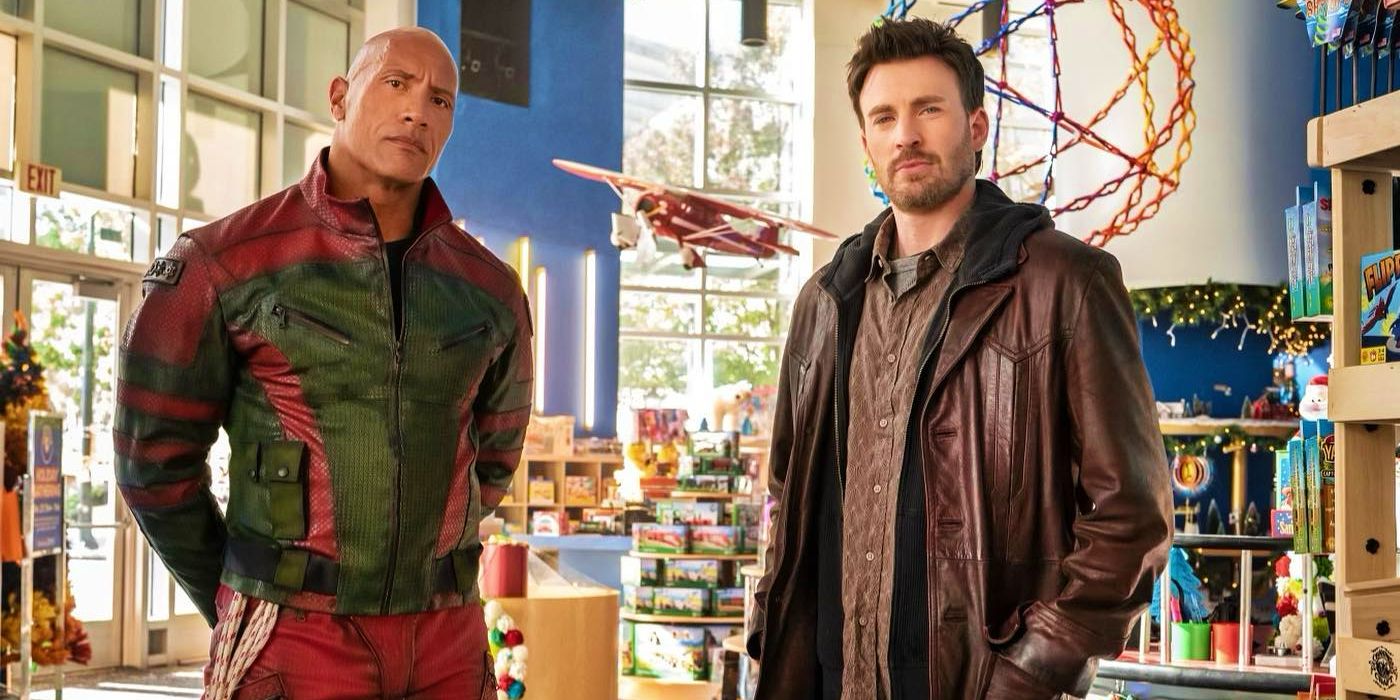
Dwayne Johnson provides the necessary grounding as Dr. Smolder Bravestone, playing the “action hero” archetype with a wink and a nod to his own public persona. However, it is the interplay between Johnson and Kevin Hart that drives the film’s comedic timing. Hart’s frantic energy as Franklin “Mouse” Finbar provides a perfect foil to Johnson’s stoicism, creating a buddy-comedy dynamic that feels organic and effortless.
Jack Black delivers perhaps the most nuanced performance, portraying a teenage girl trapped in the body of a middle-aged man. Black leans into the femininity of the character without turning it into a caricature, finding a genuine sweetness and vulnerability that balances the film’s louder moments. Karen Gillan rounds out the group as Ruby Roundhouse, evolving from a perceived “damsel in distress” into a formidable warrior, mirroring the internal growth of the teenager she represents.
Why the Reboot Resonates with Modern Audiences
In an era of cinematic universes and endless sequels, Welcome to the Jungle succeeds because it understands its own identity. It doesn’t try to be a gritty reimagining; it embraces being an “undemanding yet solidly entertaining” adventure. According to the Rotten Tomatoes critical consensus, the film utilizes its charming cast and humorous twist to offer a refreshing update on the source material.
The film’s appeal is rooted in its accessibility. It functions as a family-friendly experience that doesn’t talk down to children or bore adults. The stakes are clear, the pacing is brisk, and the resolution is satisfying. By focusing on the internal growth of its characters—teaching them that their perceived weaknesses in the real world are actually strengths in the game—the movie provides a subtle but effective moral lesson about authenticity.
the film’s success paved the way for the sequel, Jumanji: The Next Level, which further explored the concept of avatar swapping. This expansion proved that the “video game” logic was a sustainable engine for storytelling, allowing the franchise to evolve beyond the constraints of the original 1981 book by Chris Van Allsburg.
Streaming Access and the Legacy of Adventure
The transition of Jumanji: Welcome to the Jungle to Netflix has given it a second life. Streaming platforms allow these types of “comfort movies” to find a permanent home, where they can be revisited during holidays or family gatherings. For new viewers, it serves as an entry point into a franchise that spans decades, from the original 1995 film to the more recent entries.
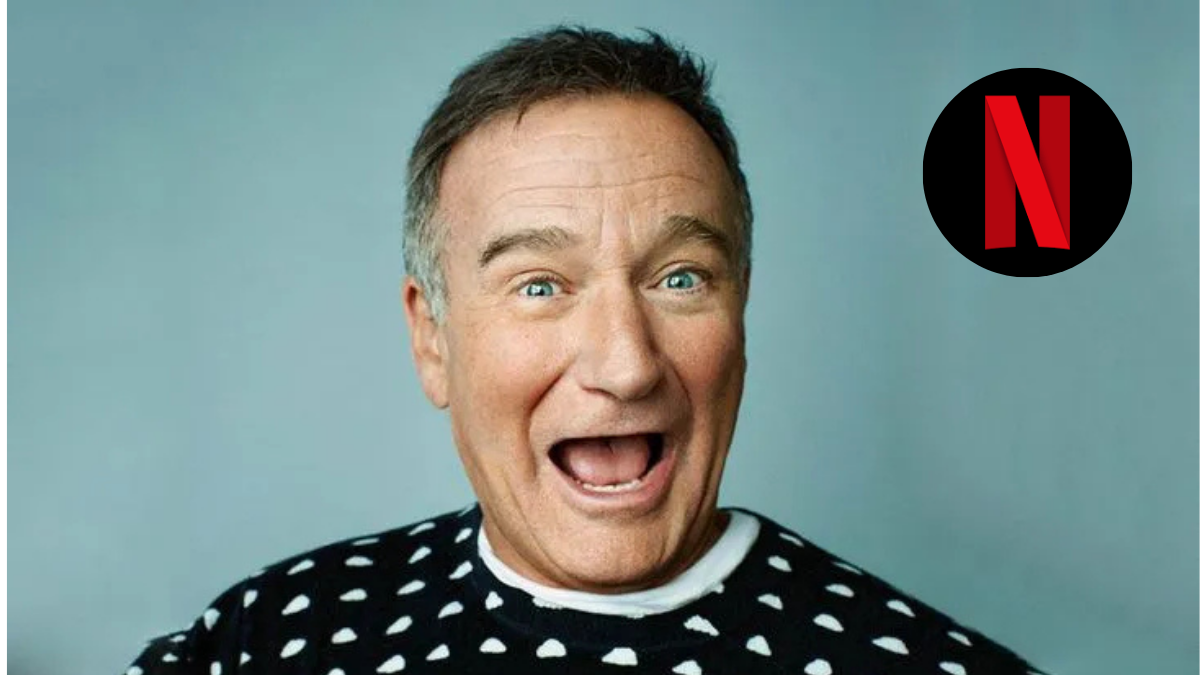
For those looking to dive into the series, the progression from the board game of the 90s to the digital world of the 2010s reflects the broader cultural shift in how we consume entertainment. We moved from the tactile experience of rolling dice to the immersive experience of virtual reality, and Jumanji mirrored that evolution perfectly.
Whether you are a fan of the original Robin Williams classic or a newcomer discovering the joy of Bravestone and Mouse, the film remains a testament to the power of a good premise executed with a great cast. It reminds us that sometimes, the best way to find out who you really are is to step into someone else’s shoes—even if those shoes belong to a jungle explorer or a zoologist.
Quick Guide to the Jumanji Experience
- Best For: Families, fans of action-comedies, and those seeking a lighthearted adventure.
- Key Themes: Identity, friendship, courage, and overcoming social anxiety.
- Where to Watch: Currently available for streaming on Netflix (availability may vary by region).
- Watch Order: While Welcome to the Jungle is a reboot, watching the 1995 original first provides a wonderful contrast in storytelling styles.
As the entertainment landscape continues to lean heavily on nostalgia, Jumanji: Welcome to the Jungle stands as a blueprint for how to do a reboot correctly. It respects the past while having the courage to change the rules of the game.
We want to hear from you. Do you prefer the tension of the original board game or the comedy of the video game avatars? Share your thoughts in the comments below or join the conversation on our social media channels.
Worth a look