
With the 2026 rainy season speedy approaching, the Senegalese government is racing against the clock to finalize a critical network of drainage infrastructure across Dakar. The capital, characterized by its high population density and geographic vulnerability, faces a recurring struggle with urban flooding that threatens both economic stability and public health every year during the hivernage.
Minister of Water and Sanitation Cheikh Tidiane Dieye has indicated that the city’s drainage works are nearly ready, signaling a strategic push to mitigate the impact of the upcoming rains. This effort is not merely about emergency dredging but represents a broader transition toward sustainable urban water management in one of West Africa’s most vital economic hubs.
For the residents of Dakar and its sprawling suburbs, these infrastructure updates are more than a technical necessity; they are a matter of survival. The city’s unique position on the Cape Verde Peninsula makes it particularly susceptible to runoff, especially in peri-urban areas where rapid growth has often outpaced the development of formal sewage and drainage systems.
The Race to Readiness: Securing Dakar Before June
The window for flood preparation in Senegal is narrow. Meteorological patterns typically place the start of the rainy season in late June, with the highest risks of severe flooding persisting from early July through mid-October. To combat this, the Office National de l’Assainissement du Sénégal (ONAS) has intensified its operations, deploying heavy machinery and technical teams to clear critical bottlenecks in the city’s water channels.
Minister Cheikh Tidiane Dieye has emphasized that the current phase of preparation focuses on ensuring that all primary and secondary drainage outlets are fully operational. This includes the dredging of silt and the removal of solid waste from reservoirs and culverts, which often become blocked, turning streets into rivers during heavy downpours. The focus is particularly acute in flood-prone suburbs such as Guediawaye and Pikine, where historical lack of infrastructure has left thousands of households vulnerable.
The “nearly ready” status of these works suggests that the government is prioritizing the final connectivity of the drainage network—ensuring that water captured in urban centers has a clear, unobstructed path to the sea or designated retention basins. This prevents the “pooling effect” that typically paralyzes Dakar’s transport arteries and damages private property.
From Emergency Response to Long-Term Resilience
While annual dredging is a necessary stopgap, the Senegalese government has shifted its strategy toward permanent, high-capacity infrastructure. Central to this evolution is the Stormwater Management and Climate Change Adaptation Project (PROGEP) and its successor, PROGEP2.
PROGEP2, which continues through 2026, marks a departure from traditional “gray infrastructure” by integrating nature-based solutions and green infrastructure. The goal is to reduce the reliance on pumps alone by utilizing sustainable urban drainage systems (SUDS) that allow for better water infiltration and managed runoff. This multi-year initiative is funded through a partnership involving the government of Senegal, the World Bank and the Nordic Development Fund.
The transition to PROGEP2 is critical because the vulnerability of Dakar’s urban settlements has been exacerbated by decades of weak planning. By integrating flood risk management directly into urban planning, the government aims to protect hundreds of thousands of residents—particularly women and children in marginalized peri-urban zones—from the recurrent trauma of losing their homes and livelihoods to floodwaters.
Strategic Focus Areas for 2026
- Peri-Urban Integration: Expanding drainage networks into the outskirts of Dakar to prevent runoff from flowing into lower-lying residential areas.
- Siltation Management: Implementing more rigorous schedules for the cleaning of drainage pipes and reservoirs to prevent the “clogging” that often occurs just before the first rains.
- Mechanical Reinforcement: The deployment of high-capacity suction trucks and water-pumping vehicles to handle unexpected surges in water volume.
The Economic Imperative of Flood Control
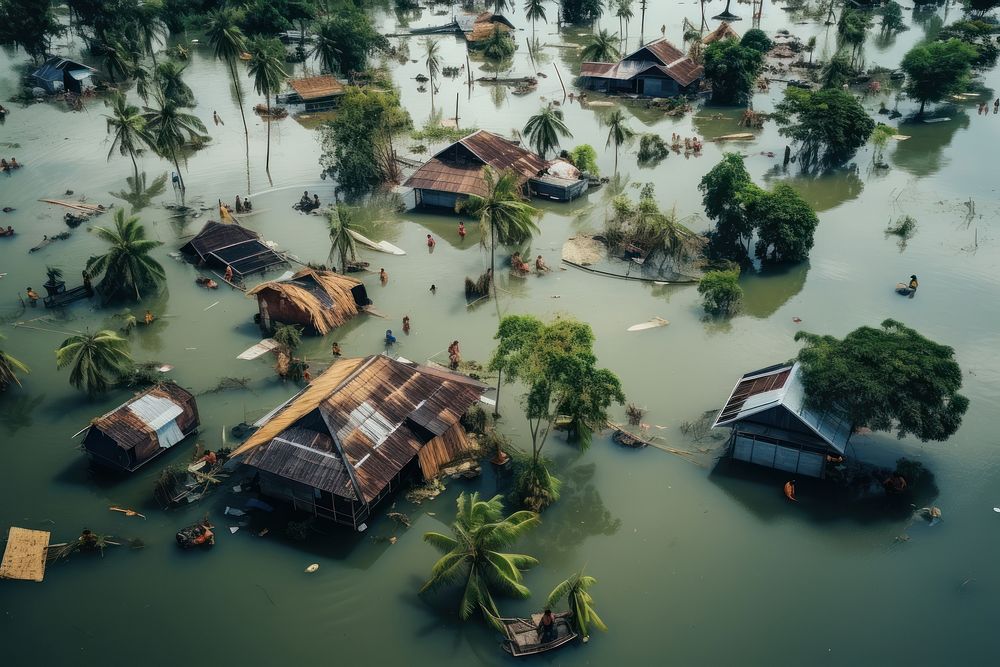
From a business and economic perspective, urban flooding in Dakar is an expensive crisis. When major roads are submerged, the movement of goods and services slows to a crawl, impacting everything from informal street commerce to large-scale industrial logistics. The economic losses associated with infrastructure damage and lost productivity have historically run into millions of dollars.
By stabilizing the drainage system, the government is effectively protecting the city’s economic engine. Reduced flooding means fewer disruptions to the supply chain and lower emergency expenditure for the state. The successful completion of these works improves the overall investment climate for the region, as reliable infrastructure is a primary requirement for sustainable business growth.
However, the technical success of these projects depends heavily on a factor that cannot be engineered: public cooperation. Minister Dieye has been vocal about the need for a “social contract” regarding sanitation. He has urged residents to stop the practice of using drainage channels as waste disposal sites, noting that even the most advanced drainage system can be rendered useless by a buildup of plastic waste and household debris.
Addressing the Human Impact
Beyond the spreadsheets and engineering blueprints, the readiness of Dakar’s drainage works is a human rights issue. In many of the city’s most vulnerable departments, flooding is not just an inconvenience; it is a catalyst for health crises. Stagnant water becomes a breeding ground for waterborne diseases and mosquitoes, increasing the incidence of malaria and cholera in densely populated neighborhoods.
The effort to have these works “ready” before the 2026 season is an attempt to break the cycle of annual displacement. For many families in areas like Dalifort-Foirail, the arrival of the rainy season has historically been a time of anxiety. The government’s current push aims to replace that anxiety with a sense of security, ensuring that the “water lives in peace” with the residents rather than acting as a destructive force.
Key Components of the Readiness Plan
| Action Item | Primary Responsibility | Objective |
|---|---|---|
| Dredging & Cleaning | ONAS / Local Municipalities | Remove silt and waste from culverts |
| Infrastructure Completion | Ministry of Water & Sanitation | Finalize PROGEP2 drainage outlets |
| Public Awareness | Government Communications | Prevent littering in waterways |
| Emergency Deployment | Technical Personnel/Heavy Machinery | Rapid response to localized flooding |
Looking Ahead: The June Deadline
As Dakar enters the final weeks of the pre-rainy season window, the focus remains on the “last mile” of infrastructure delivery. The assertions by Minister Cheikh Tidiane Dieye that the works are nearly ready provide a glimmer of optimism, but the true test will come with the first significant rainfall of the 2026 season.
The success of this year’s preparations will likely be measured by the efficiency of water evacuation in the most critical “hotspots” of the capital. If the integration of PROGEP2’s long-term vision and ONAS’s immediate operational efforts holds, Dakar may see a significant reduction in the severity of urban flooding this year.
The next critical checkpoint will be the official government assessment of the drainage network’s capacity, expected just prior to the onset of the rains in late June. This assessment will determine if any further emergency interventions are required before the hivernage begins in earnest.
We invite our readers to share their perspectives on urban resilience and infrastructure in West Africa in the comments below. For further updates on global economic policy and infrastructure development, subscribe to the World Today Journal business newsletter.
Related reading