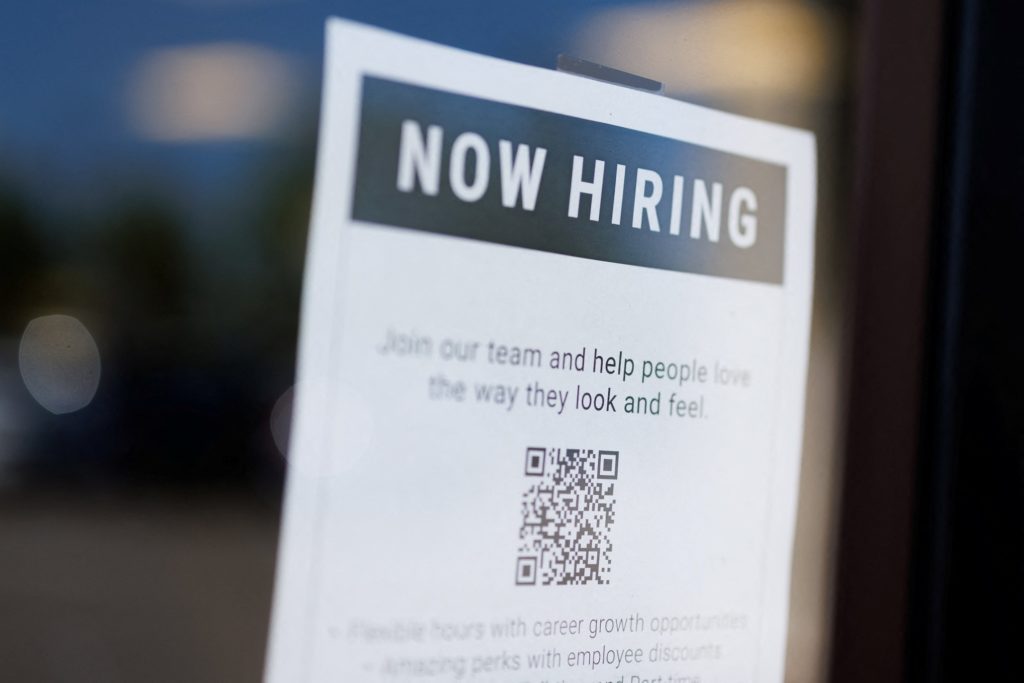
Decoding the Rise in Long-Term Unemployment: What It Means for You and the Economy
The economic landscape is constantly shifting, and recent data points to a concerning trend: a rise in long-term unemployment. This isn’t just a statistic; it has real-world implications for millions of Americans and signals potential headwinds for the broader economy. Let’s break down what’s happening, why it matters, and what it could mean for your financial future.
What is Long-Term Unemployment?
Simply put,long-term unemployment refers to individuals who have been actively seeking work for 27 weeks or more. Currently, nearly two million Americans fall into this category, representing roughly a quarter of all unemployed individuals.This is a significant number, and its recent increase is drawing attention from economists and policymakers alike.
Why the Increase Matters to You
This isn’t a situation where people are briefly between jobs. These are individuals facing prolonged hardship, potentially exhausting their unemployment benefits and struggling to maintain their financial stability. Consider these key impacts:
* Financial Strain: Extended unemployment erodes savings and can lead to debt accumulation.
* Skill Erosion: The longer someone is out of work, the more their skills can become outdated, making re-entry into the workforce more challenging.
* Psychological Impact: Prolonged joblessness can take a toll on mental health and overall well-being.
* Economic drag: A large pool of long-term unemployed individuals reduces consumer spending and overall economic activity.
A Broader economic Signal
The rise in long-term unemployment isn’t happening in a vacuum. It’s one of several indicators suggesting a slowdown in the labor market. It’s a signal that the economy is losing some of its momentum.
Here’s how it connects to the bigger picture:
* Federal Reserve Response: The Federal Reserve recently cut interest rates, partly due to concerns about the weakening job market, even with inflation remaining above target.
* Delayed Reporting: Economic data ofen lags, meaning the full extent of the slowdown may not be immediately apparent.
* Increased Uncertainty: Experts acknowledge a higher-than-usual level of uncertainty surrounding the current economic outlook.
will There Be Another Interest Rate Cut?
The question on many minds is weather the Federal Reserve will cut interest rates again in January.While the current rise in long-term unemployment doesn’t guarantee another cut, it certainly adds to the pressure. However, it wasn’t substantial enough to trigger immediate action. Another jobs report will be crucial in informing the Fed’s decision. They appear to believe their current actions are sufficient for now, but the situation remains fluid.
The Overall Health of the Economy
Taken together, these factors paint a picture of a weakening economy.The labor market, where most people earn their income, is demonstrably slowing down. It’s a worrisome sign, and the extent of the slowdown remains uncertain.
As one economist recently noted, there’s more uncertainty than usual in interpreting these signals. We’ll need to closely monitor the economic data in the coming months to get a clearer understanding of the path ahead.
Staying Informed and prepared
Navigating economic uncertainty requires staying informed and taking proactive steps to protect your financial well-being. Keep a close eye on economic news, review your budget, and consider building an emergency fund if you haven’t already. Remember, understanding the economic landscape empowers you to make informed decisions and prepare for whatever the future may hold.
Related reading