
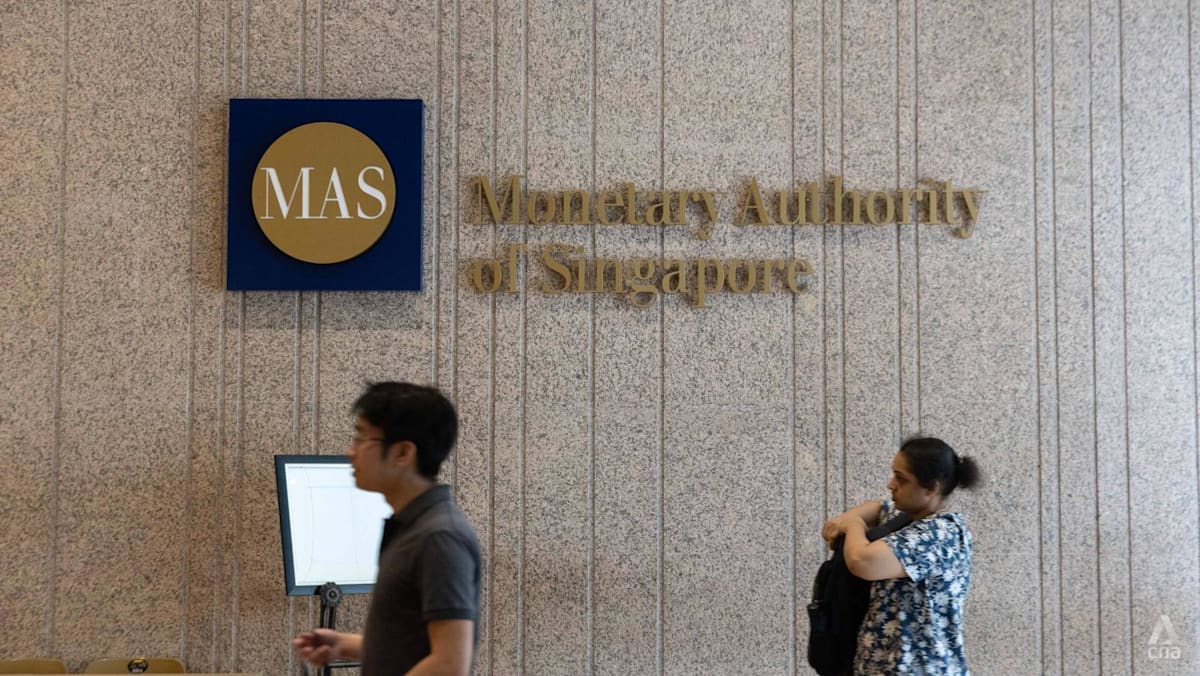
The Monetary Authority of Singapore (MAS) has moved to tighten its monetary policy, signaling a more aggressive stance against rising price pressures. In a strategic shift to maintain economic stability, the authority has revised its inflation outlook, raising the forecast for both core and headline inflation to a range of 1.5 to 2.5 per cent, up from the previous projection of 1 to 2 per cent.
This adjustment comes as policymakers grapple with persistent price volatility and the demand to anchor inflation expectations. By tightening policy, the MAS aims to curb the pace of price increases and ensure that the cost of living does not spiral, which could otherwise undermine the purchasing power of households and the competitiveness of the local economy.
The decision to raise the inflation forecast reflects a broader trend of global economic instability. As the authority monitors the interplay between domestic demand and external supply shocks, the shift to a 1.5 to 2.5 per cent target range indicates a belief that inflation will remain stickier than previously anticipated through 2026.
Understanding the Inflation Shift: Headline vs. Core
To understand the implications of the MAS’s updated forecast, it is essential to distinguish between the two metrics being tracked. Headline inflation is the broadest measure, capturing the total change in prices paid by consumers across all goods and services, including the full consumption basket such as food, energy, housing and medical care according to the Finance Primer.
Core inflation, however, is designed to highlight the underlying trend by stripping out volatile items—typically food and energy—which are prone to sharp swings caused by geopolitics or weather disruptions as noted by the St. Louis Fed. When the MAS raises the forecast for both, it suggests that price pressures are not merely the result of temporary spikes in oil or grain prices, but are embedded deeper into the economy.
The move to a 1.5 to 2.5 per cent range suggests that policymakers are seeing “persistent impulses” rather than short-term noise. This distinction is critical for business planning and government policy, as core inflation often serves as a better predictor of long-term price movements than headline figures.
Why Monetary Tightening Matters
Monetary tightening is the primary tool used by central banks and monetary authorities to cool down an overheating economy. By making borrowing more expensive or adjusting exchange rate bands, the MAS can reduce the amount of money circulating in the economy, thereby lowering demand and slowing the rate of price increases.
For the average consumer, this policy shift is intended to prevent the “cost-of-living” crisis from intensifying. While headline inflation captures the immediate impact on a household’s wallet, the focus on core inflation allows the MAS to address the structural drivers of price hikes, such as wage growth or service-sector costs.
The weighting of these categories is also a key factor in how these numbers are interpreted. Since indices assign weights based on typical household spending patterns, a rise in high-weight categories—such as housing or transportation—will move the headline inflation figure more significantly than a rise in rarely purchased items per the Finance Primer.
Impact on Stakeholders and the Global Economy
The decision to tighten policy and raise forecasts has immediate implications for several key groups:
- Consumers: While the goal is to stabilize prices long-term, the immediate effect of tighter monetary policy can lead to higher borrowing costs for loans, and mortgages.
- Businesses: Companies may face higher costs of capital, prompting a more cautious approach to expansion and investment.
- Investors: A tighter monetary environment often leads to shifts in asset valuations, as the “discount rate” used to value future cash flows increases.
On a global scale, Singapore’s move reflects a cautious approach to the macroeconomic environment. Because the city-state is highly open to trade, it is particularly susceptible to “imported inflation,” where price increases in other countries are passed on to local consumers through the cost of imported goods.
The Role of the Consumer Price Index (CPI)
The forecasts provided by the MAS are typically derived from the Consumer Price Index (CPI), which reflects price changes through a weighted basket of goods via Investopedia. By analyzing the CPI, the MAS can determine whether inflation is being driven by “goods shocks”—such as a shortage of semiconductors or shipping delays—or “service-price dynamics,” such as rising costs for healthcare and education.

The decision to raise the forecast to a maximum of 2.5 per cent suggests that the authority expects these pressures to persist well into 2026. This prevents the market from being blindsided by unexpected price jumps and provides a transparent roadmap for expectations.
| Measure | Previous Forecast | Latest Forecast (through 2026) |
|---|---|---|
| Headline Inflation | 1 to 2 per cent | 1.5 to 2.5 per cent |
| Core Inflation | 1 to 2 per cent | 1.5 to 2.5 per cent |
What Happens Next?
The MAS will continue to monitor the data to determine if further tightening is required. The effectiveness of this policy shift will be measured by whether the actual inflation rates align with the new 1.5 to 2.5 per cent range and whether the “underlying trend” of core inflation begins to stabilize.
Market participants and citizens should look for the next official monetary policy statement from the MAS for updates on the exchange rate policy and further revisions to the inflation outlook.
World Today Journal encourages readers to share this report and join the conversation in the comments section below regarding the impact of inflation on your local economy.