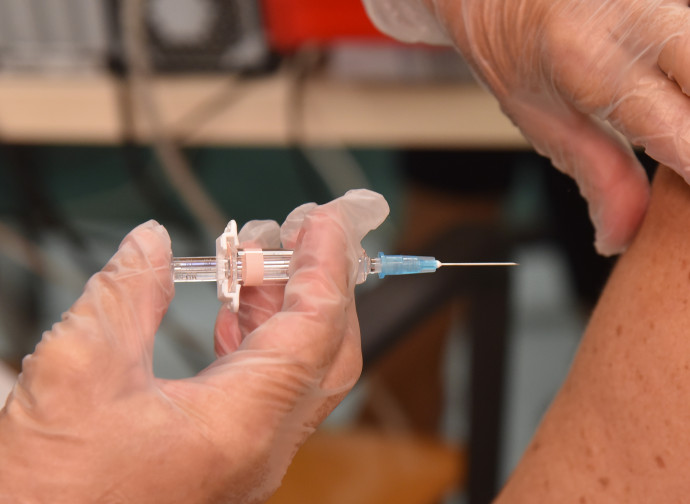
The question of whether COVID-19 vaccines could be linked to the development of new health problems has lingered for many, particularly those experiencing neurological or cardiovascular issues after vaccination. Often, patients report facing dismissive responses from healthcare providers, a trend some describe as increasingly prevalent within the medical community. However, emerging scientific evidence suggests a more nuanced picture, indicating that, in rare cases, COVID-19 vaccines can trigger autoimmune responses leading to specific health complications. Understanding these potential links, and the rigorous scientific investigation surrounding them, is crucial for both patients and medical professionals.
For much of the pandemic, a strong narrative of vaccine safety dominated public discourse. While the benefits of vaccination in preventing severe illness and death from COVID-19 remain overwhelmingly clear, a growing body of research is now acknowledging the possibility of rare adverse events. This isn’t to undermine the overall success of the vaccination campaigns, but rather to refine our understanding of the complex interplay between vaccines and the immune system. The focus is shifting towards identifying those at higher risk and developing strategies for early detection and management of potential complications.
Recent studies, including research published in the prestigious New England Journal of Medicine and highlighted in Nature, have identified a rare but potentially life-threatening condition linked to certain COVID-19 vaccines: vaccine-induced immune thrombocytopenia and thrombosis (VITT). This syndrome involves blood clots combined with low platelet counts, and was primarily associated with the AstraZeneca and Johnson & Johnson vaccines. These vaccines, utilizing an adenovirus vector, have since been largely withdrawn from leverage in many countries, including Italy, following the emergence of more effective mRNA-based alternatives. However, understanding the mechanisms behind VITT remains vital, as it provides insights into how vaccines can, in specific circumstances, trigger autoimmune responses.
The Mechanism Behind Vaccine-Induced Thrombosis
VITT, as the name suggests, is a condition where the body’s immune system mistakenly attacks platelets, leading to both blood clot formation and a decrease in platelet numbers. The research published in the New England Journal of Medicine pinpointed a key factor: the development of antibodies against platelet factor 4 (PF4) after vaccination with the AstraZeneca or Johnson & Johnson vaccines. These antibodies, in individuals with a specific genetic predisposition, can bind to PF4 and activate platelets, triggering the formation of dangerous blood clots. The study, led by researchers at Flinders University in Australia, demonstrated this process in both laboratory settings and animal models.
The adenovirus vector used in the AstraZeneca and Johnson & Johnson vaccines delivers genetic material into cells, prompting them to produce a harmless piece of the SARS-CoV-2 spike protein. This, in turn, stimulates an immune response, creating antibodies that protect against future infection. However, in a modest subset of individuals, the immune response goes awry, leading to the production of these problematic anti-PF4 antibodies. Researchers found that approximately 1 in 200,000 people who received these vaccines developed VITT. The risk was particularly elevated in younger individuals, prompting a shift in vaccination strategies in some countries, including Italy, where AstraZeneca was initially prioritized for teachers and law enforcement personnel before being reserved for older age groups.
Beyond VITT: Exploring Broader Autoimmune Links
While VITT represents the most well-defined autoimmune complication linked to COVID-19 vaccines, research is ongoing to investigate potential connections to other autoimmune conditions. A study published in Imbioacademy examined 17 individuals (aged 16-75) who developed health issues following COVID-19 vaccination (with mRNA or adenoviral vaccines). The study found that all 17 subjects exhibited signs of autoimmune-based dysautonomia – a malfunction of the autonomic nervous system – accompanied by persistent inflammation and abnormal levels of certain cytokines (IL-1 beta and IL-8). The researchers emphasized that these individuals had no prior history of autoimmune diseases or COVID-19 infection, and had negative PCR tests and lacked antibodies against the virus’s nucleocapsid protein, confirming that their immune response was triggered by the vaccine.
The autonomic nervous system regulates essential bodily functions like heart rate and blood pressure. Dysautonomia can manifest in a wide range of symptoms, including fatigue, dizziness, and cognitive difficulties. The study suggests that the vaccines may have triggered an autoimmune reaction in these individuals, leading to inflammation and disruption of autonomic function. It’s important to note that this was a small study, and further research is needed to confirm these findings and determine the prevalence of this phenomenon. However, it highlights the potential for vaccines to, in rare cases, initiate autoimmune processes.
research is exploring potential links between COVID-19 vaccination and neurological conditions. Microbiologia Italia reports that the immune system plays a crucial role in regulating neuronal function, and that vaccination can trigger neuropsychiatric responses. Conditions such as autoimmune encephalitis, mania, psychosis, and Guillain-Barré syndrome have been observed following vaccination, although establishing a definitive causal link remains challenging. The complexity lies in differentiating vaccine-induced effects from pre-existing conditions or coincidental occurrences.
The Importance of Vigilance and Ongoing Research
The findings regarding VITT and potential autoimmune complications underscore the critical importance of robust vaccine safety surveillance. Continuous monitoring of adverse events, coupled with rigorous scientific investigation, is essential for identifying rare risks and refining vaccination strategies. The initial rapid development and deployment of COVID-19 vaccines, while crucial in combating the pandemic, meant that long-term safety data was initially limited. Ongoing research is now filling those gaps, providing a more comprehensive understanding of the potential benefits, and risks.
The case of AstraZeneca also highlights the complexities of vaccine development and deployment. While the vaccine was initially deemed beneficial by the World Health Organization, despite reports of thrombosis with thrombocytopenia, its eventual withdrawal from the market demonstrates the need for flexibility and responsiveness in the face of emerging safety concerns. The WHO confirmed that the vaccine had been administered in over 150 countries, and that the benefits of vaccination outweighed the risks, but the subsequent identification of VITT led to a reassessment of its risk-benefit profile.
It’s crucial to avoid simplistic narratives and acknowledge the inherent trade-offs involved in vaccination. Vaccines are not without risk, but the risks associated with COVID-19 infection – including severe illness, hospitalization, long COVID, and death – are demonstrably higher for unvaccinated individuals. The goal is not to demonize vaccines, but to optimize their safety and effectiveness through ongoing research, vigilant surveillance, and informed decision-making.
Key Takeaways
- COVID-19 vaccines, while overwhelmingly safe and effective, have been linked to rare autoimmune complications, such as vaccine-induced immune thrombocytopenia and thrombosis (VITT).
- VITT is primarily associated with the AstraZeneca and Johnson & Johnson vaccines and involves the development of antibodies against platelet factor 4 (PF4).
- Research suggests that COVID-19 vaccination may, in rare cases, trigger autoimmune dysautonomia, affecting the autonomic nervous system.
- Ongoing vaccine safety surveillance and research are crucial for identifying and mitigating potential risks.
- The benefits of vaccination continue to outweigh the risks for most individuals, but informed decision-making is essential.
The scientific community continues to investigate the complex relationship between COVID-19 vaccines and the immune system. Future research will focus on identifying individuals at higher risk of adverse events, developing strategies for early detection and management of complications, and refining vaccine formulations to minimize potential risks. The next steps involve larger-scale studies to validate the findings of smaller investigations and to explore the long-term effects of vaccination. Readers are encouraged to stay informed through reputable sources and to discuss any concerns with their healthcare providers.
Related reading
- Since the provided text is only a small snippet of a larger story (mentioning Doctor Bustillo and Doctor Pedro over a span of four decades), it lacks the specific subject matter needed for a high-ranking SEO title. However, based on the context of medical legacy, nostalgia, and long-term professional relationships, here are the best options depending on the actual goal of the article: Option 1: Story-driven/Emotional (Best for Blogs/Memoirs) The Lasting Impact of Mentorship: Remembering Doctor Bustillo and Doctor Pedro Option 2: Professional/Biographical (Best for Institutional sites) Four Decades of Excellence: The Legacy of Doctor Bustillo and Doctor Pedro Option 3: SEO-Optimized/Broad (Best for Search Traffic) Medical Legacies: Honoring the Influence of Dr. Bustillo and Dr. Pedro If you provide the full article or the main topic (e.g., is it a tribute, a history of a clinic, or a personal memoir?), I can give you a 100% precise “perfect” title.
- Oxford University Begins Human Trials for ChAdOx1 Ebola Vaccine