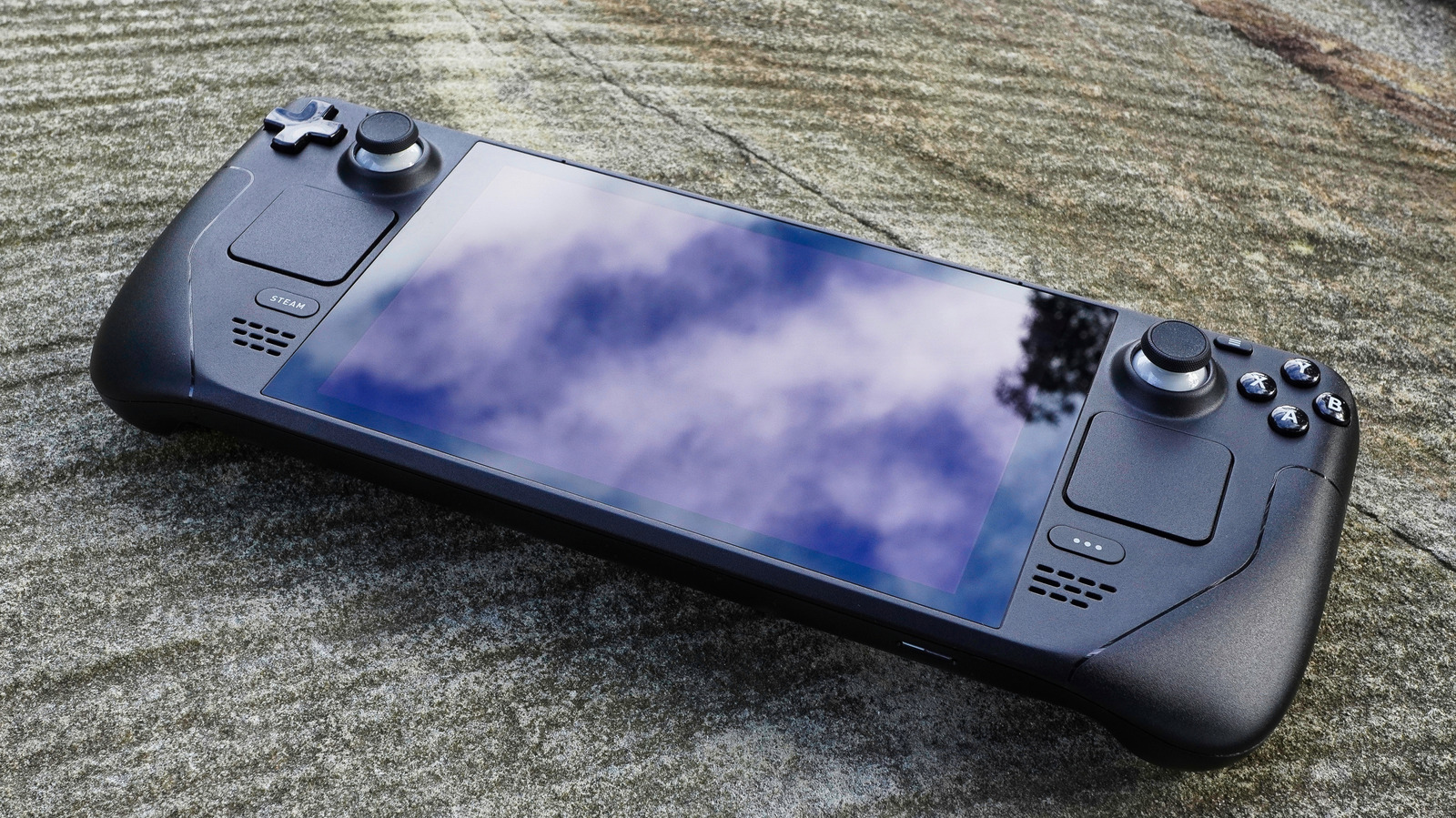
Steam Deck Prices Rise in Asia Amidst Global Supply Chain Pressures
Handheld gaming is facing a price adjustment. Valve’s popular Steam Deck is now more expensive for consumers in Asia, following a recent announcement from Komodo, the official distributor for Japan and other key markets in the region. The price increase, roughly equivalent to $100 USD, impacts all models and takes effect on March 6th, offering a limited window for potential buyers to secure a unit at the current price point. This development arrives as demand for the Steam Deck OLED remains high and broader economic factors, particularly those related to the artificial intelligence boom, are impacting the supply chain for critical components.
The price hike is a concerning sign for gamers, especially given the Steam Deck’s position as a competitively priced option in the handheld gaming market. While the initial increase is limited to Asian territories, the potential for wider spread adjustments looms large as stock levels dwindle globally. The situation highlights the interconnectedness of the tech industry and the ripple effects of demand in emerging sectors like AI on established consumer products.
Komodo Cites Logistics and Currency Fluctuations
According to a statement released by Komodo, the price increase isn’t directly tied to rising RAM costs, though the broader impact of AI-driven demand on component pricing is acknowledged. Instead, the distributor attributes the adjustment to increased shipping and logistics expenses, the rising cost of storage and handling the devices, and currency volatility within import-dependent markets. The official announcement, available on the Komodo Station website, details the specific price changes taking effect on March 6th. Komodo Station confirmed the price adjustments on February 27, 2026.
Specifically, the 512GB OLED model will now cost ¥99,800 (approximately $665 USD as of February 27, 2026), up from ¥84,800 (approximately $565 USD). The 1TB OLED version will retail for ¥114,800 (approximately $765 USD), an increase from ¥99,800 (approximately $665 USD). These figures represent a roughly 18% increase across both storage configurations in Japan. The exchange rate used for these conversions is based on data from the Bank of Japan as of February 27, 2026.
The Broader Impact of AI on Hardware Costs
The Steam Deck price increase arrives against a backdrop of escalating costs for key hardware components, largely driven by the surging demand for resources to support artificial intelligence development. Data center GPUs, high-finish memory, and advanced packaging are all experiencing significant pressure, as chipmakers prioritize production for AI applications. A report from BGR highlighted how AI-driven demand is already causing RAM prices to skyrocket, impacting a wide range of consumer electronics. BGR reported on the impact of AI on RAM prices in late 2025.
DRAM prices, in particular, have seen a substantial increase, with some reports indicating a surge of 171% as of early 2026. BGR detailed the DRAM price surge, linking it directly to the growing demands of AI infrastructure. This trend suggests that the price increases seen with the Steam Deck may not be isolated, and could potentially spread to other gaming consoles and PC hardware as manufacturers grapple with higher component costs and limited supply.
Steam Deck’s Competitive Position and Future Outlook
The Steam Deck has consistently been lauded for offering a compelling performance-to-price ratio within the handheld gaming console market. BGR previously ranked the Steam Deck among the best handheld consoles available, citing its versatility and value. BGR’s ranking of handheld gaming consoles placed the Steam Deck as a strong contender in the market. However, this advantage could be eroded if the current price increase is mirrored in other regions.
The combination of rising prices and dwindling stock levels presents a challenge for Valve and its distribution partners. While the company has not yet commented directly on the potential for price increases outside of Asia, the global supply chain constraints suggest that further adjustments may be unavoidable. Gamers considering a Steam Deck purchase are advised to monitor the situation closely and act quickly if they wish to secure a unit at the current price.
Key Takeaways
- Price Increase: The Steam Deck is now more expensive in Asia, with a roughly $100 USD increase across all models.
- Effective Date: The price hike takes effect on March 6, 2026.
- Contributing Factors: Komodo cites increased logistics costs, storage expenses, and currency fluctuations as primary drivers.
- AI Impact: The broader tech industry is facing component shortages and price increases due to the surging demand for AI infrastructure.
- Global Implications: The price increase could spread to other regions if supply chain pressures persist.
Looking ahead, the situation will likely depend on the evolution of the global semiconductor market and the continued demand for AI-related hardware. Valve has not announced any further price adjustments as of February 27, 2026, but the company is expected to provide updates on supply chain conditions in the coming weeks. Gamers should continue to monitor official announcements from Valve and Komodo for the latest information. The next major update is anticipated during Valve’s planned Q1 2026 financial briefing, scheduled for April 2026.
What are your thoughts on the Steam Deck price increase? Share your opinions and experiences in the comments below. And if you found this article informative, please share it with your fellow gamers!
Keep reading