
The landscape of modern surfing is undergoing a significant shift. For years, the industry’s narrative has been centered on the democratization of the sport—using engineering to bring ocean-quality waves to landlocked regions. However, a new project on Long Island is challenging that paradigm by focusing on an entirely different demographic: the luxury consumer. The proposed New York surf club is aiming to provide a high-end, private-member experience that mirrors the exclusivity of a traditional country club, marking a bold move in the evolving world of manmade wave technology.
As this development moves through its critical planning and financing stages, it has sparked considerable conversation regarding the future of surf parks. With a reported initiation fee reaching $50,000 and recurring monthly dues of approximately $1,500, the project is positioning itself as a boutique alternative to the public-access wave pools currently emerging across the United States. While the project is estimated to carry a total construction cost of roughly $60 million, its primary value proposition is not just the wave itself, but the promise of guaranteed, scheduled, and uncrowded access for its members.
View this post on Instagram
The Business Model of Exclusivity
At the heart of the project is a strategy that prioritizes time management and privacy. By capping the total membership at 500 individuals, the facility intends to eliminate the crowded lineups that define the typical surfing experience. According to leadership, the goal is to offer a consistent, predictable environment where high-net-worth individuals can secure a private session without the unpredictability of ocean conditions or the density of public breaks. This “time-as-a-commodity” approach is a distinct departure from the high-volume models seen in other commercial surf parks.
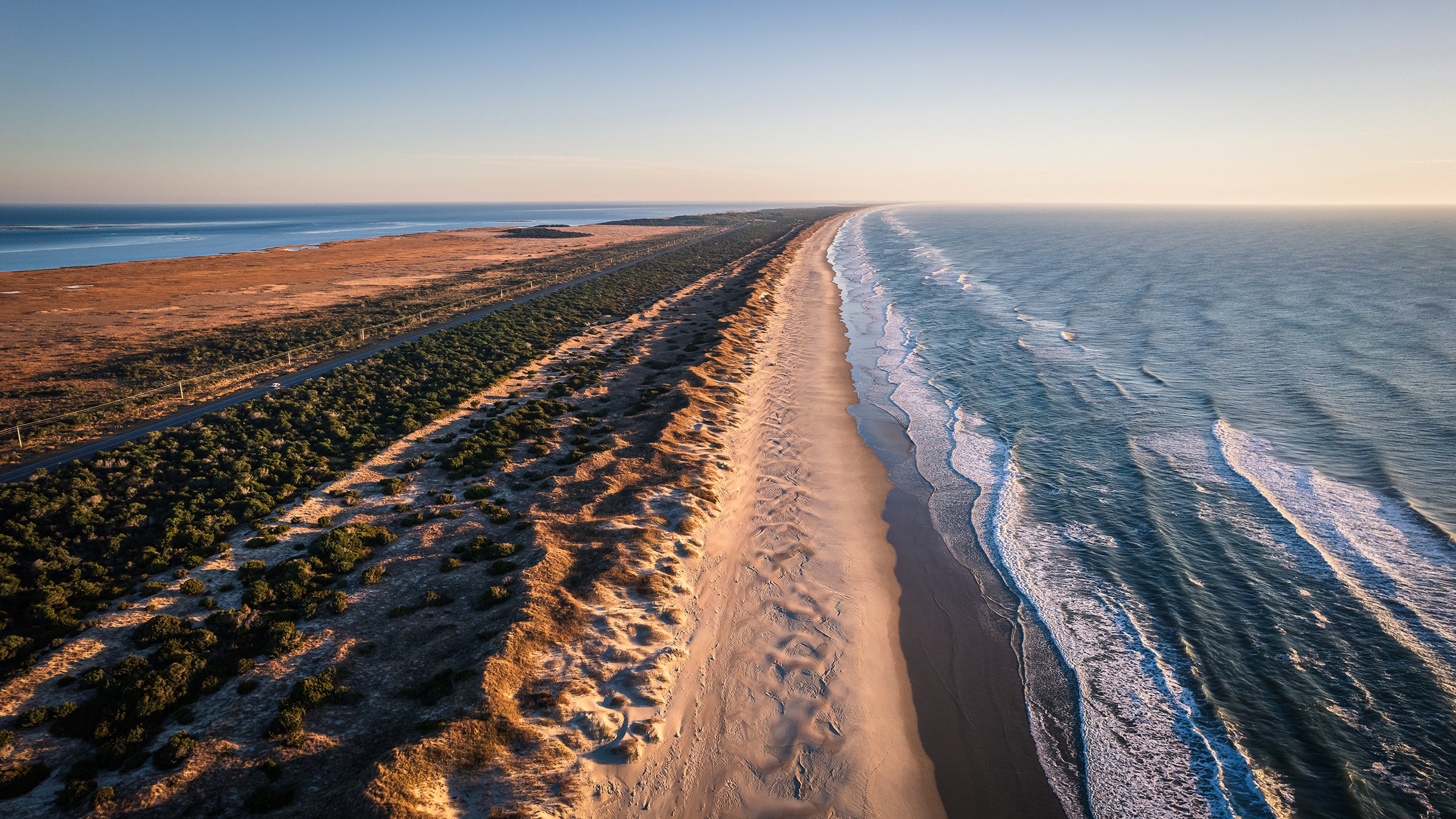
The facility is designed to be a year-round, heated operation, ensuring that the seasonal nature of East Coast surfing does not impact the member experience. By leveraging proprietary pneumatic technology, the developers aim to deliver a variety of wave profiles within a single session. This customization allows users to build “wave playlists,” a feature that highlights the technical ambitions of the engineering team. By controlling every variable of the ride, the club hopes to justify its premium pricing structure to a target audience that values convenience and exclusivity above accessibility.
Engineering a Premium Experience
The technical backbone of the project involves sophisticated wave-pool engineering, drawing on expertise from veterans of the industry. The development has leaned heavily on specialized talent to refine its proprietary pneumatic wave system. This focus on “mad scientist” engineering—a term often applied to the pioneers of modern wave-pool technology—is intended to create a signature wave that cannot be replicated elsewhere. By emphasizing proprietary technology, the club aims to build a competitive moat around its product, ensuring that the surfing experience remains unique to its members.
The integration of this technology is expected to be the primary driver of the project’s success. Unlike traditional wave pools that rely on fixed wave settings, the ability to adjust the intensity, shape, and frequency of the waves in real-time is a key differentiator. The engineering team is tasked with ensuring that these transitions are seamless, providing a high-fidelity experience that caters to surfers of varying skill levels. This focus on performance and customization is central to the company’s broader vision of creating a high-end social club rather than a high-traffic recreational facility.
View this post on Instagram
What Lies Ahead for the Development
Despite the high-profile nature of the project and its ambitious goals, the timeline for completion remains a subject of ongoing discussion. While the site has seen initial activity, the transition from planning to a fully operational facility is a complex process involving local regulatory hurdles, environmental assessments, and the securing of long-term capital. The developers have yet to announce a formal grand opening date, leaving the public and prospective members to monitor for future updates.
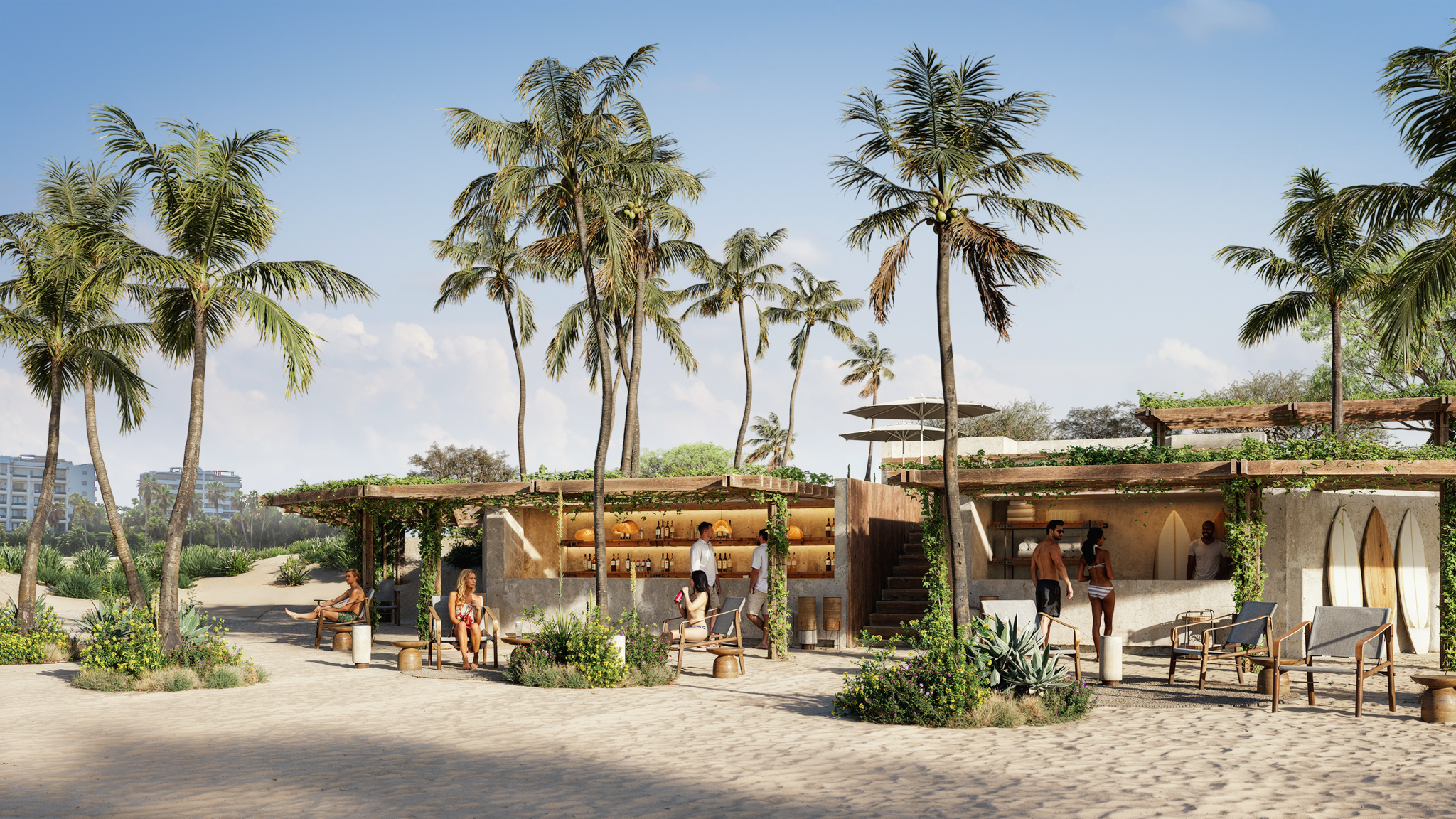
For the broader surfing community, the success or failure of this model will provide a litmus test for the viability of ultra-luxury surf developments. If the project successfully attracts its target membership, it could signal a new trend in the intersection of real estate, private social clubs, and extreme sports. Conversely, if the project struggles to meet its development milestones or membership targets, it may serve as a cautionary tale for the limits of exclusivity in a sport traditionally defined by its counter-cultural roots.
As the project advances, stakeholders will be looking for official updates regarding permitting, construction progress, and membership enrollment details. We will continue to monitor the situation and provide updates as more verified information becomes available. We invite our readers to share their thoughts on this shift toward private surf clubs in the comments below.
Keep reading