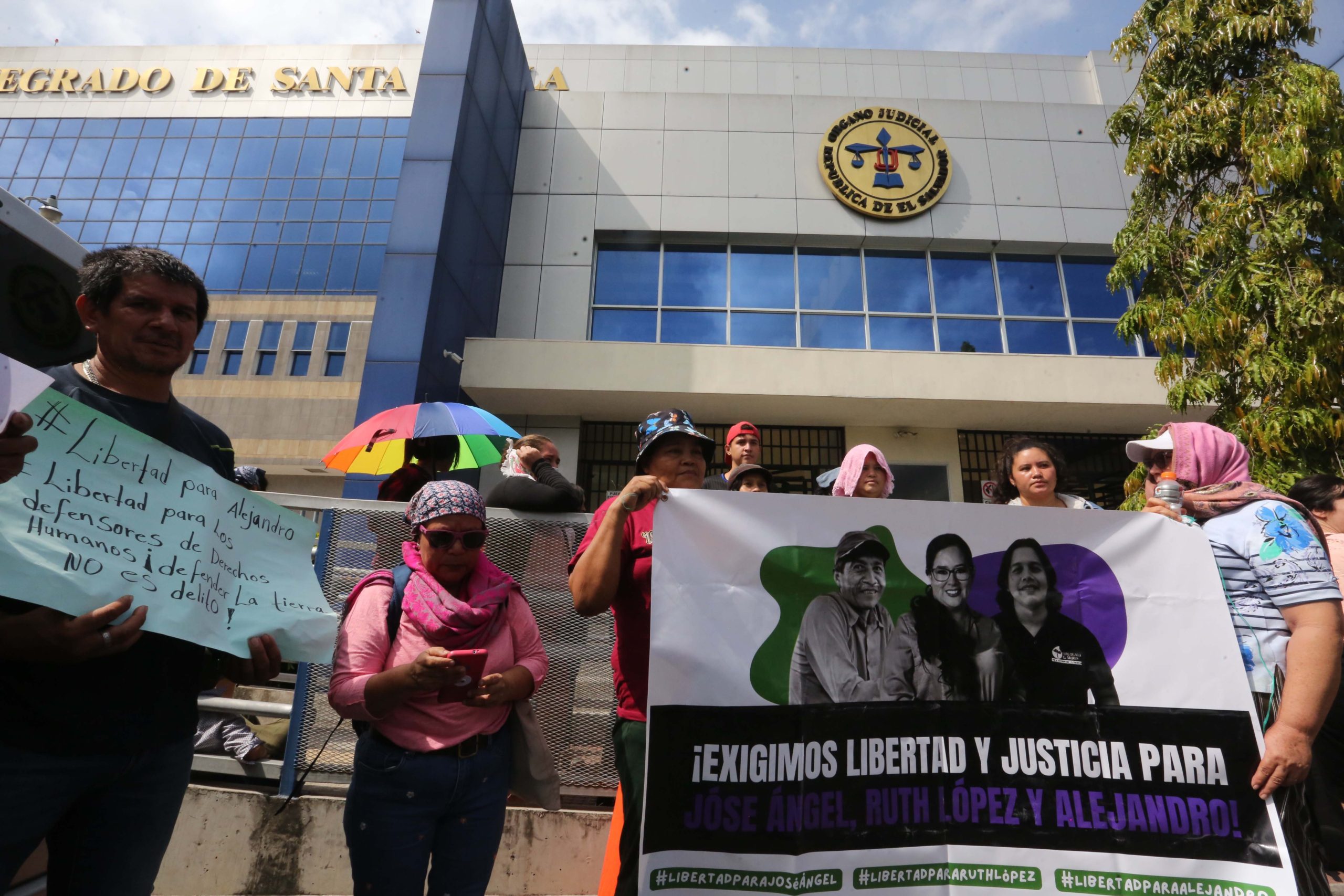
The Erosion of Human Rights in El Salvador: A System of Repression Under the Guise of Security
El Salvador is experiencing a deeply concerning human rights crisis, characterized by the systematic criminalization of dissent and the escalating abuse of power under the extended state of exception. While initially implemented to address gang violence, the measures are increasingly being weaponized against human rights defenders, community leaders, trade unionists, and those advocating for environmental and territorial rights. This report details the alarming trends, focusing on specific cases and outlining the urgent need for international scrutiny and intervention.
From State of Exception to Systematic Repression
In response to a surge in gang-related violence, the Salvadoran government declared a state of exception in March 2022, granting expanded powers to security forces and the judiciary. While the initial intent – to curb criminal activity – may have resonated with a population fearful for their safety, the prolonged and increasingly broad application of these measures has lead to widespread human rights violations.
The core issue isn’t simply the existence of the state of exception, but its application. Evidence suggests a deliberate expansion of its scope, extending beyond targeting gang members to encompass individuals engaged in legitimate and peaceful activism. Local organizations have documented over 70 cases of arbitrary detention, prolonged imprisonment, and judicial processes lacking fundamental due process guarantees.This represents a hazardous shift, effectively silencing critical voices and undermining the rule of law.
Targeting Defenders: The Cases of Ruth López, Alejandro Henríquez, and José Ángel Pérez
The targeting of human rights defenders is especially alarming. Amnesty International has designated Ruth López, Alejandro Henríquez, and José Ángel Pérez as prisoners of conscience, unequivocally stating their imprisonment stems solely from their peaceful advocacy work and exercise of freedom of expression.
These cases highlight several troubling patterns:
* Misapplication of Emergency Powers: Despite the state of exception explicitly excluding common crimes, the Public Prosecutor’s Office and judicial authorities are applying extended detention periods and suspending procedural guarantees to individuals facing charges unrelated to gang activity.
* Prolonged Pretrial detention: Alejandro and josé Ángel, prosecuted for the relatively minor offenses of “resistance” and “public disorder,” have faced repeated extensions of the investigation phase without the presentation of new evidence. This practice transforms pretrial detention from an exceptional measure into a form of preemptive punishment, violating the right to a timely trial.
* Arbitrary Charge Alterations & Secrecy: Ruth López’s case exemplifies the arbitrary nature of the process, with charges being altered without justification and the entire proceedings shrouded in secrecy. This lack of transparency fuels concerns about politically motivated prosecutions.
Prisons as instruments of control and Abuse
The conditions within El Salvador’s prisons are dire, exacerbating the human rights crisis. Prolonged solitary confinement, extreme overcrowding, inadequate medical care, and a pervasive risk of torture are commonplace. These conditions are not accidental; they are part of a deliberate strategy to instill fear, suppress dissent, and break the spirit of those detained – and, by extension, the communities they represent.
The case of constitutional lawyer Enrique Anaya is particularly concerning. The deliberate limitation of his access to effective legal counsel has demonstrably worsened his health, highlighting the systemic risks faced by those challenging the government’s actions. Similarly, Fidel Zavala, a spokesperson for UNIDECH, faces a credible threat of torture or cruel, inhuman, or degrading treatment within the opaque and unaccountable prison system.
As Ana Piquer, Americas Director at Amnesty International, powerfully states: “prolonged solitary confinement and inhumane detention conditions are part of a deliberate strategy to instill fear and break both detainees and the communities they represent.”
International Intervention and Urgent Calls to Action
The severity of the situation has prompted intervention from international bodies. The Inter-American Commission on Human rights (IACHR) granted precautionary measures to Ruth López and Enrique Anaya on September 23, 2025, recognizing the grave risk to their lives, health, and integrity due to prolonged solitary confinement and indefinite detention. the IACHR demanded an immediate cessation of isolation and adherence to international detention standards.
Amnesty International urgently calls upon the Salvadoran authorities to:
* Instantly and unconditionally release all individuals detained solely for peacefully exercising their human rights.
* Fully and immediately comply with the precautionary measures issued by the IACHR in favor of Ruth López and Enrique Anaya.
Moreover, we urge the international community to:
* Intensify scrutiny of the Salvadoran authorities and their use of the justice system as a tool of repression.
* provide support to local human rights organizations documenting abuses and providing legal assistance to those affected.
* Consider targeted sanctions against individuals responsible for egregious human rights violations.
Conclusion
The situation in El Salvador represents a dangerous erosion of fundamental freedoms.The state of exception, intended to address security concerns, has been transformed into a mechanism for silencing dissent and persec
- Orenburg Willing to Facilitate Jordhy Thompson’s Exit, Reports Russia
- Vance and Netanyahu Hold Candid Meeting to Ease US-Israel Tensions
- Understanding Chronic Digestive Inflammation: Causes and Immune System Disorders (archyde.com)
- Microsoft Unveils Agent-Based Cybersecurity Model and AI Update System (world-today-news.com)