The cryptocurrency market is currently navigating a period of heightened volatility, with investors closely monitoring the relationship between digital assets and traditional equity indices. While some market participants are eyeing specific support levels for assets like Filecoin (FIL), the broader sentiment is heavily influenced by the performance of major exchange-traded funds (ETFs) that track the U.S. Stock market.
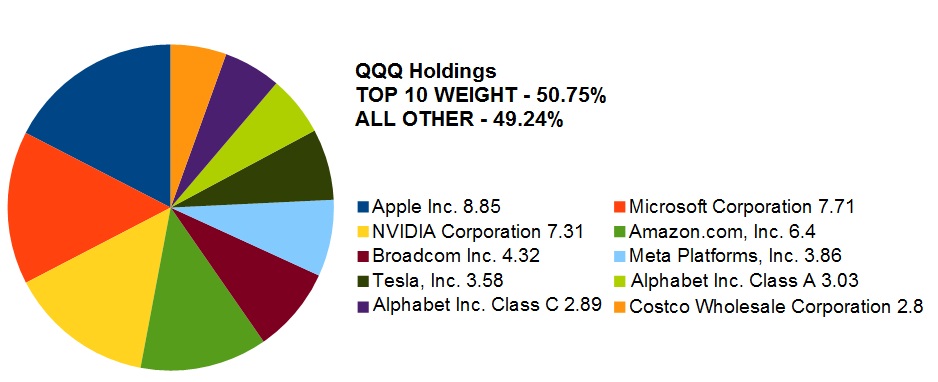
Market analysts often look to the SPDR S&P 500 ETF Trust (SPY) and the Invesco QQQ Trust (QQQ) as primary indicators of risk appetite. The SPY provides a broad view of the U.S. Market across various sectors, while the QQQ focuses on tech-heavy stocks that frequently lead market trends according to Bookmap. When these indices show strength, it often signals a shift toward “risk-on” behavior, which can positively impact the cryptocurrency sector.
However, the correlation between these assets is not always linear. Recent data shows a divergent path between traditional tech indices and certain crypto assets. For instance, while the QQQ and SPY have shown long-term growth, other assets have experienced significant year-to-date corrections.
Understanding the Market Indicators: SPY and QQQ
For traders and investors, monitoring the SPY and QQQ is about more than just tracking stocks; it is about gauging market sentiment. The SPY mirrors the S&P 500, comprising 500 of the largest companies traded on U.S. Exchanges, offering a diversified look at the broader economy as detailed by Bookmap. In contrast, the QQQ is more concentrated in the technology sector, making it a more sensitive barometer for the types of growth-oriented investments that often overlap with cryptocurrency interests.
The interplay between these two funds helps traders identify whether the market is in a period of broad expansion or if the growth is limited to a few high-performing tech giants. This distinction is critical when analyzing whether a “bull run” in crypto is supported by a general macroeconomic lift or is an isolated event.
Comparative Performance and Real Returns
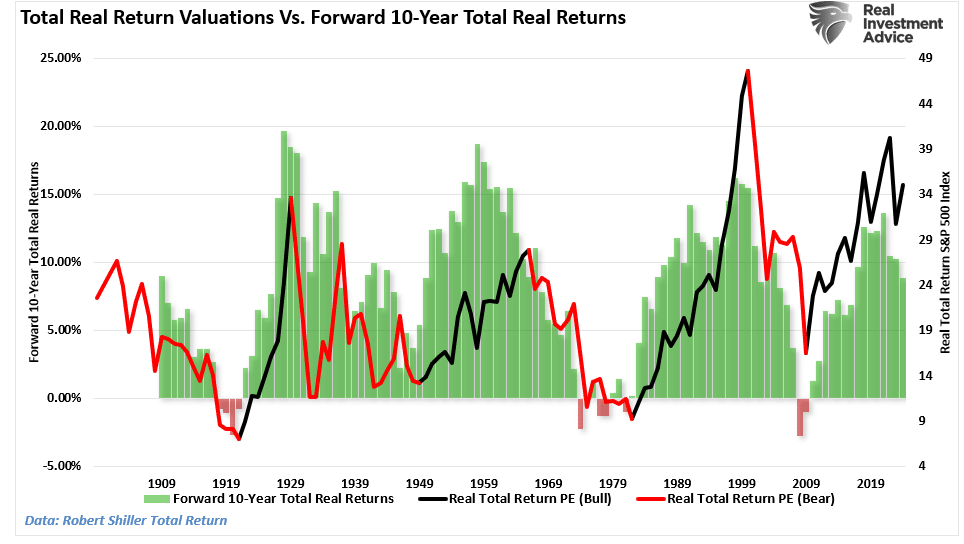
To understand the current environment, it is helpful to look at the total real returns (TRR), which account for inflation and reinvested dividends. Data covering the period from July 31, 2024, to April 14, 2026, reveals a stark contrast in performance across different asset classes via Total Real Returns.
During this timeframe, the Invesco QQQ Trust showed an overall return of +28.14%, while the SPDR S&P 500 ETF Trust yielded +22.48%. In comparison, the Grayscale Bitcoin Mini Trust (BTC) saw a more modest overall return of +8.02%.
The year-to-date (YTD) figures as of April 14, 2026, further highlight the current volatility. While the QQQ and SPY remained relatively flat or slightly positive with returns of +0.42% and +0.09% respectively, the BTC fund experienced a significant YTD decline of -16.81% according to Total Real Returns data.
| Asset | Overall Return | YTD Return (as of April 14, 2026) | Growth of $10,000 |
|---|---|---|---|
| Invesco QQQ Trust | +28.14% | +0.42% | $12,814.45 |
| SPDR S&P 500 ETF | +22.48% | +0.09% | $12,247.76 |
| Grayscale BTC Mini Trust | +8.02% | -16.81% | $10,801.84 |
The Impact of Volatility on Digital Assets
The current testing of support levels in the cryptocurrency market occurs against a backdrop of mixed signals. While the source mentions a “bustling excitement” linked to slight gains in SPY and QQQ, the actual data suggests a more complex reality. The significant YTD drop in Bitcoin indicates that the “risk-on” sentiment in traditional tech stocks has not translated into a mirrored rally for all digital assets in early 2026.
For assets like Filecoin (FIL), the testing of a key support level is a critical technical juncture. In technical analysis, a support level is a price point where a downtrend tends to pause due to a concentration of buying interest. If a support level is broken, it can lead to further price declines; conversely, if the level holds, it may signal a potential reversal or a period of consolidation.
The broader implication is that cryptocurrency investors cannot rely solely on the movements of the Nasdaq (via QQQ) or the S&P 500 (via SPY) to predict short-term price action. While these indices provide a macroeconomic framework, the internal dynamics of the crypto market—including liquidity, network adoption, and specific asset utility—remain the primary drivers of price movement.
Key Takeaways for Investors
- Diversification Matters: The disparity between the +28.14% return of the QQQ and the +8.02% return of the BTC Mini Trust over the analyzed period underscores the importance of a diversified portfolio.
- Inflation Adjustment: When evaluating gains, looking at inflation-adjusted total real returns provides a more accurate picture of purchasing power.
- Index Correlation: While SPY and QQQ are essential guides for U.S. Market sentiment, their positive movement does not guarantee an immediate rally in the cryptocurrency market.
- Technical Support: Testing key support levels is a critical phase for assets like FIL, as it determines whether the current trend is sustainable or prone to further correction.
As the market continues to fluctuate, investors should keep a close eye on official financial filings and verified real-time data. The next critical checkpoint for market sentiment will be the upcoming earnings seasons for the major tech components of the QQQ, which typically dictate the direction of growth-oriented assets.
We invite our readers to share their perspectives on the current market correlation in the comments below. How are you balancing your portfolio between traditional ETFs and digital assets in 2026?
Keep reading