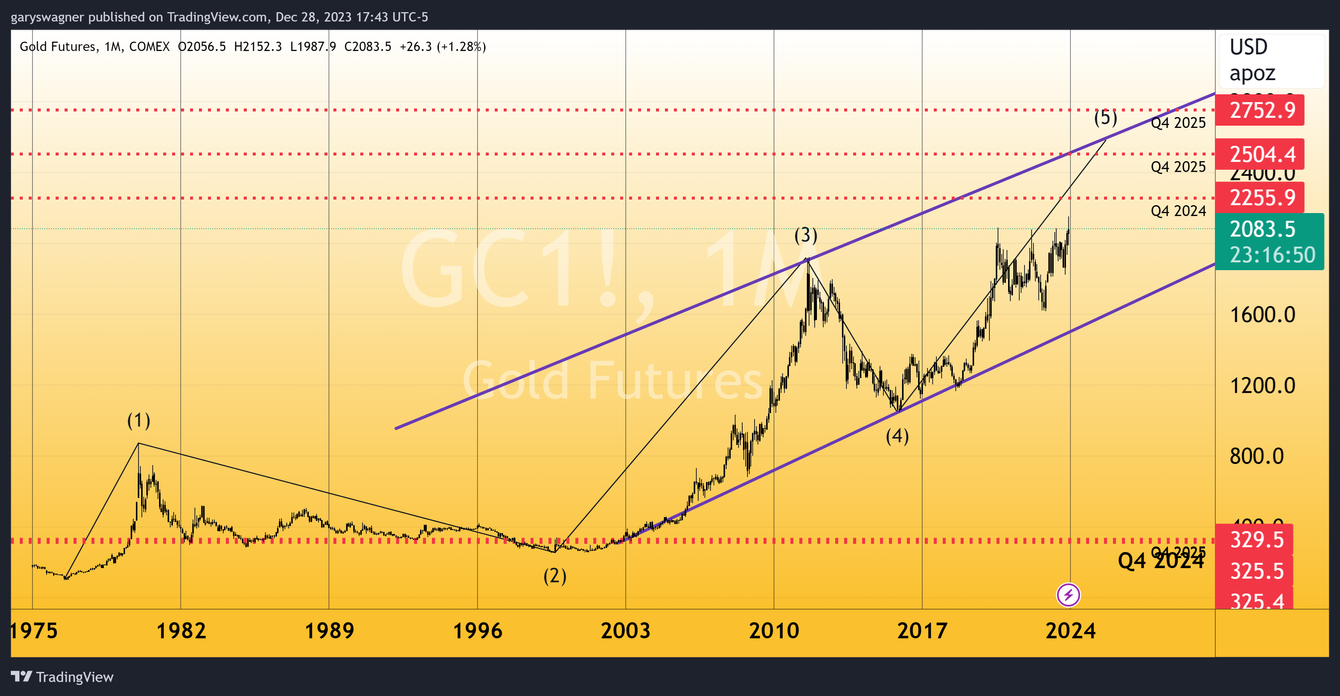
Global markets are navigating a volatile landscape as gold prices retreat from one-month highs, reacting to a fragile diplomatic breakthrough between the United States and Iran. The shift comes as investors weigh the potential for a lasting peace against the reality of a “strategic pressure game” that continues to define the relationship between the two nations.
The recent dip in gold prices reflects a cautious optimism following a short-term ceasefire agreement. While gold typically serves as a safe-haven asset during geopolitical turmoil, the prospect of reduced hostilities in the Middle East has led some investors to lock in profits, easing the upward momentum that had pushed the precious metal to its highest levels in 30 days.
However, financial analysts warn that the stability is precarious. According to an assessment by Huasengheng, the conflict has evolved into a complex strategic struggle where “deadlines” are frequently postponed, suggesting that a comprehensive resolution remains elusive in the immediate future.
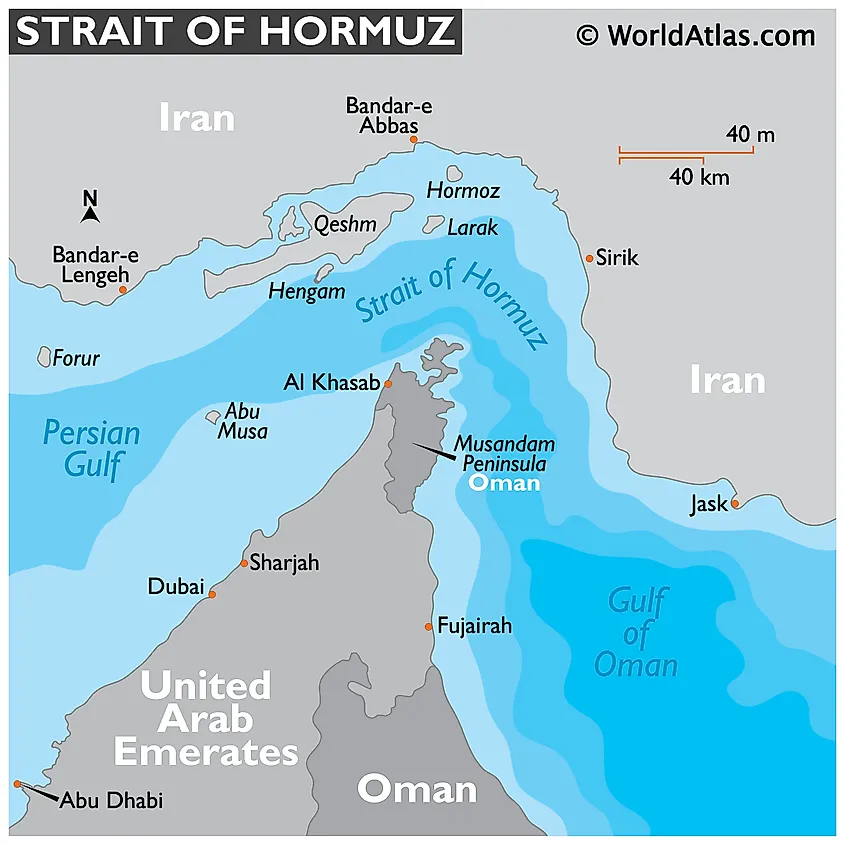
This tension is further complicated by the specific terms of the current truce. While mediators previously proposed a 45-day ceasefire, that proposal was rejected by both Washington and Tehran. Instead, the two parties managed to agree to a much shorter two-week ceasefire to facilitate negotiations and the partial reopening of the Strait of Hormuz, a critical artery for global energy supplies.
The Strategic Pressure Game: Why Gold is Fluctuating
The volatility in gold prices is inextricably linked to the perceived risk of escalation. When tensions spike, investors flock to gold; when diplomatic channels open, the demand softens. The current two-week agreement has provided a temporary reprieve, which helped lower pressure on energy markets and caused oil prices to decline, subsequently impacting the broader appetite for safe-haven assets.
The complexity of the current situation lies in what analysts call the “endless deadline game.” The repeated shifting of timelines has created a sense of numbness in the markets, but the underlying risks have not vanished. The strategic nature of the conflict means that both the U.S. And Iran are utilizing pressure tactics to gain leverage, making any ceasefire a tool for negotiation rather than a definitive end to hostilities.
Market participants are particularly focused on the possibility of a sudden shift in strategy. Some analysts, including Nouriel Roubini, have suggested a high probability—estimated at 67%—that the U.S. May eventually choose to “escalate and finish the job” if diplomatic efforts fail to produce the desired outcomes . This looming possibility of escalation keeps a floor under gold prices, preventing a total collapse even during periods of negotiation.
Impact on Energy and Global Trade
The partial reopening of the Strait of Hormuz is perhaps the most tangible outcome of the current two-week truce. Because this narrow waterway is essential for the transport of oil and gas, any threat to its accessibility triggers immediate spikes in energy costs. The temporary agreement has effectively reduced the “geopolitical premium” on oil, which in turn influences the valuation of gold as an inflation hedge.

For global businesses and policymakers, the primary concern is whether this two-week window can be expanded. The rejection of the 45-day proposal indicates a deep lack of trust between the two powers. The current arrangement is less a peace treaty and more a tactical pause, allowing both sides to reassess their positions without the immediate threat of open combat.
Market Analysis: Gold and Geopolitical Risk
The relationship between gold and the U.S.-Iran conflict serves as a barometer for global instability. When the market prices in a “strategic pressure game,” the movements in gold become less about economic fundamentals—such as interest rates or currency strength—and more about the timing of the next escalation or de-escalation.
Current data suggests that while the market has become “numb” to the cycle of threats and deadlines, the risk remains systemic. The volatility seen around April 10, 2026, underscores how quickly sentiment can shift based on the duration of a ceasefire. A two-week window is viewed by many as insufficient to resolve deep-seated ideological and political disputes, leaving the market in a state of suspended animation.
Key Takeaways for Investors
- Safe-Haven Shift: Gold prices dropped from one-month highs as a short-term ceasefire reduced immediate panic.
- Fragile Truce: The current agreement lasts only two weeks, following the rejection of a longer 45-day proposal.
- Energy Link: The partial reopening of the Strait of Hormuz has eased oil market pressure, contributing to the gold price correction.
- Strategic Uncertainty: Analysts describe the situation as a “strategic pressure game,” where deadlines are frequently moved, keeping long-term risk high.
What Happens Next?
The immediate focus for global markets is the expiration of the two-week ceasefire. The outcome of the negotiations held during this window will determine whether gold continues its retreat or surges back toward its recent peaks. If the parties fail to extend the truce or reach a more substantial agreement, the “escalate and finish the job” scenario becomes a more prominent driver of market behavior.
Investors should monitor official statements from the U.S. State Department and Iranian foreign ministry regarding the extension of the ceasefire and the status of the Strait of Hormuz. Any sign of the truce collapsing would likely trigger a rapid return to safe-haven assets.
World Today Journal will continue to monitor these developments. We invite our readers to share their perspectives on how this geopolitical tension is affecting their investment strategies in the comments below.