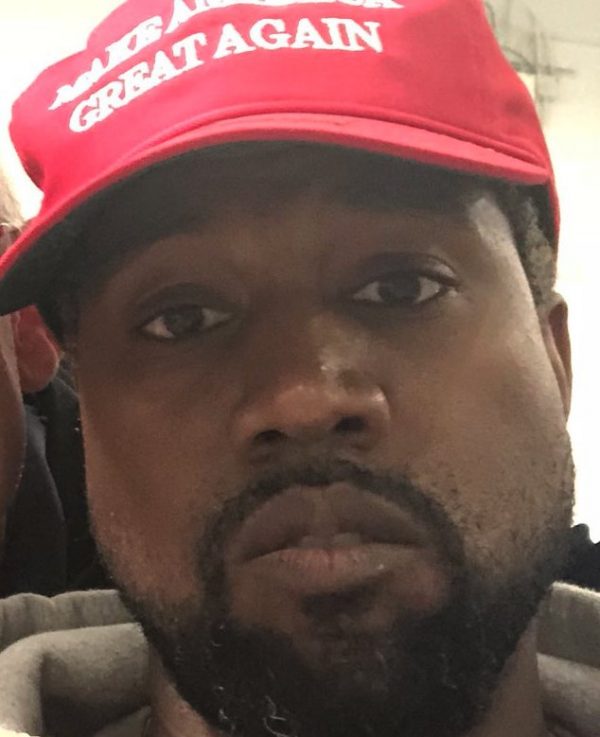
The American rapper Ye, widely known as Kanye West, has postponed his scheduled performance in Marseille, France, following significant political pressure and a growing wave of condemnation over his past rhetoric. The decision comes as French officials weighed the possibility of banning the 48-year-old artist from entering the country, marking another major setback in his 2026 comeback tour.
In a statement posted to X, Ye announced that the decision to postpone the show was his “sole decision,” made after “much thought, and consideration.” The event was originally slated for June 11 at the Stade Vélodrome in the southern port city of Marseille according to The Hollywood Reporter. This move follows a pattern of increasing restrictions on the rapper across Europe.
The postponement occurs just one week after the United Kingdom barred the artist from entering the country. That ban led to the cancellation of the Wireless Festival in July, where Ye was set to headline all three nights as reported by Euronews. The UK government’s action was prompted by his antisemitic comments and the release of a song titled “Heil Hitler.”
Although the French performance is on hold, Ye’s schedule still includes dates in the Netherlands. He is currently planned to perform at the GelreDome in Arnhem on June 6 and 8, which would mark his first European appearances in several years via RTL Nieuws.
Political Opposition in Marseille and National Government
The rapper’s presence in France was met with fierce opposition from both local and national leadership. French Interior Minister Laurent Nuñez was actively seeking to prevent the concert from taking place at the Velodrome stadium on June 11 per Euronews. This effort was supported by the regional prefect, Jacques Witkowski, who expressed a strong interest in coordinating with the minister to block the appearance.
At the municipal level, the Mayor of Marseille, Benoît Payan, had been vocal about his disapproval since March. Payan explicitly stated on X that Ye was not welcome in the city, declaring, “I refuse to allow Marseille to become a stage for people who propagate hate and blatant Nazism” according to RTL Nieuws.
The friction stems from a series of controversial actions and statements. Beyond the aforementioned “Heil Hitler” track, the artist previously offered T-shirts featuring a swastika for sale on his official website via RTL Nieuws. These actions have led to widespread condemnation of his antisemitic rhetoric.
Ye’s Response and Claims of Mental Health Struggles
In his communication to fans, Ye emphasized that he did not seek his audience to be caught in the middle of the political conflict. “I take full responsibility for what’s mine but I don’t want to put my fans in the middle of it,” he wrote on X per The Hollywood Reporter. He further noted that he understands it takes time for the public to recognize the “sincerity of my commitment to craft amends.”
Earlier this year, the artist issued apologies for his behavior, attributing his controversial outbursts to a combination of brain damage and a bipolar disorder via RTL Nieuws. He stated that he felt deep shame for his previous actions.
Timeline of Recent Restrictions
| Date/Period | Location | Action | Reason Cited |
|---|---|---|---|
| March 2026 | Marseille, France | Mayor Benoît Payan declares Ye unwelcome | Propagation of hate and Nazism |
| April 2026 | United Kingdom | Government bans entry; Wireless Festival cancelled | Antisemitic remarks and “Heil Hitler” song |
| April 15, 2026 | Marseille, France | Concert postponed until further notice | Political pressure and potential government ban |
Impact on the 2026 Comeback Tour
The postponement in France and the ban in the UK represent a significant blow to the logistics of Ye’s 2026 comeback tour. The loss of the Wireless Festival headlining slot was particularly impactful, as several major sponsors withdrew their support shortly after his booking was announced per The Hollywood Reporter.
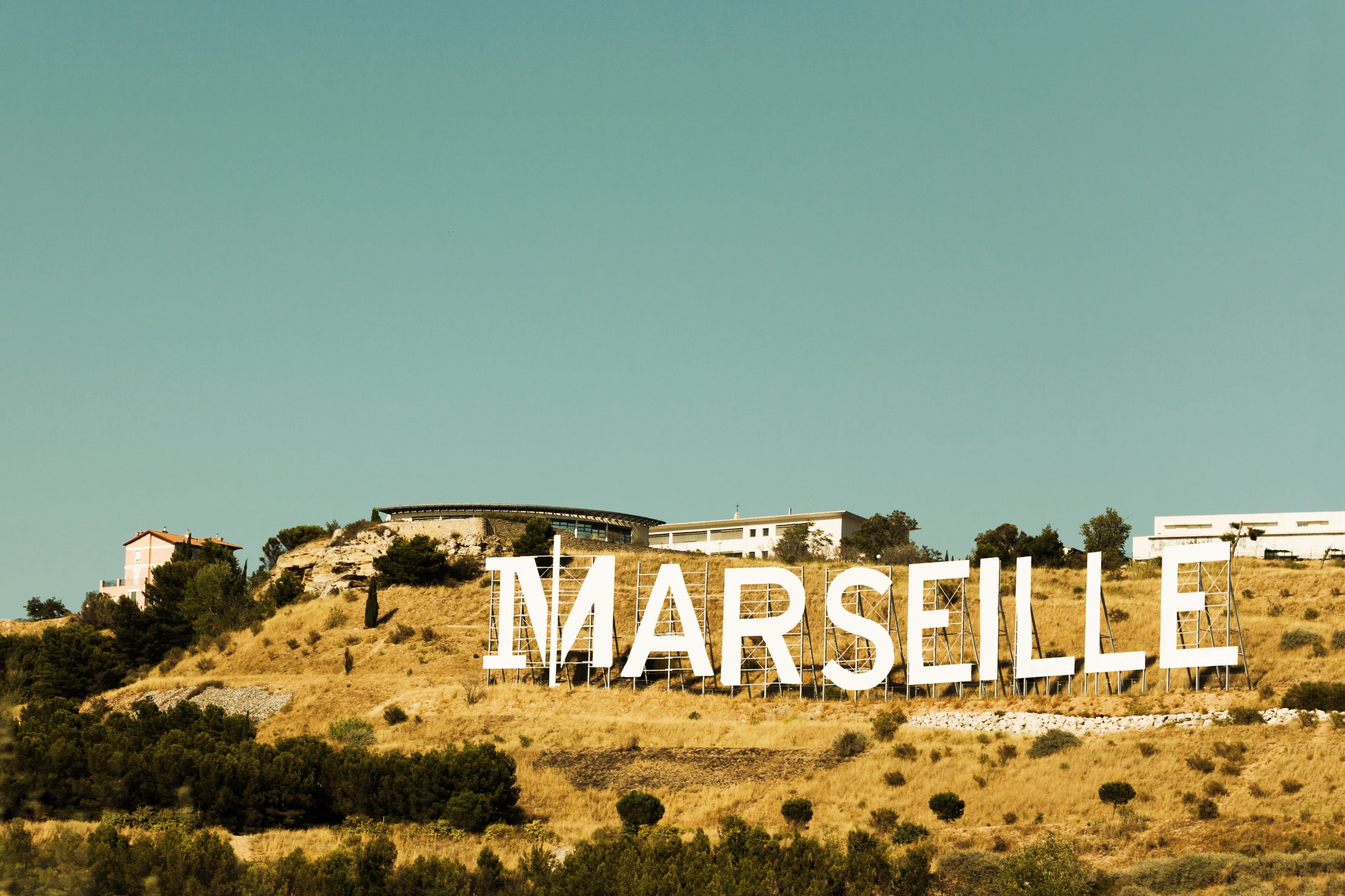
The situation highlights a growing tension between artistic freedom and the enforcement of national security or public order laws regarding hate speech. While some argue for the artist’s right to perform, government officials in the UK and France have prioritized the prevention of the promotion of antisemitism and Nazism within their borders.
For now, the focus shifts to the upcoming dates in the Netherlands. Whether the Dutch authorities will face similar pressure to restrict the Arnhem shows remains to be seen, though current reports indicate the June 6 and 8 dates are still active via RTL Nieuws.
The next confirmed checkpoint for the artist’s European presence will be the scheduled performances at the GelreDome in Arnhem on June 6 and 8. We will continue to monitor for any official updates from the French Ministry of the Interior regarding a formal ban.
Do you believe governments should have the power to ban artists based on their speech, or should the decision be left to the venues and the public? Share your thoughts in the comments below.
Keep reading
- La marca del jaguar. El despertar del fuego: An Animated Film 20 Years in the Making
- Van Life Influencer Joe Felz Dead at 40: Girlfriend Shares Emotional Statement
- Marlen Reusser wins Stage 4 time trial to claim Tour de France Femmes yellow jersey (time.news)
- NBPA Opens PLYRS UNTD Performance Center in Los Angeles (archyde.com)