
Cuba is currently facing an unprecedented period of structural instability, characterized by a profound deterioration of its social, economic, and institutional systems. Observers often describe the nation’s condition as a state of systemic failure, where the collapse of essential public services and the erosion of infrastructure have left the population in a precarious position. This assessment of Cuba’s current trajectory centers on the government’s struggle to maintain basic functions amidst the country’s most significant challenges since the 1959 revolution.
The contemporary situation in Cuba is marked by a complex interplay of internal policy stagnation and external pressures. As the country navigates a severe economic downturn, the limitations of the current governing model have become increasingly apparent to both domestic observers and international analysts. Understanding the scope of this crisis requires looking at the intersection of public health, infrastructure, and political governance.
The State of Public Infrastructure and Services
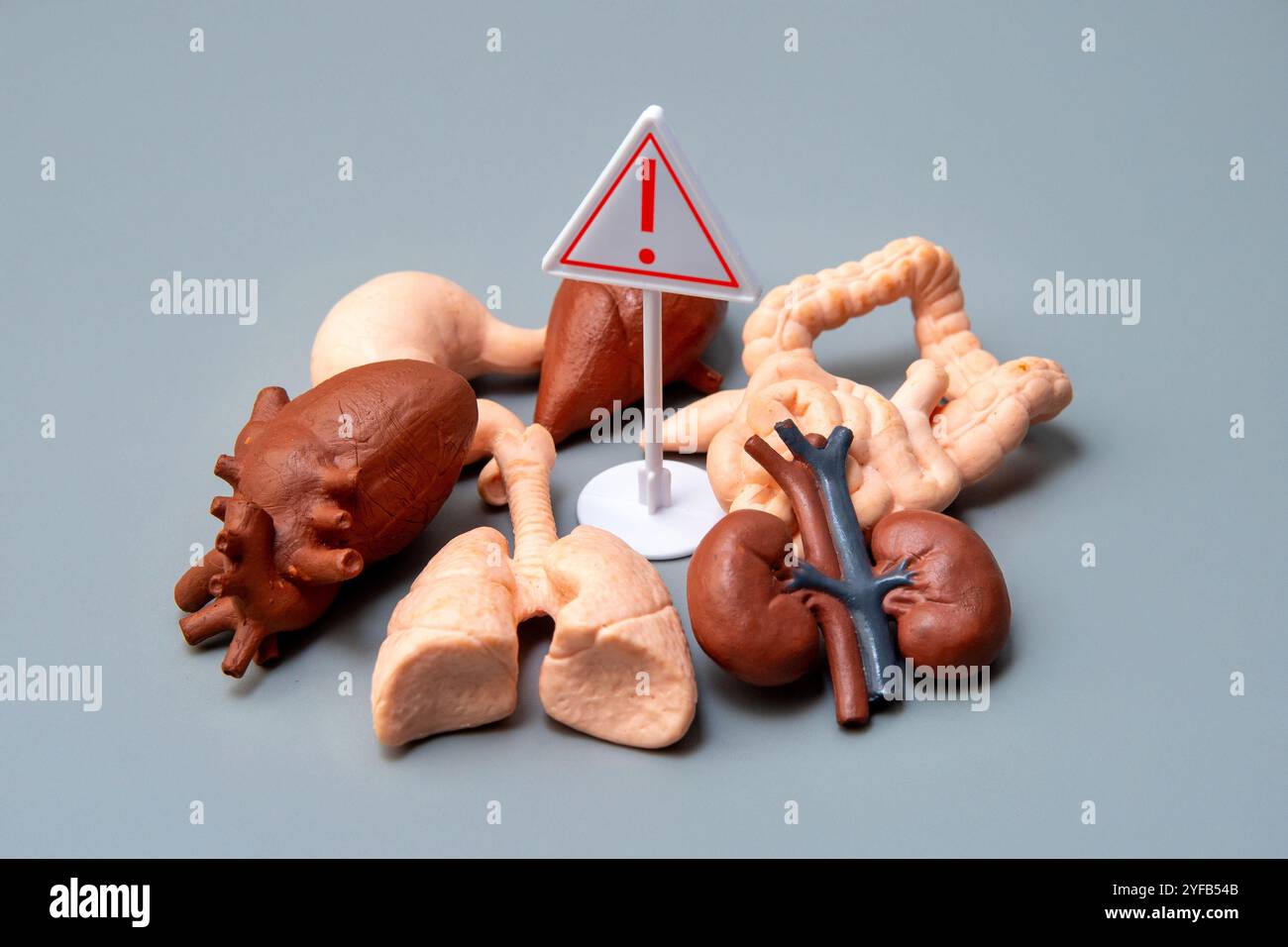
At the heart of the current crisis is the degradation of the state’s ability to provide for its citizens. According to reports regarding the island’s internal conditions, the healthcare system—once a cornerstone of the state’s international reputation—is struggling with severe shortages of medical supplies, equipment, and personnel. The term “multi-organ failure” is frequently used in analytical discourse to describe how the collapse of the energy grid, the transport sector, and the food distribution network has created a compounding effect that prevents the state from operating effectively.

For the average resident, this manifests as prolonged power outages and a scarcity of basic goods. Data provided by the Cuban government in recent assessments indicates that the nation’s population has seen notable shifts, with the 2022 census recording 11,089,511 inhabitants, a figure that continues to fluctuate due to significant migration patterns, as detailed by the official records from the Republic of Cuba. These demographic changes place additional strain on a workforce that is already grappling with limited resources and institutional barriers to economic growth.
Geopolitical Tensions and Economic Constraints
The external landscape has further complicated internal recovery efforts. Tensions between the United States and Cuba have remained high, with recent developments in the Caribbean region exacerbating the friction. Following military actions in Venezuela earlier this year, which involved the capture of President Nicolás Maduro, the United States has intensified its diplomatic and economic pressure on the Cuban government, as noted in timelines of recent U.S.-Cuba relations. This shift in U.S. policy represents a significant escalation, aiming to curtail the influence of the Cuban state in broader regional affairs.
The economic impact of these diplomatic hurdles is substantial. With a nominal GDP estimated at $252.063 billion as of 2024, the government’s capacity to subsidize social programs is more constrained than at any point in the last two decades. The reliance on the Cuban peso (CUP) amid high inflation rates has eroded the purchasing power of the average citizen, leading to widespread reliance on informal markets for essential daily needs.
Governance and the Path Forward
The leadership structure in Havana, headed by First Secretary and President Miguel Díaz-Canel, faces the difficult task of managing these compounding crises under the current communist state framework. The National Assembly of People’s Power, led by President Esteban Lazo Hernández, oversees a legislative environment that has been slow to implement the structural reforms that many economists argue are necessary to prevent further decline. The 2019 constitution remains the foundational legal document, yet critics argue that its application does not address the urgent needs of the current populace.
As of June 2026, the government has not signaled a major pivot in its core ideology. Instead, the focus remains on maintaining stability through traditional administrative measures. However, the disconnect between state rhetoric and the daily reality of the population remains a focal point of public discourse. The future of the country hinges on whether the current administration can reconcile its rigid governing model with the demands of a modern, globalized economy that requires transparency, investment, and a functional infrastructure.
The next major checkpoint for the country will involve upcoming sessions of the National Assembly, where officials are expected to address the ongoing economic directives for the remainder of the year. We invite our readers to share their perspectives on these developments in the comments section below or join the conversation on our social media platforms as we continue to monitor the situation in Havana and across the island.
Worth a look
- Isaac Del Toro : “Avec la maladie… j’ai beaucoup souffert ces trois derniers jours” – Vidéo Dailymotion
- Podcast: How women’s health hubs can help improve care
- Akawa Butte Fire: 27,000-Acre Oregon Blaze Named Nation’s Highest Priority (time.news)
- Austin Struggles with Affordable Housing Crisis (news-usa.today)