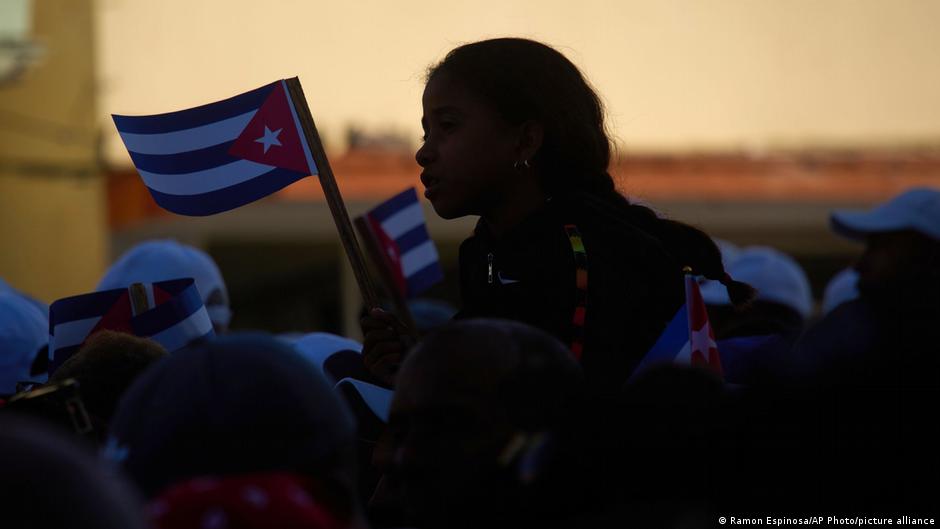
Cuba Distributes Civil Defense Guide as U.S. Tensions Reach New Highs
Sofia, Bulgaria — May 18, 2026 — In a move that underscores escalating tensions between Cuba and the United States, Cuban authorities have begun distributing a comprehensive civil defense guide aimed at preparing citizens for potential military aggression. The 48-page manual, titled “Guía de Defensa Civil ante una Agresión Militar”, outlines protocols for protecting civilians, securing infrastructure, and responding to emergencies in the event of an armed conflict. The distribution coincides with heightened U.S. Pressure on the island, including recent visits by American officials and reports of increased military drills near Cuban waters.
The guide, which has been disseminated through state media and local defense committees, comes as Cubans already grapple with chronic shortages of food, medicine, and fuel—conditions exacerbated by decades of U.S. Economic embargoes and recent disruptions. While Cuban officials have not explicitly accused the U.S. Of planning an invasion, the manual’s release reflects growing concerns among the population about the possibility of military confrontation. “This is not a drill,” one Havana resident told local reporters. “We’ve been preparing for this moment for years, but now it feels real.”
The timing of the guide’s release is particularly sensitive, as it follows a series of provocative actions by the U.S. Government. Earlier this month, CIA Director John Ratcliffe visited Havana in an unmarked aircraft, a move widely interpreted as a deliberate signal of U.S. Intent. Meanwhile, U.S. Sanctions targeting Cuban oil imports have tightened, leading to prolonged blackouts across the island. Against this backdrop, the civil defense manual serves as both a practical tool and a symbolic warning: Cuba is bracing for potential conflict.
Key Takeaways
- Purpose of the Guide: The 48-page manual provides step-by-step instructions for civilians, including evacuation routes, shelter protocols, and communication strategies during a military conflict.
- Distribution Method: Copies are being handed out through neighborhood defense committees, workplaces, and state-run media outlets, ensuring widespread access.
- Context of Tensions: The guide’s release coincides with increased U.S. Military activity near Cuba and a visit by CIA Director John Ratcliffe, raising fears of escalation.
- Cuban Response: While the government has not confirmed U.S. Invasion plans, the manual reflects long-standing preparations for potential conflict.
- Broader Implications: The move highlights Cuba’s isolation and the deepening crisis on the island, where economic hardship and political repression are already severe.
- Next Steps: Observers will watch for further U.S. Actions, such as additional sanctions or military maneuvers, as well as Cuba’s diplomatic responses.
What the Civil Defense Guide Covers
According to verified reports from Cuban state media, the guide includes detailed sections on:
- Emergency Evacuation: Designated routes and assembly points for civilians in urban and rural areas, with emphasis on protecting vulnerable populations such as the elderly and children.
- Shelter Protocols: Instructions for converting public buildings, schools, and homes into fortified shelters, including the use of sandbags and reinforced entryways.
- Communication Strategies: Guidelines for maintaining contact with authorities and family members in the event of disrupted telecommunications, including the use of ham radio networks.
- Medical Preparedness: Basic first-aid measures and the establishment of field hospitals, though the guide acknowledges severe limitations due to existing shortages of medical supplies.
- Food and Water Security: Advice on stockpiling non-perishable goods and purifying water sources, reflecting Cuba’s chronic food insecurity.
- Psychological Support: Coping mechanisms for civilians, including community-led mental health initiatives to address trauma.
The manual also includes a section on “historical lessons,” referencing past conflicts such as the 1962 Cuban Missile Crisis and the 1983 Grenada invasion to underscore the importance of preparedness. While the language is deliberately neutral, the underlying message is clear: Cuba is treating the current U.S. Actions as a credible threat.
How Cubans Are Reacting
On the ground, reactions to the civil defense guide vary widely. In Havana, some residents have welcomed the manual as a necessary precaution, given the island’s long history of U.S. Hostility. “We’ve been living under this shadow for decades,” said Carlos M., a 52-year-old engineer who requested anonymity. “At least now we know what to do if things get worse.” Others, however, view the guide with skepticism, questioning whether the government’s preparations are genuine or merely symbolic.
State media has framed the distribution as a proactive measure to ensure public safety, but independent observers note that Cuba’s existing infrastructure—already strained by economic collapse—would struggle to implement the guide’s recommendations effectively. “The guide is well-intentioned, but the reality is that Cuba doesn’t have the resources to execute most of these plans,” said Dr. Ana López, a Havana-based historian specializing in Cuban-U.S. Relations. “The real question is whether this is about preparation or propaganda.”
Social media posts from Cubans reflect a mix of resignation and defiance. One widely shared meme depicts a Cuban holding a sign that reads, “Cuando vengan los americanos—we’ll be ready,” a darkly humorous nod to the island’s long-standing phrase for enduring hardship. Meanwhile, exiled Cuban Americans have condemned the guide as evidence of Cuba’s “paranoid” response to U.S. Actions, though some acknowledge the historical context of U.S. Interventions in the region.
U.S. Actions and the Escalation of Tensions
The release of the civil defense guide occurs against a backdrop of heightened U.S. Activity targeting Cuba. Key developments include:
- CIA Visit: On May 12, 2026, CIA Director John Ratcliffe arrived in Havana aboard a U.S. Government aircraft, a highly unusual move that Cuban officials condemned as a “provocative act.” The visit followed reports of increased U.S. Intelligence-gathering operations near Cuban shores.
- Sanctions Expansion: The Biden administration has tightened restrictions on Cuban oil imports, citing concerns over alleged arms trafficking. The sanctions have contributed to fuel shortages, leading to prolonged blackouts across the island.
- Military Drills: The U.S. Southern Command has conducted joint exercises with regional allies, including Colombia and Panama, in waters adjacent to Cuba. While officials deny any intention of invading, the drills have fueled speculation about U.S. Plans.
- Diplomatic Rhetoric: U.S. Lawmakers, including Senator Marco Rubio, have publicly called for a “harder line” on Cuba, while Cuban President Miguel Díaz-Canel has warned of a “bloodbath” if the U.S. Attempts military action.
Analysts suggest that the U.S. Approach is a combination of pressure tactics and diplomatic signaling. “The goal appears to be twofold: to weaken the Cuban government economically and to send a message to allies in the region that the U.S. Is serious about countering what it perceives as hostile actors,” said Dr. James Williams, a Latin America expert at the Council on Foreign Relations. “However, the risk of miscalculation is high, given Cuba’s history of responding aggressively to perceived threats.”
Broader Implications for the Region
The escalation between Cuba and the U.S. Has drawn attention from global powers, particularly members of the BRICS alliance, who have condemned U.S. Sanctions as violations of international law. At a recent summit in Johannesburg, BRICS leaders called for an end to the embargo and urged the U.S. To engage in dialogue with Havana. “The blockade is not only illegal but also a barrier to regional stability,” stated South African President Cyril Ramaphosa during the meeting.
In Latin America, the situation has sparked debates about sovereignty and intervention. Countries like Mexico and Venezuela have expressed concern over U.S. Actions, while Colombia has aligned with Washington’s harder stance. The European Union, too, has urged restraint, with European Commission President Ursula von der Leyen stating that “dialogue must prevail over confrontation.”
For Cubans, the civil defense guide is a stark reminder of their island’s precarious position. With no immediate end to U.S. Pressure in sight, the manual may become a permanent fixture in households across the country—a symbol of both resilience and the enduring shadow of Cold War-era tensions.
What Happens Next?
The next critical developments to watch include:
- U.S. Policy Shifts: Will the Biden administration escalate sanctions or pursue diplomatic channels? A potential announcement is expected by June 1, 2026, when the White House is scheduled to review Cuba policy.
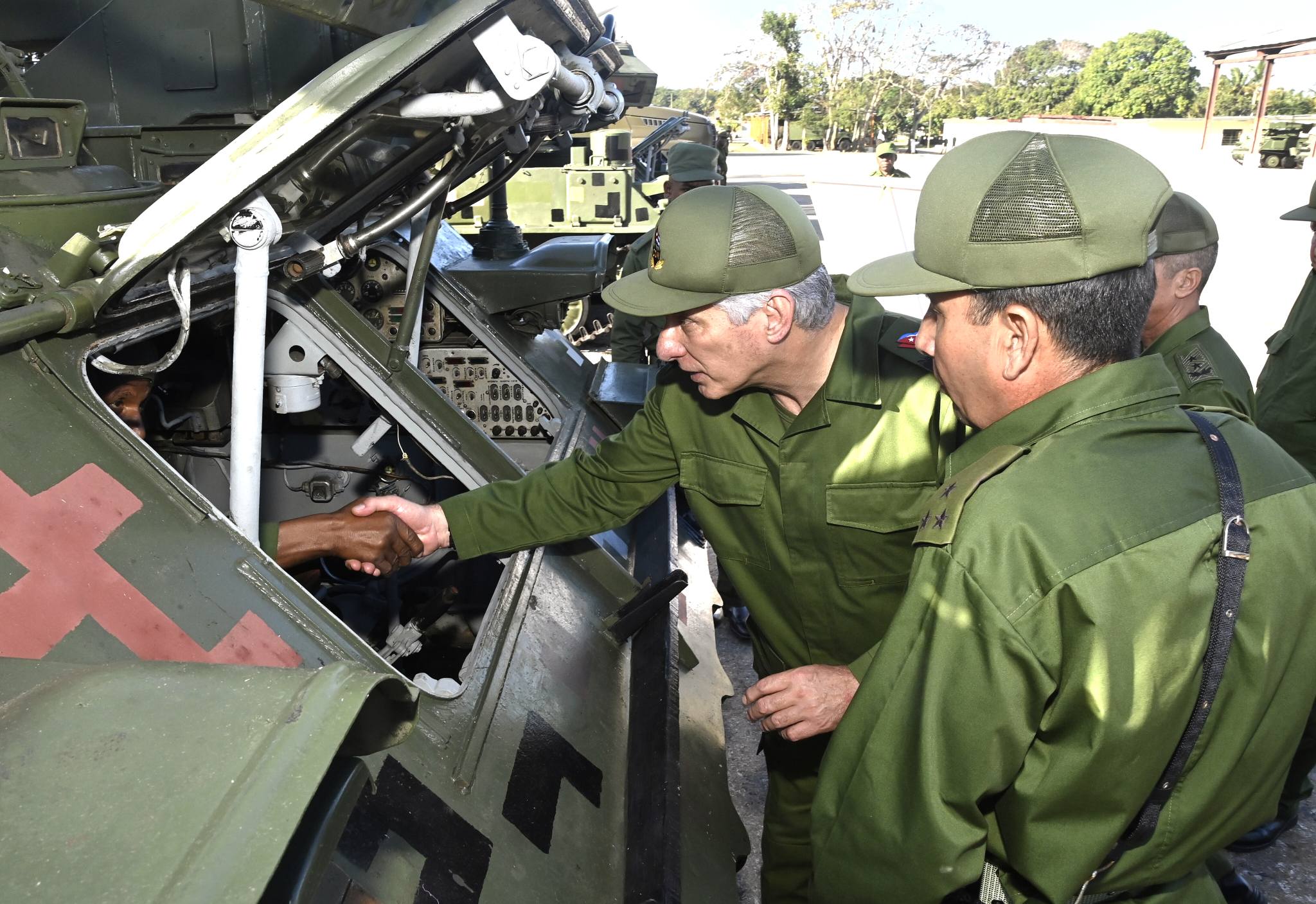
- Cuban Military Moves: Reports suggest Cuba is reinforcing coastal defenses. Any large-scale military drills could further heighten tensions.
- International Mediation: The United Nations may intervene if tensions continue to rise, though past attempts at mediation have yielded limited results.
- Domestic Impact: The civil defense guide’s effectiveness will depend on Cuba’s ability to address its economic crisis, particularly the fuel and food shortages that could hinder emergency responses.
For now, Cubans are left to navigate uncertainty. The civil defense guide, while practical, also serves as a grim reminder of the island’s vulnerability. As one Havana resident put it, “We’ve been preparing for this day for a long time. The question is whether we’ll survive it.”
What do you think? Should the international community intervene to de-escalate tensions between Cuba and the U.S.? Share your thoughts in the comments below or on our social media channels. For updates on this developing story, follow World Today Journal.
Keep reading