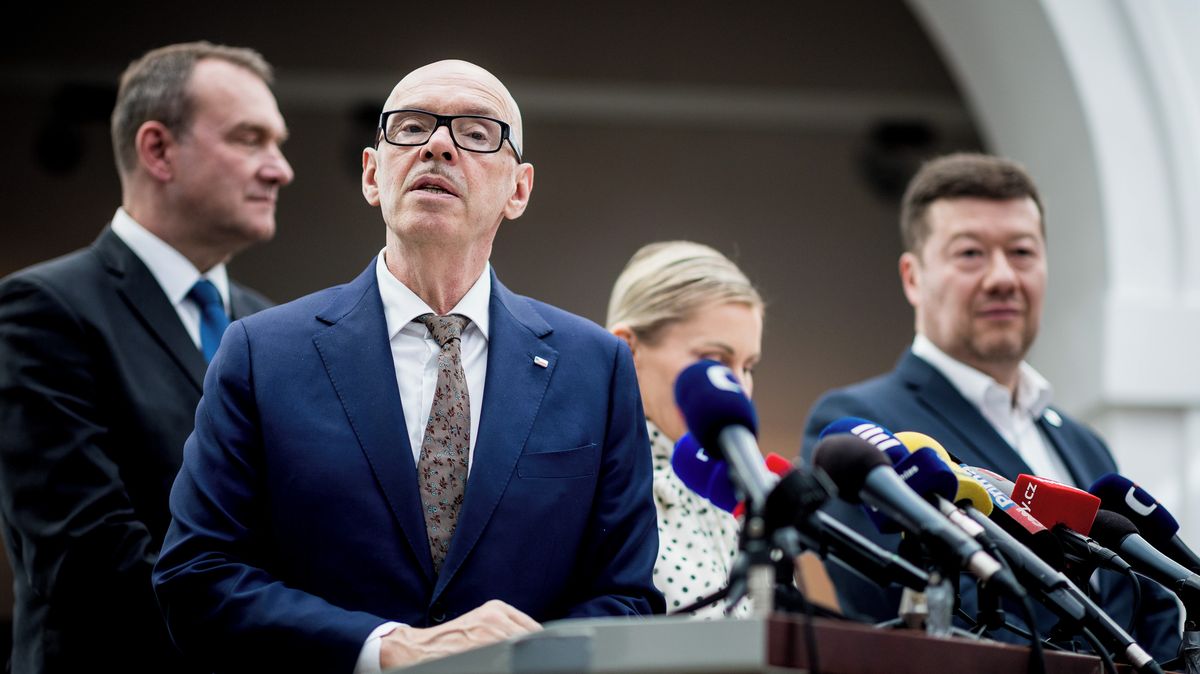
Czech Media Law Reform in Crisis: Klempíř’s Plan Faces Cabinet Backlash and Possible Rewrite
Prague — Czech Culture Minister Oto Klempíř (Motorists Party) is facing a political backlash over his proposed overhaul of public media financing, with coalition partners and government ministries rejecting the draft law as legally unsound and financially reckless. The legislation, which would replace mandatory broadcast fees with direct state funding for Český rozhlas (Czech Radio) and Česká televize (Czech Television), has triggered over 300 objections from ministries, legal experts and media workers, raising serious doubts about its viability.
The draft, which expired its 30-day inter-ministerial review period without resolution, has been criticized for vague language, potential conflicts of interest, and a significant reduction in revenue that could undermine editorial independence. While Klempíř insists the law will proceed “at lightning speed,” his own coalition allies—including the Justice and Health ministries—have publicly dismissed the proposal as flawed, with some calling for a complete rewrite.
The controversy underscores deep divisions within the ruling coalition over media policy, with Klempíř’s Motorists Party now at odds with its partners in the ANO movement, who control key ministries. The standoff has left public broadcasters in limbo, with employees threatening further industrial action if the law is passed in its current form.
Key Developments
- Cabinet split: ANO-led ministries (Justice, Health) have rejected Klempíř’s draft, calling it “vague” and “financially irresponsible.”
- Revenue cuts: Česká televize would see a €220 million (CZK 5.74 billion) reduction in 2027 under the proposal, while Český rozhlas faces a €16 million (CZK 400 million) cut.
- Legal flaws: Over 300 objections highlight concerns about state influence over editorial content and unclear funding mechanisms.
- Public broadcaster resistance: Employees have entered strike readiness, demanding the government withdraw the bill.
- Klempíř’s defiance: Despite criticism, the minister insists the law will be fast-tracked, citing coalition commitments.
Why the Law Is Collapsing
The core of the dispute revolves around financial sustainability. Under the current system, Česká televize collects CZK 6.73 billion (€260 million) annually from broadcast fees, but Klempíř’s proposal would replace this with a fixed state allocation of CZK 5.74 billion—nearly a 15% cut. Český rozhlas, meanwhile, would lose CZK 400 million (€16 million) under the new model.

Critics argue that the reduced funding could force public broadcasters to rely more heavily on state subsidies, creating political influence over editorial decisions. The Justice Ministry warned that the draft lacks clear safeguards against donor interference, while the Health Ministry expressed concerns about “a lack of transparency in funding allocation”.
The inter-ministerial review process, which concluded May 17, revealed deep divisions within the coalition. While Klempíř’s Motorists Party and ANO’s Transport Ministry offered minimal objections, the Justice and Health ministries—both led by ANO officials—submitted scathing critiques. One anonymous official described the draft as “a legal mess” with “unresolvable contradictions.”
“The proposed law is not just flawed—it’s a direct threat to the independence of public media. The government cannot simply replace stable revenue with political handouts.”
Klempíř has publicly dismissed these concerns, insisting the law will be passed quickly despite the backlash. In a recent interview, he stated:
“I will push this through. I will endure it. I will see it through because I want to.”
However, even his own party has questioned his leadership on the issue. Former Culture Minister Martin Baxa (ODS) called the proposal a “paskvil” (slanderous attack) and warned that the opposition will block it in parliament.
What Happens Next?
With the 30-day review period expired, Klempíř now faces three possible paths:

- Rewrite the draft: Incorporate ministerial objections and resubmit for another review cycle (delaying implementation by months).
- Force a vote: Push the current draft through parliament despite objections, risking legal challenges and public broadcaster strikes.
- Abandon the plan: Withdraw the proposal entirely, admitting defeat after the cabinet’s rejection.
The most likely outcome, according to political analysts, is a partial rewrite, with Klempíř attempting to address the most severe criticisms while preserving the core idea of state funding. However, the financial cuts remain a major sticking point, and public broadcasters have vowed to escalate industrial action if the law passes in its current form.
Broader Implications
Beyond the immediate political fallout, the crisis highlights deeper tensions in Czech media policy. Public broadcasters have long relied on broadcast fees to maintain financial independence, and any shift to state funding risks politicization of journalism. The European Broadcasting Union (EBU) has warned that such reforms could undermine press freedom standards across Europe.
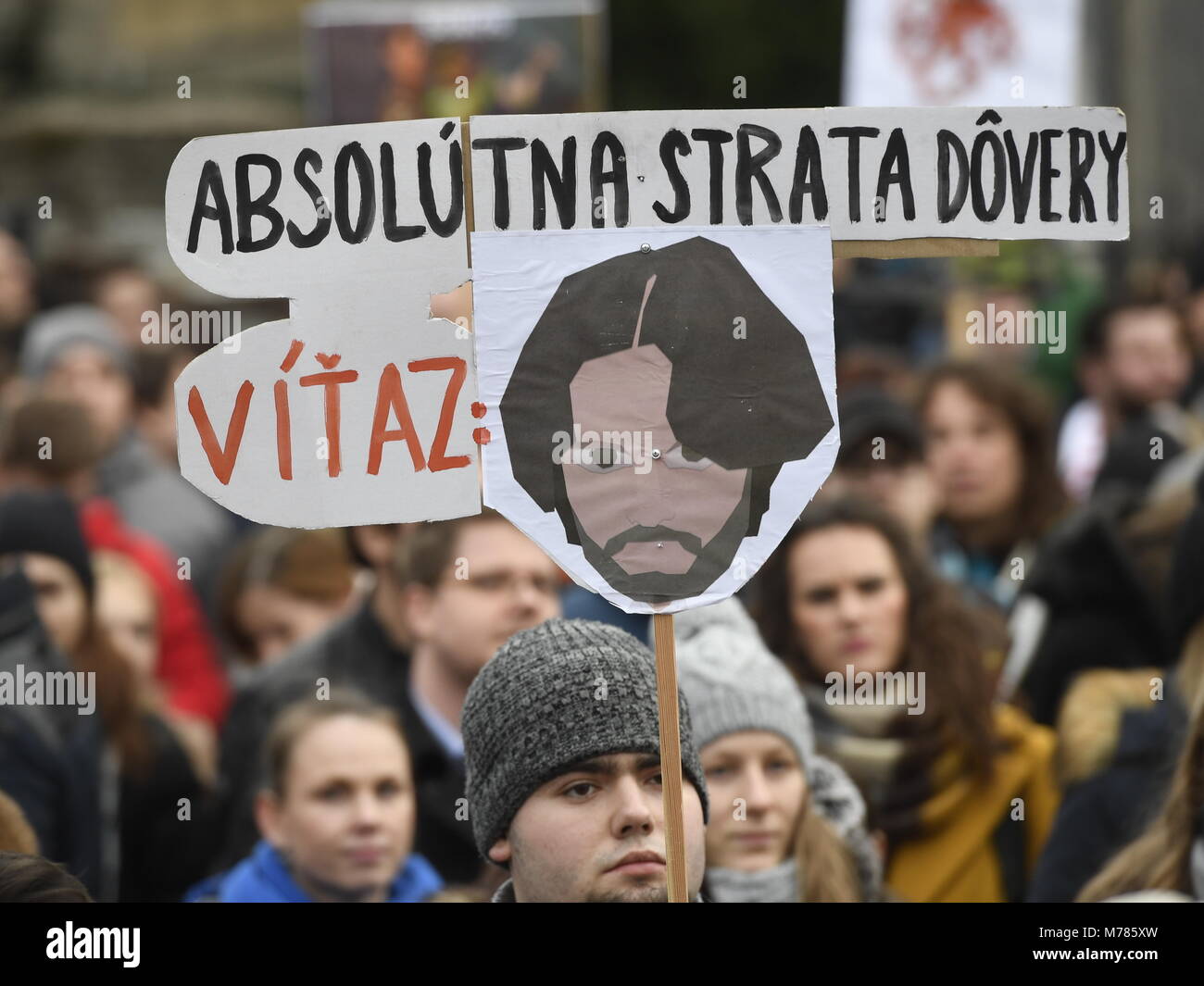
For now, the future of Czech public media remains uncertain. While Klempíř insists the law will proceed, the cabinet’s rejection signals that his plan may face an even tougher battle in parliament—where opposition parties are already preparing to filibuster or amend the legislation.
What to Watch For
The next critical deadlines include:
- May 20–24, 2026: Klempíř’s office is expected to release a revised draft addressing ministerial objections.
- Late May/Early June 2026: Potential parliamentary hearings on the law, with opposition parties likely to demand amendments.
- June 2026: Possible vote in the Chamber of Deputies, assuming the government can secure enough support.
Public broadcasters have also announced they will monitor the legislative process closely, with further strike threats if the law advances without major concessions.
For updates on this developing story, follow ČT24, Czech Radio, and Seznam Zprávy. Share your thoughts in the comments below or on our X/Twitter page.
Related reading