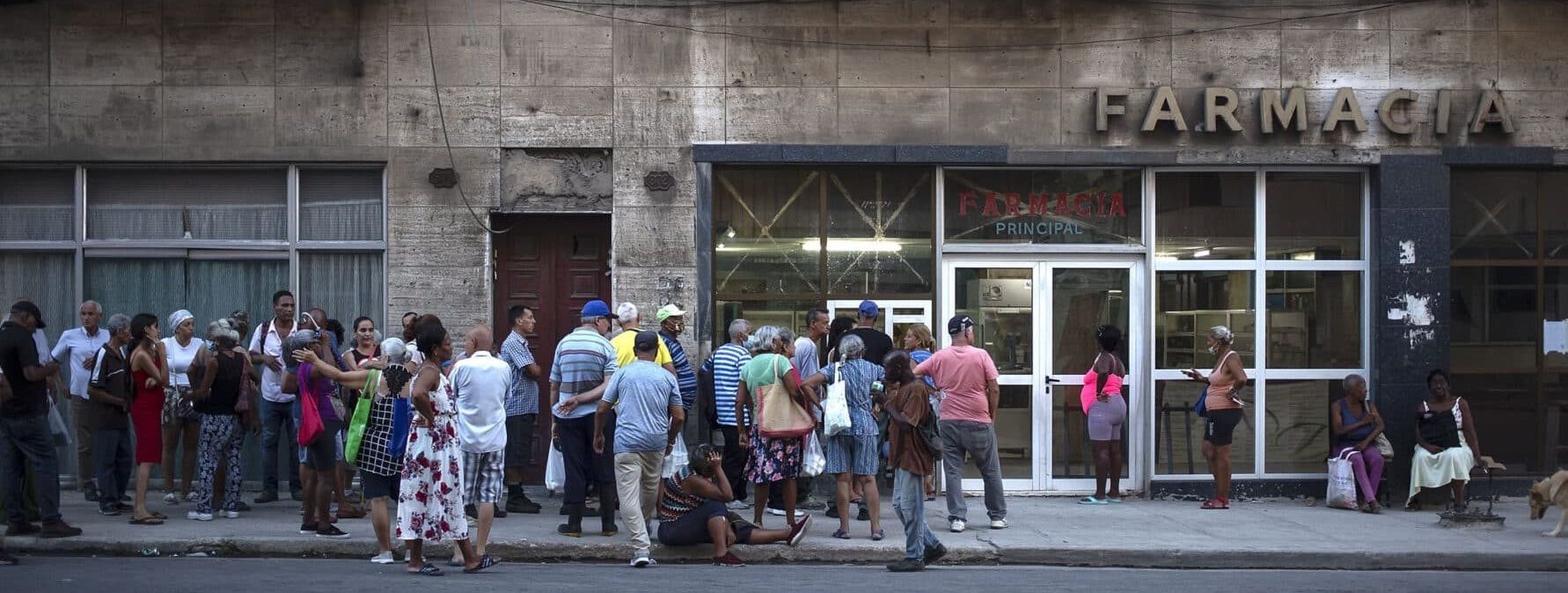
The Cuban government has moved to dismantle long-standing state monopolies on pharmaceutical sales by authorizing private pharmacies across the island, according to official regulatory announcements. The policy shift aims to address chronic nationwide shortages of essential medicines that have left public health facilities struggling to maintain adequate supplies for patients.
For decades, the distribution and retail sale of pharmaceuticals in Cuba remained tightly controlled by state enterprises under the Ministry of Public Health. Under the updated regulatory framework, private operators can now participate in the supply chain, introducing a market-oriented approach to a sector that has faced severe operational hurdles amid broader economic pressures.
Public health analysts note that the chronic lack of raw materials, foreign exchange constraints, and logistical bottlenecks have severely hampered domestic drug production. By permitting private sector participation, authorities hope to diversify supply avenues and improve the availability of basic treatments for the general population.
Understanding the Pharmaceutical Shortage in Cuba
Cuba’s healthcare system has experienced acute deficits in basic medications, ranging from antibiotics and analgesics to treatments for chronic conditions such as hypertension and diabetes. Pharmacies operating under state management have frequently reported empty shelves, forcing citizens to rely on informal networks, international donations, or relatives living abroad to secure vital prescriptions.
The decision to open the pharmaceutical retail market to private actors represents a notable structural adjustment within the island’s state-dominated economy. While state-run hospitals and clinics will continue to provide subsidized healthcare services, retail pharmacy operations are undergoing a decentralization process designed to inject private capital and efficiency into local distribution networks.
International observers and economic monitors have tracked similar recent shifts in other retail sectors across Cuba, where small and medium-sized enterprises have emerged to fill gaps left by state supply failures. The introduction of private pharmacies marks a particularly sensitive expansion into the healthcare sector, where pricing, quality control, and public access remain critical regulatory concerns.
Regulatory Framework and Operational Oversight
Implementation of the new private pharmacy rules involves strict licensing requirements and oversight by health authorities to ensure medication safety and prevent illicit trafficking. Operators must navigate specific importation guidelines, as acquiring pharmaceutical products from international markets requires specialized foreign exchange mechanisms and regulatory approvals.
Government officials have emphasized that private pharmacies will be subject to price monitoring and quality inspections to safeguard consumers against speculative pricing during periods of scarcity. However, economists point out that the success of these private outlets will ultimately depend on their ability to access steady international supply chains and secure reliable payment channels.
Patients seeking medications through the newly authorized private channels will likely face higher out-of-pocket costs compared to heavily subsidized state pharmacies, though availability is expected to be the primary driving factor for consumers who cannot find required drugs in public outlets.
Next Steps and Monitoring Implementation
As the regulatory rollout proceeds, health authorities are expected to release further details regarding licensing procedures, compliance standards, and permitted operational scopes for private pharmacy owners. Observers will monitor how swiftly private suppliers can establish functional import channels and whether the initiative measurably eases the daily medication deficits reported by residents across the island.
Keep reading
- Oxford Vaccine Group Starts First Clinical Trial for Bundibugyo Ebola Vaccine
- How OBBBA and Federal Policy Shifts Are Threatening Hospital Financial Stability: Urban Institute Report
- Summer Traffic Restrictions at the Plaza: A Memory Check (news-usa.today)
- Dars Extends Primorske Motorway Restrictions Toward Koper Despite No Work (archyworldys.com)