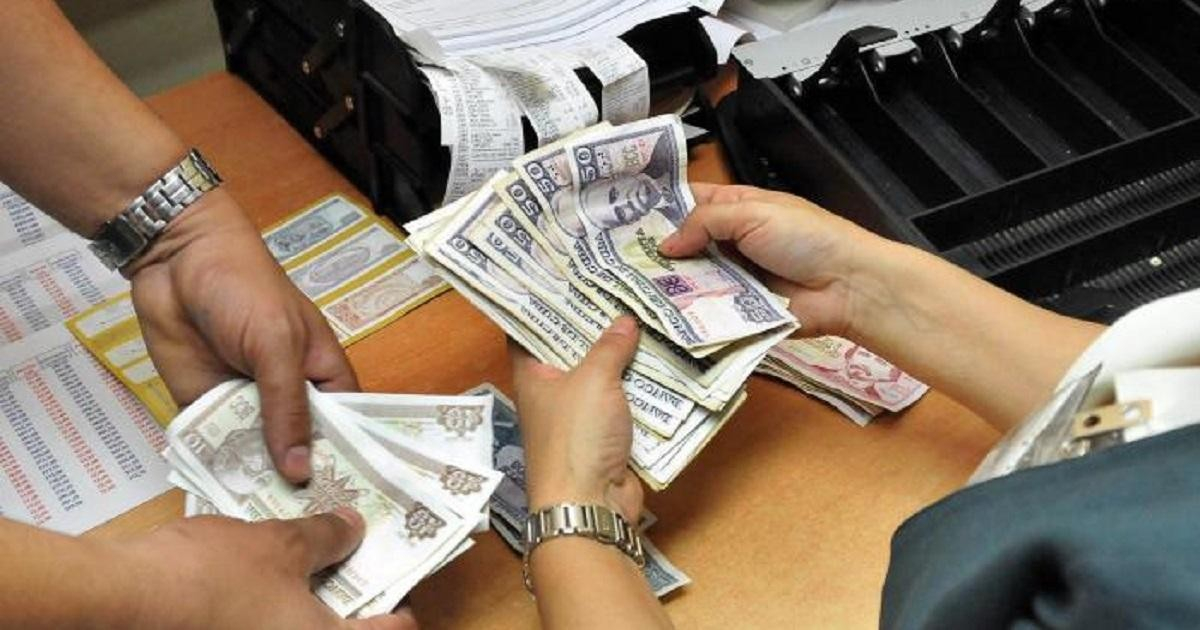
A Cuban physician’s public statement regarding the inadequacy of medical salaries has reignited discussions surrounding the economic challenges facing healthcare professionals in the country. The doctor, who has completed nine years of specialized medical training, stated on social media that her monthly earnings are insufficient to purchase basic food staples, specifically citing the price of a single package of chicken as a benchmark for her diminished purchasing power.
This account reflects broader reports from international human rights organizations and economic analysts regarding the impact of high inflation on public sector workers in Cuba. According to the Human Rights Watch 2024 report on Cuba, the country has faced severe economic instability, characterized by significant shortages of food, medicine, and fuel, alongside a sharp devaluation of the local currency. For healthcare professionals, whose salaries are set by the state, these macroeconomic pressures have resulted in a notable decline in real wages.
Economic Pressures on the Cuban Medical Workforce
The situation described by the physician highlights a systemic issue within the Cuban healthcare system: the gap between professional expertise and state-mandated compensation. While Cuba has historically maintained a high ratio of doctors per capita, the current economic climate has led to a significant exodus of medical personnel. Data from the Pan American Health Organization (PAHO) notes that the nation’s health infrastructure continues to struggle with the dual burden of equipment shortages and the migration of trained staff seeking better financial stability abroad.
The cost of living, driven by both the official exchange rate and the informal market, often renders government-provided salaries insufficient for essential needs. Economists often point to the persistent inflation rates as a primary driver of this disparity, as the cost of basic food items has risen dramatically while salary adjustments for public employees have not kept pace with market prices.
The Impact of Inflation on Professional Livelihoods
The physician’s account of her inability to afford basic protein sources is a common grievance among those employed in the state sector. In recent years, the Cuban government has implemented various monetary reforms, including the “Tarea Ordenamiento” (Ordering Task) launched in January 2021, which aimed to unify the currency and adjust wages. However, subsequent reports from the Economic Commission for Latin America and the Caribbean (ECLAC) suggest that these measures have failed to curb inflation, leading to a significant contraction in the standard of living for many professionals.
The discrepancy between the years of rigorous education required to practice medicine and the current financial return has created a morale crisis within the sector. Because the state remains the primary employer for medical doctors, there are limited avenues for these professionals to seek higher wages within the domestic market without exiting the public system or leaving the country entirely.
Institutional Responses and Future Outlooks
The Cuban government continues to frame its healthcare system as a cornerstone of the nation’s social policy. Official state media outlets frequently emphasize the commitment to universal health coverage, even as they acknowledge the logistical challenges posed by the ongoing economic embargo and global supply chain disruptions. The Ministry of Public Health (MINSAP) periodically releases updates regarding efforts to stabilize the medical workforce, though these updates often focus on international medical missions rather than the specific wage complaints raised by domestic staff.
For observers of the region, the primary indicator to watch remains the government’s next fiscal policy announcement regarding public sector wage reform. Analysts at the World Bank suggest that without structural changes to address the underlying inflation and currency volatility, the financial strain on essential service workers is likely to persist. Readers interested in the evolving economic situation in Cuba can monitor updates from international financial institutions and official government bulletins for further developments on salary adjustments or economic policy shifts.
We welcome your perspective on this ongoing situation. Please feel free to share your thoughts or relevant observations in the comments section below.
Related reading