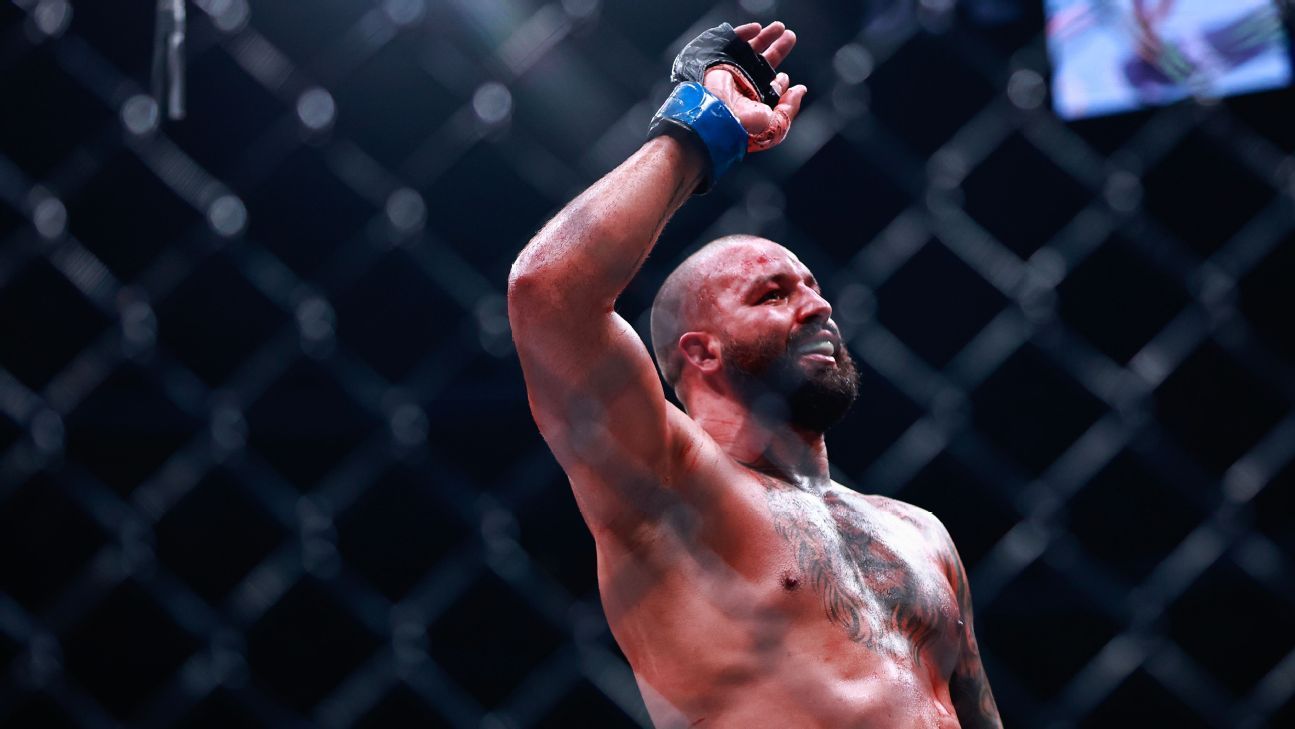
In the ever-evolving landscape of mixed martial arts, few moments have reignited fan enthusiasm quite like the recent clash between Josh Hokit and Curtis Blaydes. Their bout at UFC 327 on April 12, 2026, delivered what many are calling one of the most compelling heavyweight contests in recent memory, sparking renewed debate about the division’s future trajectory. As the sport continues to navigate transitions following Jon Jones’ departure and ongoing questions about Tom Aspinall’s availability, performances like this one serve as critical touchpoints for both athletes and observers.
The significance of Hokit’s victory over Blaydes extends beyond a single win—it represents a potential inflection point for a weight class that has struggled to maintain consistent momentum in the post-championship era. With Blaydes, a former UFC title challenger, acknowledging the fight’s impact in his post-match reflections, the conversation has shifted from whether the heavyweight division needs saving to how emerging talents like Hokit might help shape its next chapter. This dynamic raises important questions about sustainability, development pathways and what it truly takes to reestablish relevance in one of MMA’s most storied divisions.
To understand the full context of this moment, it’s essential to examine not just the fight itself but the broader circumstances surrounding both athletes. Curtis Blaydes, a long-time fixture in the UFC heavyweight rankings, entered the bout with a reputation for relentless pressure and technical wrestling prowess. His career has been marked by high-level grappling exchanges and a willingness to engage in grueling, five-round battles. Josh Hokit, by contrast, arrived as a rising prospect with a growing reputation for explosive power and improved technical versatility—attributes that were on full display during their April encounter.
According to verified reports from the event, Hokit secured a unanimous decision victory over Blaydes after three rounds of competitive action. The judges’ scorecards reflected a closely contested battle, with Hokit edging out his opponent through a combination of effective striking, defensive awareness, and timely counterpunching. Notably, Blaydes competed despite sustaining a fractured nose and orbital bone during the fight—an detail he later referenced with characteristic humor in a social media post, asking fans, “Did we save heavyweight, chat?” This candid moment underscored both the physical toll of the contest and the athlete’s enduring connection with the sport’s community.
The aftermath of the fight has prompted deeper analysis into what Hokit’s performance signifies for his career arc. While a single victory over a respected veteran like Blaydes is undoubtedly significant, analysts and fans alike are questioning whether this result marks the beginning of a sustained ascent or a promising but isolated peak. Factors such as training consistency, opponent progression, and the ability to adapt to evolving styles will be crucial in determining whether Hokit can build on this momentum. His team has emphasized a long-term development approach, focusing on incremental improvements rather than short-term hype—a strategy that may serve him well in a division known for its unpredictability.
Beyond individual narratives, the bout has too reignited conversations about the health and competitiveness of the UFC’s heavyweight division as a whole. In recent years, the weight class has faced scrutiny due to a combination of champion inactivity, injury-related absences, and a perceived lack of fresh contenders emerging from the ranks. Jon Jones’ vacating of the title, Francis Ngannou’s departure to pursue other opportunities, and the uncertain status of interim champions have all contributed to a sense of instability. Events like UFC 327, however, suggest that compelling matchups can still arise organically—even in the absence of traditional star power—when athletes bring intensity, skill, and genuine competitiveness to the octagon.
Looking ahead, the next steps for both fighters will be closely monitored. As of now, no official announcements have been made regarding Blaydes’ return timeline or potential future opponents, particularly given the nature of his injuries from the Hokit fight. Hokit’s camp has indicated a focus on continued skill refinement and strategic matchmaking, with an emphasis on building toward top-ten contention rather than rushing into high-stakes bouts prematurely. The UFC’s official schedule remains the most reliable source for tracking any developments, with future event announcements typically released several weeks in advance.
For fans seeking to understand where the heavyweight division might be headed, monitoring athlete interviews, training camp updates, and official UFC communications provides the most accurate picture. While speculation often fills the void during quiet periods, verified information from promoters, athletic commissions, and athlete representatives remains the gold standard for assessing real-world progress. In an era where narratives can form quickly, grounding discussions in observable outcomes—such as fight performances, health updates, and contractual commitments—helps maintain clarity and perspective.
The conversation around Josh Hokit, Curtis Blaydes, and the future of heavyweight MMA is far from settled. What began as a single entertaining contest has evolved into a broader reflection on what it means to rebuild relevance in a division steeped in history. Whether this moment proves to be a fleeting spark or the ignition of a longer-term resurgence will depend not only on individual performances but on how the sport continues to nurture talent, manage expectations, and deliver the kind of authentic competition that fans have come to expect.
As the MMA calendar progresses, the heavyweight division will remain a focal point for those interested in the sport’s evolving dynamics. For now, the memory of UFC 327 serves as a reminder that even in periods of transition, moments of brilliance can emerge—offering both inspiration and insight into what might come next.
We invite our readers to share their thoughts on the heavyweight division’s current state and future prospects. What do you believe it will grab to restore lasting vitality to this weight class? Join the conversation in the comments below and help shape the ongoing dialogue around one of MMA’s most compelling divisions.