
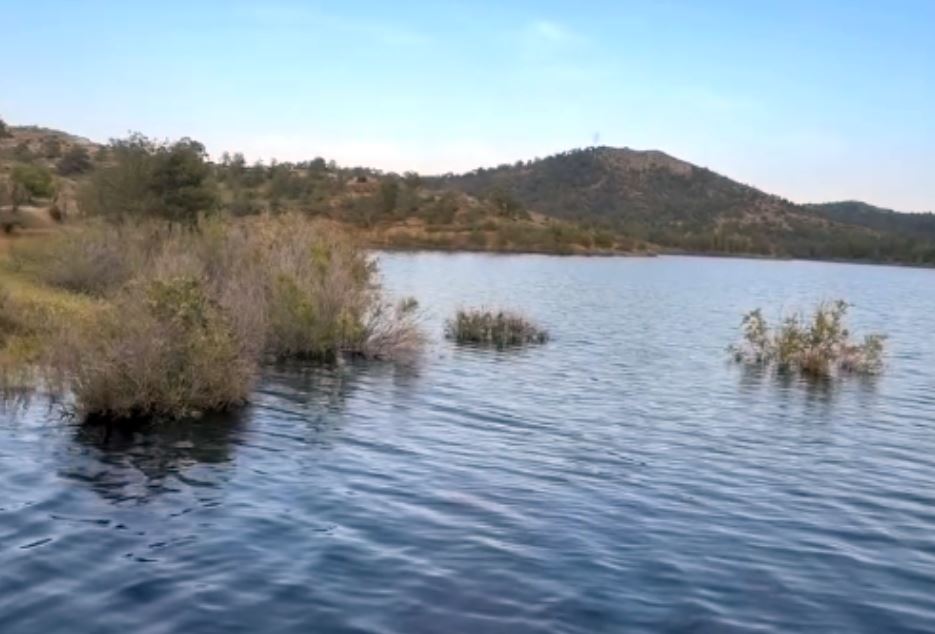
Cyprus’ Vizakia Dam Overflows After Record Rainfall, Marking Dramatic Turn from December Drought
On Sunday, April 26, 2026, the Vizakia Dam in Cyprus reached full capacity and began overflowing, a stark contrast to its empty state just four months earlier in December 2025. The dramatic transformation, captured in videos circulating online, highlights the island’s volatile water situation—oscillating between severe drought and sudden abundance. Officials from Cyprus’ Water Development Department confirmed the overflow, attributing it to unprecedented rainfall across the Troodos Mountains, which feed the dam’s reservoir.
The Vizakia Dam, a lesser-known but critical water storage facility, had been nearly dry in December 2025, reflecting Cyprus’ ongoing struggle with water scarcity. The island, one of the most water-stressed nations in the European Union, relies heavily on its network of dams to manage agricultural, municipal, and ecological needs. The sudden shift from drought to overflow underscores the challenges posed by climate variability in the Mediterranean region, where extreme weather patterns are becoming increasingly common.
Videos shared on social media show water cascading over the dam’s spillway, a rare sight for locals who have grown accustomed to water restrictions in recent years. One clip, posted by a local resident, captures the moment water began spilling over the dam’s edge, with the caption: “From empty to overflow in months—nature’s reminder of how unpredictable our water supply has become.” The footage has since gone viral, drawing attention to Cyprus’ broader water management efforts.
Why the Vizakia Dam Matters
The Vizakia Dam, located in the Limassol District near the village of Vasa Koilaniou, is one of over 100 dams and reservoirs across Cyprus. While smaller than the island’s largest dams—such as the Kouris Dam, which holds 115 million cubic meters of water—Vizakia plays a vital role in supplying water to nearby agricultural communities. The dam’s reservoir primarily collects runoff from the Troodos Mountains, a region known for its high elevation and heavy winter precipitation.

In December 2025, satellite imagery from the European Union’s Copernicus program showed the Vizakia Dam’s reservoir at near-zero capacity, a consequence of prolonged drought. The island had been grappling with water shortages since 2023, prompting authorities to implement strict conservation measures, including limits on irrigation and household usage. The sudden reversal in April 2026, however, has provided temporary relief, though experts warn that Cyprus’ water challenges are far from over.
According to data from the Cyprus Ministry of Agriculture, Rural Development, and Environment, the island’s total water storage capacity stands at approximately 330 million cubic meters, spread across its network of dams. As of April 27, 2026, the ministry reported that several dams, including Vizakia, had reached or exceeded their maximum capacity, leading to controlled releases to prevent structural damage. The Kouris Dam, the largest on the island, was at 98% capacity, while the Evretou Dam, the third-largest, was at 95%.
Climate Change and Cyprus’ Water Crisis
Cyprus’ water woes are deeply intertwined with climate change. The island has experienced a 20% reduction in annual rainfall over the past three decades, according to a 2024 report by the Intergovernmental Panel on Climate Change (IPCC). At the same time, rising temperatures have increased evaporation rates, further depleting water reserves. The situation is exacerbated by the island’s growing population and tourism sector, both of which demand significant water resources.
In response to these challenges, Cyprus has invested heavily in desalination plants, which now supply nearly 70% of the island’s drinking water. However, desalination is energy-intensive and costly, making it an imperfect solution. The recent overflow of the Vizakia Dam and other reservoirs offers a temporary reprieve, but experts caution that it should not lead to complacency. “This year’s rainfall is an anomaly, not a trend,” said Dr. Maria Papadopoulou, a hydrologist at the Cyprus Institute. “We must continue to invest in sustainable water management, including wastewater recycling and rainwater harvesting, to secure our water future.”
The overflow of the Vizakia Dam also serves as a reminder of the island’s vulnerability to flash floods. In January 2026, heavy rains caused localized flooding in parts of Limassol and Paphos, damaging infrastructure and disrupting transportation. While the current overflow is being managed through controlled releases, authorities are monitoring the situation closely to prevent downstream flooding in the coming days.
What Happens Next?
The Water Development Department has stated that it will continue to monitor water levels across all dams and adjust releases as needed to balance storage capacity with flood prevention. The department has also urged farmers and residents to remain vigilant, as sudden changes in water flow can affect irrigation systems and local ecosystems.
For now, the overflow of the Vizakia Dam has become a symbol of nature’s unpredictability—and a call to action for Cyprus to adapt to a changing climate. While the sight of water cascading over the dam’s spillway may bring temporary relief, the long-term solution lies in sustainable water management practices that can withstand the extremes of drought and deluge.
Key Takeaways
- Dramatic Shift: The Vizakia Dam went from nearly empty in December 2025 to overflowing in April 2026 due to record rainfall in the Troodos Mountains.
- Climate Challenges: Cyprus faces a 20% reduction in annual rainfall over the past 30 years, coupled with increased evaporation due to rising temperatures.
- Water Management: The island relies on a network of over 100 dams, with desalination plants supplying 70% of drinking water. However, these solutions are costly and energy-intensive.
- Controlled Releases: Authorities are managing overflows to prevent structural damage to dams and downstream flooding.
- Call to Action: Experts emphasize the need for sustainable water practices, including wastewater recycling and rainwater harvesting, to address long-term water security.
FAQ
- Q: Why did the Vizakia Dam overflow?
A: The dam overflowed due to unprecedented rainfall in the Troodos Mountains, which rapidly filled the reservoir after months of drought. The Water Development Department confirmed the overflow on April 26, 2026.

Troodos Mountains The Vizakia Dam Water Development Department - Q: How does this affect Cyprus’ water supply?
A: While the overflow provides temporary relief, Cyprus’ water supply remains vulnerable to climate variability. The island relies on desalination and a network of dams to manage water resources, but long-term solutions are needed to address recurring droughts.
- Q: What are the risks of dam overflows?
A: Overflowing dams can lead to downstream flooding and structural damage if not managed properly. Authorities are conducting controlled releases to mitigate these risks.
- Q: What is Cyprus doing to address water scarcity?
A: Cyprus has invested in desalination plants, which supply 70% of drinking water, and is exploring sustainable solutions like wastewater recycling and rainwater harvesting.
The next official update from the Water Development Department is expected within the week, as authorities continue to monitor water levels and weather conditions. For real-time updates, readers can visit the Cyprus Ministry of Agriculture, Rural Development, and Environment website.
What are your thoughts on Cyprus’ water challenges? Share your comments below and join the conversation on how communities can adapt to climate change.