
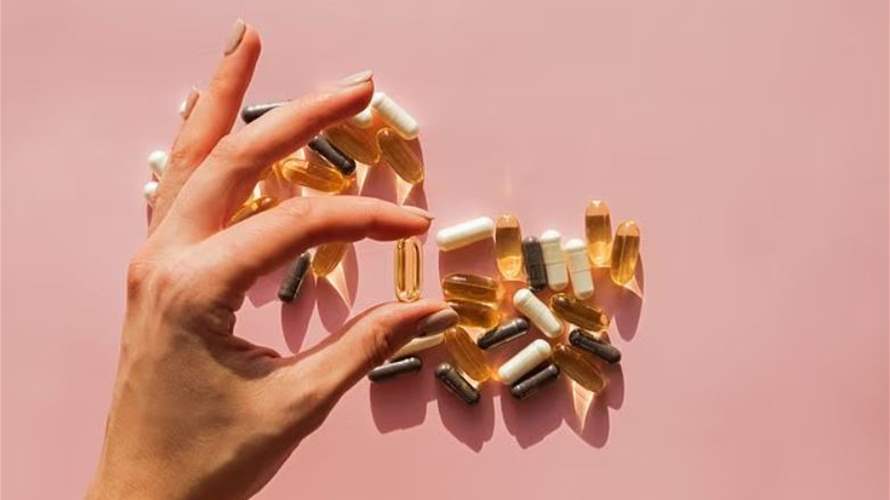
Dietary supplements are often viewed as harmless boosters to health, but experts warn that combining certain vitamins, minerals, and herbal products can lead to dangerous interactions. While many people take supplements to fill nutritional gaps or support wellness goals, unaware consumers may unknowingly create harmful combinations that reduce effectiveness, trigger toxicity, or interfere with prescription medications. With the global supplement market projected to exceed $230 billion by 2027, according to Grand View Research, understanding which combinations to avoid has become a critical public health concern.
The risks are not theoretical. Cases of liver damage from excessive green tea extract combined with high-dose vitamin E, or bleeding episodes from mixing ginkgo biloba with omega-3 fatty acids and aspirin, have been documented in clinical literature. Even seemingly benign pairings like calcium and iron can impair absorption when taken together, rendering both supplements less effective. As more individuals self-prescribe supplements without professional guidance, health authorities are emphasizing the importance of informed use — particularly because unlike pharmaceuticals, supplements are not required to undergo rigorous pre-market safety testing for interactions in many regions.
To mitigate these risks, experts recommend spacing out supplement intake throughout the day and consulting healthcare providers before starting any new regimen. Certain combinations are especially concerning due to their potential to alter metabolism, affect blood clotting, or disrupt electrolyte balance. Below are some of the most well-documented supplement interactions that consumers should avoid taking simultaneously, based on guidance from reputable medical institutions and peer-reviewed studies.
Iron and Calcium: A Blocked Absorption Pair
One of the most common and problematic supplement combinations involves iron, and calcium. When taken together, calcium can significantly inhibit the absorption of both heme and non-heem iron, reducing its bioavailability by up to 50%, according to the National Institutes of Health (NIH) Office of Dietary Supplements. This interference occurs because calcium competes with iron for absorption pathways in the duodenum, particularly affecting non-heme iron from plant-based sources and supplements.
For individuals relying on iron supplements to treat or prevent anemia — such as pregnant women, those with heavy menstrual bleeding, or people with gastrointestinal disorders — this interaction can undermine therapeutic goals. The NIH recommends separating iron and calcium intake by at least two hours to maximize absorption. For example, taking iron supplements on an empty stomach with vitamin C-rich juice in the morning, and consuming calcium-containing products like dairy or fortified plant milks later in the day, can help optimize uptake.
This guidance is especially relevant given that many multivitamins contain both iron and calcium, potentially creating a built-in inefficiency. Consumers should check labels and consider split-dosing or choosing formulations that separate these nutrients when possible.
Vitamin K and Blood-Thinning Supplements: Clotting Risks
Vitamin K plays a crucial role in blood clotting, and its interaction with anticoagulant supplements poses a serious risk for individuals managing cardiovascular conditions. High-dose vitamin K supplements can counteract the effects of natural blood thinners like fish oil (omega-3 fatty acids), garlic, ginger, and vitamin E, potentially leading to unstable clotting parameters.
According to the American Heart Association, consistent vitamin K intake is important for patients on warfarin, but sudden increases — whether from dietary changes or supplements — can reduce the drug’s efficacy. While omega-3s and garlic are generally safe in moderation, concentrated supplement forms may amplify their anticoagulant effects, increasing bleeding risk when combined with vitamin K antagonists.
A 2020 review in the Journal of the American College of Cardiology noted that patients using herbal supplements alongside anticoagulants often fail to disclose this use to clinicians, increasing the risk of adverse events. The study recommends that anyone taking blood-thinning medications or supplements avoid high-dose vitamin K products unless under medical supervision, and that vitamin K intake be kept consistent rather than sporadically high.
For general wellness seekers not on anticoagulants, moderate vitamin K from food sources like leafy greens is beneficial and unlikely to cause harm. Though, supplemental vitamin K2 in doses exceeding 100 mcg daily should be approached with caution when combined with other blood-thinning agents.
St. John’s Wort: A Potent Interactor with Serious Consequences
St. John’s wort (Hypericum perforatum), commonly used for mild to moderate depression, is one of the most interaction-prone herbal supplements available. It induces cytochrome P450 enzymes and P-glycoprotein, which can accelerate the metabolism of numerous drugs, reducing their concentration and effectiveness in the body.
The NIH warns that St. John’s wort can significantly decrease the levels of antidepressants, birth control pills, anticoagulants like warfarin, immunosuppressants (e.g., cyclosporine), and certain HIV medications. In some cases, this interaction has led to unintended pregnancies, transplant rejection, or loss of viral control in HIV patients.
A case report published in The Lancet documented a patient who experienced breakthrough depression after starting St. John’s wort while on an SSRI, likely due to reduced antidepressant levels. Conversely, combining it with other serotonergic supplements like 5-HTP or tryptophan increases the risk of serotonin syndrome — a potentially life-threatening condition marked by agitation, hyperthermia, and rapid heart rate.
Due to its broad metabolic impact, healthcare providers routinely advise against using St. John’s wort without consulting a physician, especially for individuals taking any prescription medication. Its effects can persist for days after discontinuation, meaning even intermittent use poses risks.
Magnesium and Certain Antibiotics: Reduced Drug Efficacy
Magnesium supplements, while beneficial for muscle function, sleep, and bone health, can interfere with the absorption of several classes of antibiotics when taken simultaneously. Specifically, magnesium binds to fluoroquinolones (e.g., ciprofloxacin, levofloxacin) and tetracyclines (e.g., doxycycline, minocycline) in the gastrointestinal tract, forming insoluble complexes that the body cannot absorb.
The Mayo Clinic notes that this interaction can reduce antibiotic absorption by more than 90%, potentially leading to treatment failure, prolonged infection, or the development of antibiotic resistance. To avoid this, patients are advised to take magnesium supplements at least two hours before or four to six hours after these antibiotics.
Similar interactions occur with magnesium and certain osteoporosis medications like bisphosphonates (e.g., alendronate), where mineral binding reduces drug uptake. Patients on these therapies should separate magnesium intake by a similar time window to ensure effectiveness.
Despite these risks, magnesium remains a valuable supplement for many, particularly those with dietary insufficiencies or conditions like migraines or restless legs syndrome. Proper timing, however, is essential to prevent unintended consequences.
Zinc and Copper: The Balance Beam
Zinc and copper share absorption pathways in the gut, and high-dose zinc supplementation can induce copper deficiency over time by triggering the production of metallothionein, a protein that binds copper and prevents its utilization. This imbalance can lead to neurologic symptoms, anemia, and weakened immune function — effects that may develop silently over months.
The NIH states that prolonged intake of zinc supplements exceeding 40 mg per day (the upper limit for adults) can result in acquired copper deficiency, particularly if copper intake is low. This is especially relevant for individuals taking zinc lozenges for colds or high-potency zinc formulas for immune support without monitoring copper status.
To prevent imbalance, many experts recommend not exceeding 25–30 mg of elemental zinc daily from supplements unless under medical guidance, and ensuring adequate copper intake through diet (e.g., nuts, seeds, shellfish) or a balanced multivitamin. Some zinc supplements now include small amounts of copper (typically 1–2 mg) to mitigate this risk.
A 2019 study in Advances in Nutrition highlighted that zinc-induced copper deficiency is underrecognized in clinical practice, often mistaken for other neurologic or hematologic conditions. Screening for copper levels is advised in patients on long-term high-dose zinc therapy who present with unexplained fatigue or neuropathy.
Green Tea Extract and Stimulants: Amplified Side Effects
Green tea extract, valued for its antioxidant properties and mild metabolic effects, contains concentrated catechins and caffeine. When combined with other stimulants — such as caffeine anhydrous, yerba mate, guarana, or synephrine (found in some weight-loss formulations) — it can overstimulate the nervous system, leading to increased heart rate, elevated blood pressure, anxiety, and insomnia.
More seriously, high-dose green tea extract has been linked to rare cases of acute liver injury, particularly when used in fasting states or combined with other hepatotoxic substances. The U.S. Liver Injury Network has identified green tea extract as a leading herbal cause of drug-induced liver injury in supplement users, with symptoms including jaundice, fatigue, and elevated liver enzymes.
A 2021 analysis in Hepatology found that the risk of liver injury increases with higher doses of epigallocatechin gallate (EGCG), the primary active compound in green tea extract, especially when taken on an empty stomach. The study advised limiting EGCG intake to less than 800 mg per day and avoiding concurrent use with other stimulants or substances known to affect liver metabolism.
For those seeking the benefits of green tea, brewed tea poses significantly lower risk due to lower catechin concentration and slower absorption. Extracts should be used cautiously, ideally with food, and not combined with other energy-boosting or thermogenic supplements.
Calcium Supplements and Heart Health: Emerging Concerns
While calcium is essential for bone health, recent research has raised questions about the cardiovascular safety of calcium supplements — particularly when taken without vitamin D or in high doses. Some observational studies and meta-analyses have suggested a potential link between calcium supplementation and increased risk of myocardial infarction or stroke, possibly due to vascular calcification.
However, findings remain inconsistent. A large-scale randomized trial published in The BMJ in 2020 found no significant increase in cardiovascular events with calcium and vitamin D supplementation over five years in older adults. The NIH notes that dietary calcium intake is not associated with these risks, suggesting that the concern may be specific to supplemental forms that cause rapid spikes in blood calcium levels.
To minimize potential risks, experts recommend obtaining calcium primarily from food sources — such as dairy, leafy greens, and fortified plant milks — and using supplements only to fill gaps, not exceed recommended totals. The NIH advises not exceeding 1,000–1,200 mg of total calcium per day from all sources, depending on age and sex, and splitting doses to avoid exceeding 500 mg at once.
Vitamin D co-administration is also emphasized, as it helps regulate calcium utilization and may mitigate potential adverse effects. Individuals with a history of kidney stones or cardiovascular disease should consult a physician before starting calcium supplements.
Practical Guidance for Safe Supplement Use
Given the complexity of potential interactions, consumers can take several steps to use supplements more safely. First, always inform healthcare providers about all supplements being taken, including herbal products and vitamins — this information is critical for avoiding dangerous combinations with prescription medications. Second, choose third-party tested products verified by organizations like USP, NSF International, or ConsumerLab to ensure label accuracy and absence of contaminants.
Third, avoid mega-dosing unless under medical supervision. more is not always better, and fat-soluble vitamins (A, D, E, K) can accumulate to toxic levels. Fourth, time supplements strategically — for example, taking fat-soluble vitamins with meals containing healthy fats, and separating minerals that compete for absorption.
Fifth, be cautious with “proprietary blends” that do not disclose individual ingredient amounts, making it impossible to assess interaction risks. Finally, rely on reputable sources such as the NIH Office of Dietary Supplements, the Mayo Clinic, or registered dietitians for evidence-based guidance rather than influencer recommendations or marketing claims.
As supplement use continues to grow globally, so does the responsibility to use them wisely. While they can play a supportive role in health when used appropriately, they are not without risks — particularly when combined without awareness of potential interactions. By staying informed, spacing intake appropriately, and consulting professionals when needed, consumers can harness the benefits of supplements while minimizing the chance of harm.
For the latest updates on supplement safety and regulatory guidance, consumers can refer to the NIH Office of Dietary Supplements website (ods.od.nih.gov) or consult with a healthcare provider or registered dietitian.