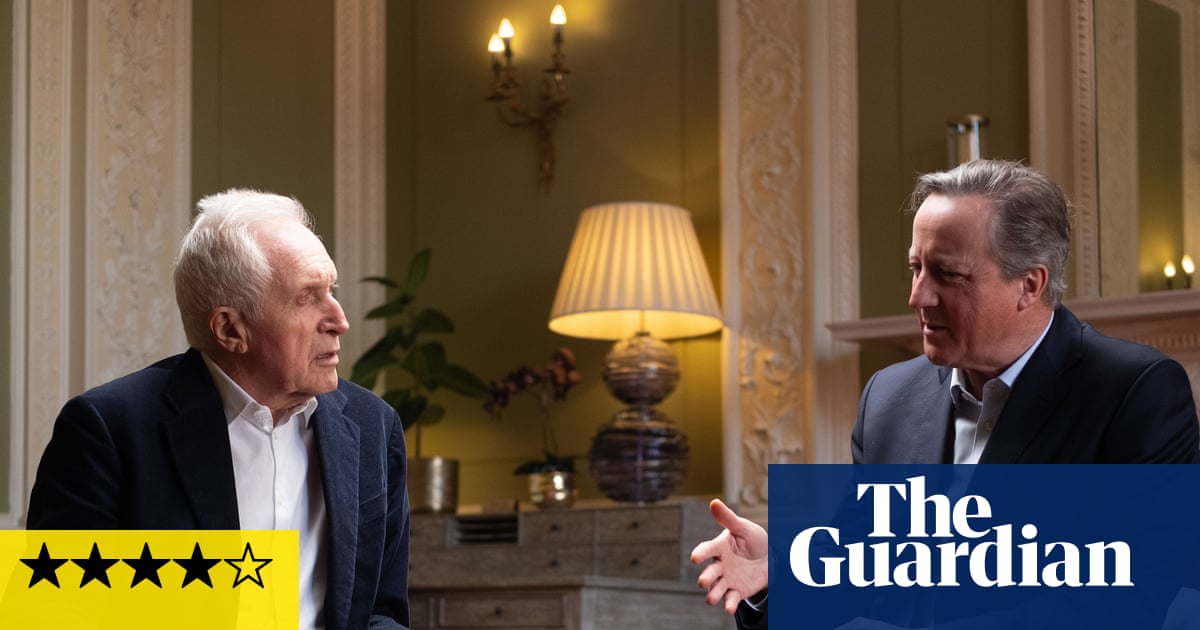
The Evolving Role of the British monarchy: Power, Influence, and Accountability in the 21st Century
The British monarchy, an institution steeped in tradition and symbolism, continues too be a subject of intense scrutiny and debate. Recent analysis, exemplified by David Dimbleby‘s probing documentary “What’s the Monarchy For?”, forces a critical examination of its contemporary relevance. Is the monarchy a benign, largely ceremonial presence, or does it wield undue influence on the levers of power? And, crucially, can an unelected head of state truly be justified in a modern democracy? This article delves into these questions, drawing on historical context, recent revelations, and expert perspectives to provide a thorough assessment of the monarchy’s current standing.
The Private Counsel and the Question of Democratic Legitimacy
For decades, the weekly audiences between the Prime Minister and the monarch have been a cornerstone of the British political system.These meetings, as revealed by former PMs, served as a vital sounding board, offering a space for leaders to refine their thinking and receive impartial feedback. The benefit, as many attest, was a trusted confidante who wouldn’t leak sensitive discussions.However, this very access raises a basic question: is it democratic for a head of state, inheriting their position rather than earning it through popular vote, to have such privileged access to – and potential influence over – the government?
Dimbleby’s documentary highlights this tension, pressing interviewees on the inherent contradiction of granting authority to an individual based solely on lineage. The elaborate ceremonies surrounding royal installations – the crowns, the velvet, the ancient rituals – underscore the institution’s reliance on tradition rather than democratic principles.This isn’t to dismiss the symbolic importance of the monarchy, but rather to acknowledge the difficulty in reconciling its existence with the core tenets of a representative government. The inherent inconsistencies are, as Dimbleby points out, often circular and frustrating to resolve.
Lobbying and the Illusion of Neutrality
The debate intensifies when considering the extent of the monarch’s attempts to influence policy. The long-fought legal battle over Prince Charles’s (now King Charles III) letters to government ministers, finaly resolved in 2019, revealed a pattern of lobbying on issues ranging from agricultural policy to military procurement. While the sheer volume of correspondence may not translate into sweeping policy changes, it demonstrably proves the monarch is not a passive observer.
The argument,put forward by figures like Dominic Grieve,that Charles is entitled to advocate for his views while simultaneously maintaining public neutrality,rings hollow under scrutiny. As Dimbleby astutely points out, the attempt to maintain both genuine and perceived neutrality is a clear contradiction. The revelation of these letters, after a decade of legal resistance, underscores a desire to operate outside the bounds of public accountability. This raises concerns about transparency and the potential for undue influence, even if the ultimate impact on policy remains debatable.
Constitutional Safeguards and the Limits of Royal Power
Despite the potential for influence, the monarchy’s actual power is constrained by constitutional conventions. The 2019 prorogation of Parliament,orchestrated by Boris Johnson,served as a crucial test case. While the monarch theoretically possesses the power to prevent a leader from acting unconstitutionally, the reality proved far more complex. As contributors to Dimbleby’s documentary acknowledged, the Queen was effectively prevented from intervening, as doing so would have been perceived as siding with the opposition and undermining the Conservative government.
This highlights a critical limitation: the monarch’s actions are heavily influenced by political considerations and the potential for constitutional crisis.The Queen,and now the king,operate within a framework of advice from the Prime Minister and are expected to remain politically neutral,even when faced with possibly unlawful actions.
Soft Power and the Instrument of Government
The monarchy’s influence extends beyond domestic policy into the realm of “soft power” – shaping international perceptions and fostering diplomatic relations. Queen Elizabeth II’s historic visits to Ireland, including symbolic gestures like speaking in Irish and meeting with Martin McGuinness, are often cited as examples of the monarchy facilitating reconciliation and achieving diplomatic breakthroughs that politicians alone could not.
However, even in this sphere, the monarch operates as an instrument of government policy. From accommodating state visits from controversial figures like Nicolae Ceaușescu at the behest of harold Wilson, to the recent invitation extended to Donald Trump by keir Starmer, the monarch’s actions are ultimately directed by elected leaders. The monarchy’s role in international affairs is therefore inextricably linked to the broader foreign policy objectives of the government.
A Costly Indulgence?
Dimbleby
Worth a look