the Elephant in the Room: Why Zimbabwe Argues for a Controversial Ivory Trade
For decades, the debate surrounding ivory has raged. A complete ban, intended to protect elephants, is increasingly challenged by those living alongside them – particularly in Southern Africa. Zimbabwe, home to a significant portion of the world’s elephant population, is leading the charge for a controversial solution: a regulated ivory trade. But is selling ivory truly the answer? Let’s delve into the complexities, exploring the arguments, the human cost, and the potential path forward.
the Core Argument: Conservation through Commerce
The current ban, implemented through the Convention on International Trade in endangered Species (CITES), prohibits the international sale of ivory. However, Zimbabwean officials and conservationists argue this approach is fundamentally flawed. They believe it’s not preventing poaching, but fueling it.
Here’s the reasoning:
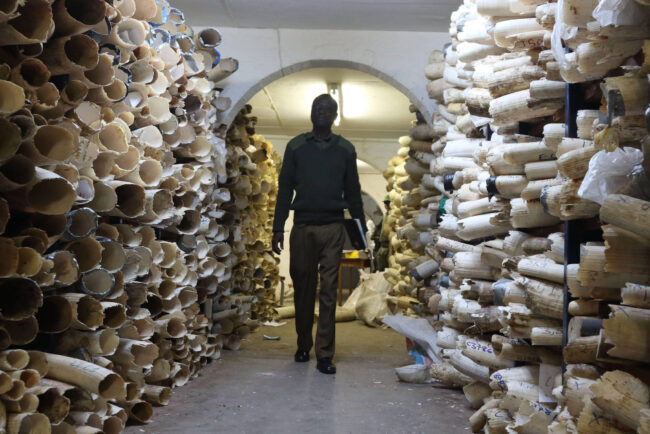
* Unlocking Economic Value: Zimbabwe currently holds stockpiles of legally obtained ivory – representing elephants that died of natural causes or were legally culled. This ivory sits unused, offering no economic benefit to local communities or contributing to conservation efforts. As wildlife conservation author Koro points out, there’s simply no justification for this inaction.
* Funding Conservation: The funds generated from a regulated sale could be directly reinvested into anti-poaching units, community advancement projects, and habitat preservation. Currently, Zimbabwe relies heavily on external funding, placing a burden on international taxpayers.
* Reducing Incentive for Poaching: By creating a legal market, the demand for illegally poached ivory could be diminished, theoretically reducing the incentive for criminal activity.
The human Cost of Coexistence
The debate isn’t just about economics and conservation policy; it’s about the lives and livelihoods of people living alongside elephants. Increasingly, human-elephant conflict is a devastating reality.
Consider the story of Reason Chitanha, who narrowly survived a brutal elephant attack. She’s not alone. Chitanha reports four deaths in her area since June of last year. These incidents highlight a growing crisis: as elephant populations grow, competition for resources intensifies, leading to more frequent and perilous encounters with humans.
For communities like Chitanha’s,the idea of benefiting from ivory sales isn’t about greed – it’s about survival and a sense of fairness. “I fail to understand why someone can block the sale of ivory which can end up helping our communities,” she poignantly states.
A Question of Depiction and policy
Zimbabwe argues that the current CITES voting structure is unfair. With two-thirds of the world’s elephants residing in Southern Africa,they believe thier voices should carry more weight when deciding the fate of ivory.
Farawo, a spokesperson for Zimbabwe Parks and Wildlife Management Authority (Zimparks), emphasizes this point. “What we are pushing [for] as a country is to say, those who have elephants, [our] votes must carry greater weight than those who don’t have.” He argues that focusing on issues like dolphin conservation while ignoring the realities faced by elephant-range states is unproductive.
Beyond Prohibition: A New Approach to Conservation?
Wildlife conservation research consultant Christina Hiller at the University of Kent suggests a fundamental shift in thinking is needed. She argues that ideologically driven policies are failing to address the complex challenges of conservation.
Hiller proposes:
* Permission-Based Policies: Conservation efforts are more effective when framed as permissions – empowering local communities to manage resources sustainably – rather than prohibitions.
* Understanding Local Beliefs: Policies must align with the values and beliefs of the people who live with wildlife. She likens these beliefs to a “mother tongue” – deeply ingrained and unconsciously applied.
* Reconsidering CITES: The entire approach of CITES needs to be re-evaluated, moving away from blanket bans and towards more nuanced, context-specific solutions.
The Concerns Remain: A Complex Landscape
Despite the compelling arguments from Zimbabwe, significant concerns remain.Critics fear that legalizing ivory sales will:
* Stimulate Demand: Reopening the market could increase demand, ultimately driving more poaching.
* Undermine Enforcement: It could be difficult to distinguish between legal and illegal ivory