
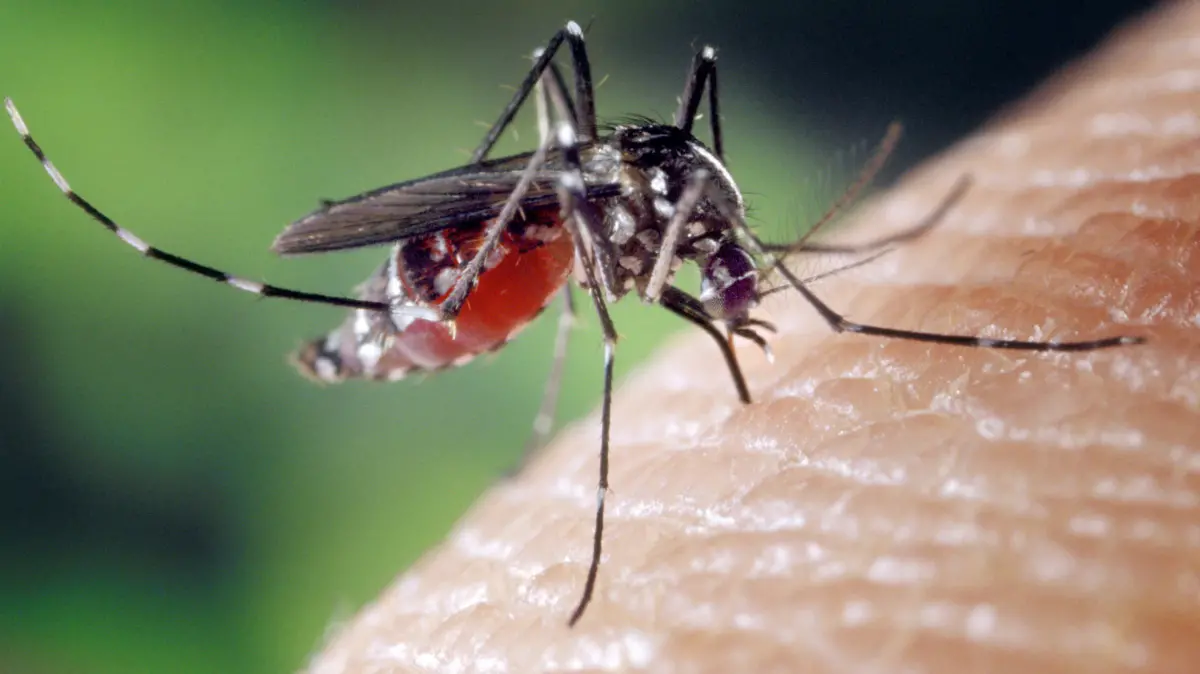
Health authorities in Italy are taking decisive action following a confirmed Dengue case in Brescia, triggering an urgent mosquito disinfection campaign in the city’s center. The intervention, coordinated by the Municipality of Brescia and the local health protection agency, Ats Brescia, aims to eliminate the risk of local transmission after a case was identified as having been imported from abroad according to local reports.
The response is focused on a specific radius around the residence of the infected individual in via Monte Suello. Because Dengue fever is transmitted to humans through the bite of infected mosquitoes—specifically the tiger mosquito (Aedes albopictus)—rapid vector control is essential to prevent the virus from establishing a local cycle of infection. By targeting the mosquito population immediately, health officials hope to neutralize the threat before other residents can be bitten by mosquitoes that may have fed on the patient.
The disinfection operation is scheduled to seize place over three consecutive days: Tuesday, April 14, Wednesday, April 15, and Thursday, April 16, 2026 as confirmed by municipal notices. These treatments will involve the application of both adulticides to kill flying mosquitoes and larvicides to destroy larvae in standing water, ensuring a comprehensive reduction of the insect population within the affected zone.
Disinfection Schedule and Affected Areas
The intervention is highly localized, targeting a 200-meter radius around the home of the patient to maximize the efficiency of the vector control. The Municipality of Brescia has specified a strict timeline for the operations to minimize disruption and ensure safety. In public areas, the treatments will be carried out between 5:00 AM and 7:00 AM, whereas interventions in private areas are scheduled from 7:00 AM to 12:30 PM per the operational plan.
Residents should be aware that the following streets are included in the treatment zone according to the official list:
- Via Luigi Apollonio
- Via Bredina
- Via Bezzecca
- Piazzale Cesare Battisti
- Via Damiano Chiesa
- Via Giovanni Chiassi
- Via Trento
- Via Monte Suello
- Via Giuseppe Camillo Martinengo Cesaresco
- Via Quarto dei Mille
- Via Achille Papa
- Via Rocca d’Anfo
- Via Nicolò Tomaseo
The city has advised residents to visit the dedicated page on the Municipality of Brescia website to verify if their specific house number falls within the intervention area. These dates are subject to change in the event of adverse weather conditions, such as rain, which could delay the treatments to the next available viable day as stated by the city administration.
Safety Guidelines for Residents
During the disinfection process, strict safety protocols must be followed to avoid unnecessary exposure to the chemicals used. Health officials emphasize that residents should not enter treated areas until the disinfection process is fully complete. While the treatments are active, individuals are urged to remain inside their homes or workplaces with all windows and doors tightly closed. Any mechanical air exchange or ventilation systems should be suspended to prevent the intake of treated air as per health directives.
Pet owners must also take precautions, ensuring that all domestic animals remain indoors during the operation. For items left outside, such as outdoor furniture or children’s toys that may have been exposed to the treatment, the municipality recommends washing them with standard detergents while wearing washable or disposable gloves to ensure safety.
Regarding the use of outdoor spaces, the municipality has clarified that vegetable gardens and orchards will not be involved in the disinfection. Private courtyards or internal gardens may be safely accessed five hours after the treatment has been completed according to the guidelines.
Quick Reference: Resident Safety Checklist
| Action | Requirement |
|---|---|
| Indoor Access | Stay inside with doors and windows closed during treatment. |
| Ventilation | Turn off all air exchange and ventilation systems. |
| Pets | Retain all domestic animals indoors. |
| Outdoor Items | Wash toys and furniture with detergents and gloves. |
| Private Courtyards | Wait 5 hours after treatment before entering. |
Understanding the Public Health Response
From a clinical perspective, the response to a Dengue case in Brescia is a textbook example of proactive vector management. Dengue is a viral infection transmitted by the Aedes mosquito. When a case is “imported,” it means the person contracted the virus in a region where Dengue is endemic. Although, if a local mosquito bites that infected person, the mosquito becomes a carrier and can then transmit the virus to other healthy people in the community. This is how “autochthonous” or local transmission begins.
The use of adulticides and larvicides is a dual-pronged strategy. Adulticides target the current population of flying mosquitoes to stop immediate transmission, while larvicides target the breeding sites—typically slight collections of stagnant water—to prevent the next generation of mosquitoes from hatching. This rapid intervention is the most effective way to break the chain of transmission in non-endemic regions like Northern Italy.
For those seeking more information or experiencing health concerns, the city has established a dedicated health emergency telephone line. This service is available 24 hours a day at 030 2042121 as provided by official sources.
The next confirmed checkpoint for this operation will be the completion of the final scheduled treatment on Thursday, April 16, 2026, pending weather conditions. Residents are encouraged to stay updated via the official municipal website.
Do you have questions about vector-borne diseases or the precautions being taken in your area? Share your thoughts in the comments below or share this article to keep your community informed.