
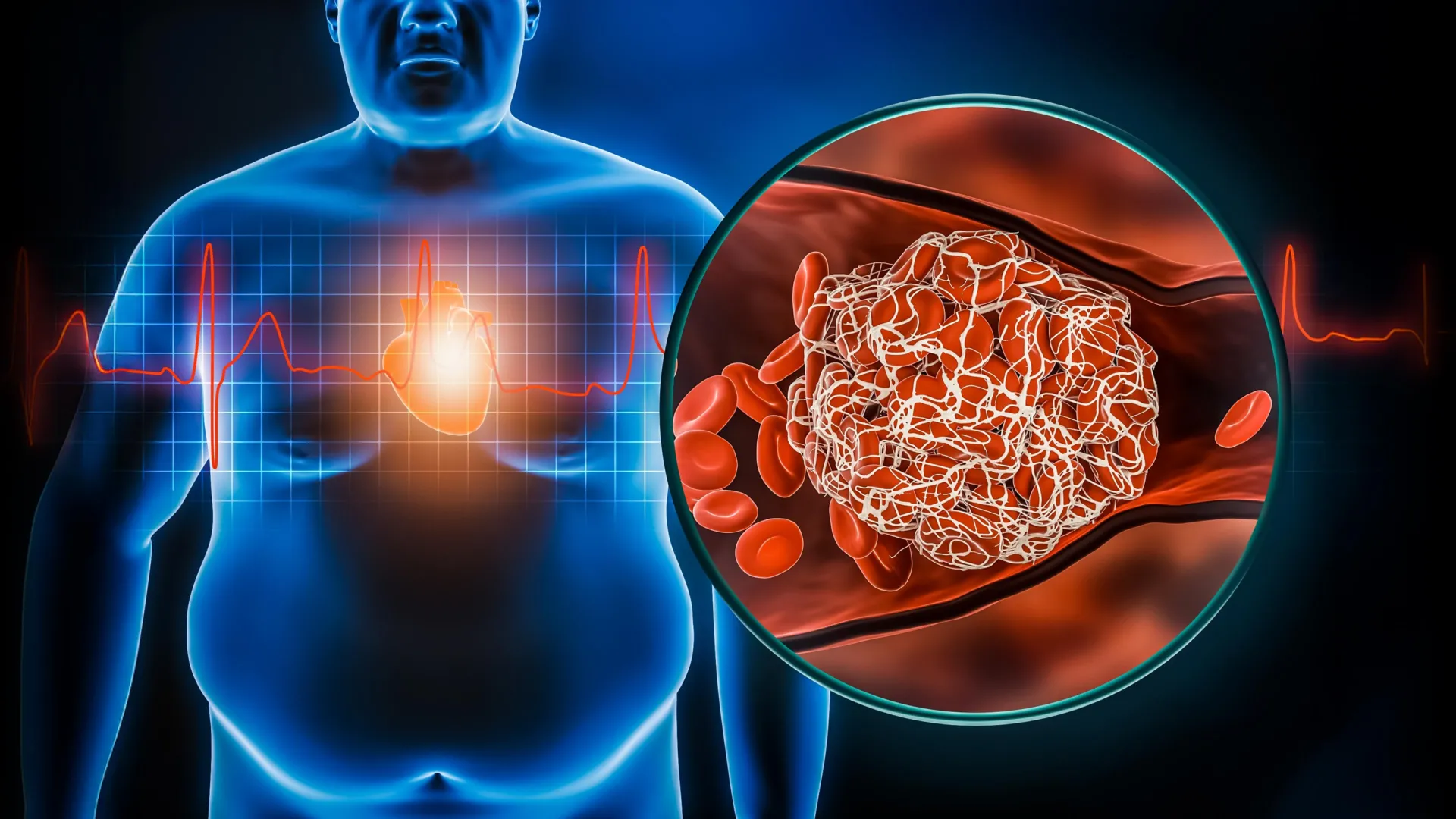
Obesity is often discussed as a universal health crisis, but new evidence suggests that the disease does not impact every body in the same way. Recent research presented at the European Congress on Obesity (ECO) in Istanbul, Turkey, reveals that men and women with obesity face incredibly different hidden health risks, suggesting that a “one size fits all” approach to treatment may be outdated.
The findings, led by Dr. Zeynep Pekel and a research team from Dokuz Eylul University in Izmir, Turkey, indicate that the physiological manifestation of obesity varies significantly by sex. Whereas both men and women experience the systemic effects of excess weight, the specific biological markers and the locations where fat accumulates differ, leading to distinct profiles of cardiovascular and metabolic risk.
For men, the risks are more closely tied to the accumulation of visceral fat and organ stress. For women, the dangers are more closely linked to systemic inflammation and lipid imbalances. These distinctions are critical as they influence how the disease progresses and how patients respond to medical interventions.
The Male Profile: Abdominal Fat and Liver Stress
According to the research from Dokuz Eylul University, men with obesity are more likely to accumulate abdominal, or visceral, fat. Unlike subcutaneous fat, which sits just under the skin, visceral fat surrounds internal organs. This specific type of fat accumulation is strongly linked to the development of serious metabolic conditions and heart health complications.
Beyond fat distribution, the study highlighted significant differences in organ function. Men in the study showed higher levels of liver enzymes, which medical professionals view as a potential signal of liver damage or stress. This suggests that men may be more susceptible to liver-related complications as a direct result of obesity.
The Female Profile: Inflammation and Cholesterol
The biological impact on women presents a different set of challenges. The research indicates that women with obesity are more likely to experience widespread inflammation and elevated cholesterol levels. While they may not show the same levels of visceral fat accumulation as men, these systemic markers significantly increase the risk of developing type 2 diabetes and heart disease.
Dr. Zeynep Pekel noted that these findings reveal “intriguing differences” in how the sexes respond to obesity. By identifying that women are more prone to inflammation and cholesterol spikes, clinicians can better understand why certain cardiovascular risks emerge differently in female patients compared to their male counterparts.
Moving Toward Tailored Obesity Treatments
The discovery of these sex-specific pathways is driving a shift toward more personalized medicine. Scientists suggest that these insights could lead to more tailored treatments for obesity, moving away from generalized weight-loss goals and toward targeted interventions that address the specific risks associated with a patient’s sex.

This push for precision is already reflected in the study of second-generation anti-obesity medications. Researchers are increasingly investigating sex differences in the efficacy and application of medications such as semaglutide and tirzepatide. Narrative reviews have highlighted the importance of considering how factors like hormones and body composition influence the pathways of obesity-related conditions, including:
- Type 2 diabetes
- Obstructive sleep apnea
- Knee osteoarthritis
- Heart failure
By understanding that hormones and body composition create sex-specific pathways, clinicians can better predict how a patient will respond to these medications and manage the accompanying comorbidities more effectively. More information on these sex differences in treatment can be found via PubMed.
Key Comparison of Obesity Risks by Sex
| Risk Factor | Men | Women |
|---|---|---|
| Primary Fat Accumulation | Abdominal (Visceral) Fat | Widespread/Subcutaneous |
| Organ Stress | Higher Liver Enzyme Levels | Systemic Inflammation |
| Metabolic Markers | Liver Stress Signs | Elevated Cholesterol |
| Primary Health Risks | Heart and Metabolic Conditions | Heart Disease and Type 2 Diabetes |
As the medical community continues to analyze the data from the European Congress on Obesity, the goal remains to transition from general weight management to a strategy that accounts for the biological reality of the patient. This ensures that a woman with high inflammation receives a different therapeutic focus than a man with high liver stress, even if their Body Mass Index (BMI) is identical.
The next phase of this research will likely involve further clinical trials to determine if sex-specific dosing or combination therapies for semaglutide and tirzepatide yield better outcomes. We encourage readers to share this article and leave their thoughts on the importance of personalized healthcare in the comments below.