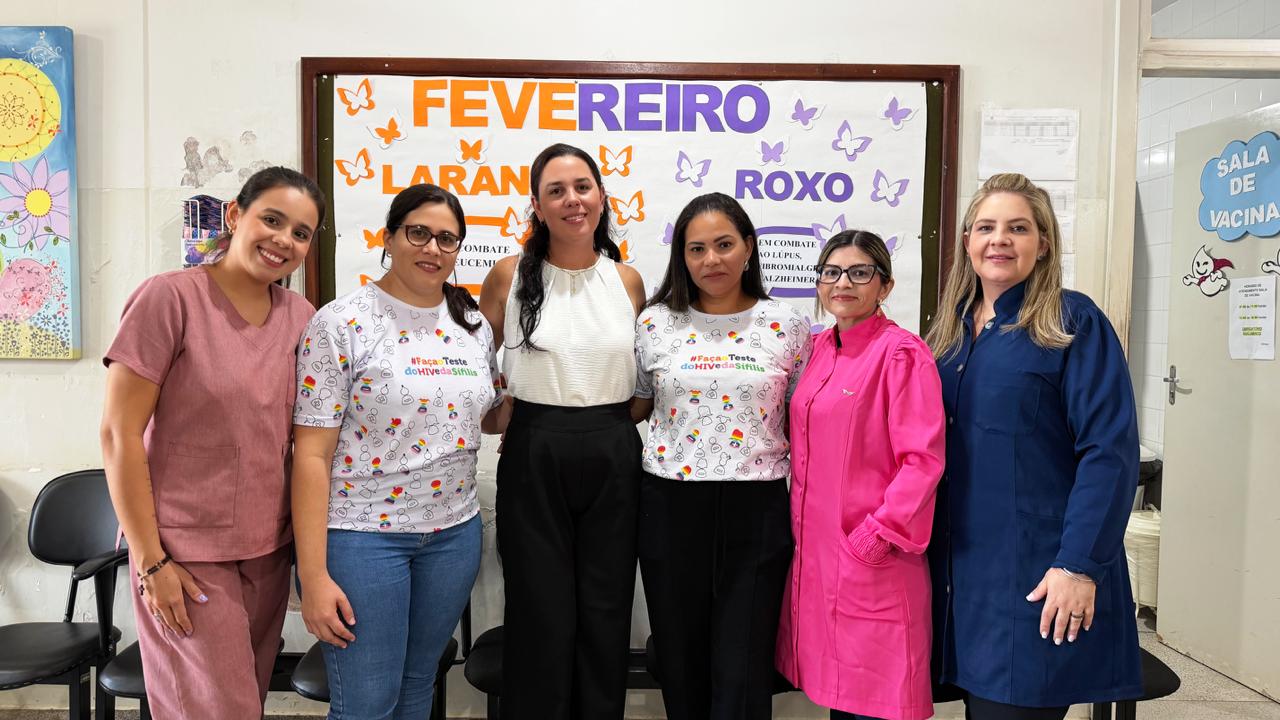
Dengue Vaccination Campaign Begins in Guaraci, São Paulo, Prioritizing Healthcare Workers
Guaraci, a municipality in the state of São Paulo, Brazil, has initiated its dengue vaccination campaign utilizing the Butantan-DV vaccine, marking a significant step in the nation’s efforts to combat the widespread threat of dengue fever. The initial rollout, which began with a delivery of 43 doses, is focused on protecting frontline healthcare professionals – those working in primary care, community health agents and teams dedicated to controlling endemic diseases. This targeted approach reflects a broader strategy by the São Paulo state government to safeguard those most at risk of exposure while simultaneously bolstering the capacity of the healthcare system to respond to potential outbreaks. The Butantan-DV vaccine, developed by the Instituto Butantan, represents a promising advancement in dengue prevention, offering a single-dose protection against all four serotypes of the virus.
The vaccination effort in Guaraci was overseen by Lilian Cristina da Silva, the municipal director of health, who closely monitored the administration of the first doses. Among the first healthcare workers to receive the vaccine were Caroline Guimarães, Elisangela, and Simone, symbolizing the commitment to protecting those dedicated to public health. This initial phase is part of a larger statewide mobilization launched on February 9th, encompassing all 645 municipalities within São Paulo. The rollout of the Butantan-DV vaccine is particularly timely given the ongoing challenges posed by dengue fever in Brazil and across Latin America, where the disease is endemic and can cause significant morbidity and mortality.
Butantan-DV: A Novel Approach to Dengue Prevention
The Butantan-DV vaccine, developed by the Instituto Butantan, is a live, attenuated tetravalent vaccine, meaning it contains a weakened form of all four dengue virus serotypes (DENV-1, DENV-2, DENV-3, and DENV-4). According to research published in The Lancet, the vaccine has demonstrated both efficacy and safety in a phase 3 clinical trial involving participants aged 2-59 years, with follow-up extending over a period of 3.7 years. This extended follow-up provides crucial data regarding the long-term protection offered by the vaccine. The vaccine’s single-dose regimen is a significant advantage, potentially simplifying vaccination campaigns and improving coverage rates, as highlighted in a 2018 report in Human Vaccines & Immunotherapeutics, which noted that fewer doses can lead to greater vaccine adherence.
Expanding Access and Monitoring Safety
Currently, the 43 doses allocated to Guaraci are exclusively for healthcare professionals involved in dengue management. The expansion of the vaccination program to the general population will depend on the availability of additional vaccine supplies and further guidance from health authorities. This phased approach allows for careful monitoring of vaccine effectiveness and safety within the initial target group before broader implementation. Data from the Instituto Butantan indicates that the vaccine has demonstrated efficacy in both individuals with prior dengue infection and those without prior exposure. Commonly reported adverse reactions include pain and redness at the injection site, headache, and fatigue, with serious adverse events being reported as rare.
The implementation of the Butantan-DV vaccine is a crucial component of a comprehensive strategy to prevent and control dengue fever. As highlighted by Lilian Cristina da Silva, the municipal director of health, vaccination is integrated with ongoing mosquito control measures and community mobilization efforts. These combined strategies aim to reduce the incidence of dengue and protect the population of Guaraci from this potentially debilitating disease. Continued monitoring of vaccine coverage, effectiveness, and safety will be essential to optimize the impact of this important public health intervention.
The broader context of dengue in Brazil underscores the importance of this vaccination campaign. Dengue fever remains a significant public health challenge, with outbreaks occurring regularly across the country. The World Health Organization estimates that approximately 500,000 cases of dengue are reported in Brazil each year, although the actual number is likely higher due to underreporting. The introduction of a safe and effective vaccine like Butantan-DV offers a powerful new tool in the fight against this pervasive disease.
Further clinical trials, including one detailed on ClinicalTrials.gov (DEN-04-IB), are ongoing to assess the vaccine’s performance in elderly populations, further expanding our understanding of its potential benefits across different age groups. These ongoing studies are critical for refining vaccination strategies and ensuring optimal protection for all segments of the population.
The success of the vaccination campaign in Guaraci, and its subsequent expansion across São Paulo and beyond, will depend on continued collaboration between healthcare providers, government agencies, and the community. Effective communication, accessible vaccination sites, and ongoing monitoring will be key to achieving high vaccination coverage and minimizing the burden of dengue fever in Brazil.
Looking ahead, the São Paulo state health authorities will continue to monitor the progress of the vaccination campaign and provide updates to the public. Residents are encouraged to stay informed through official channels and to follow the guidance of healthcare professionals regarding dengue prevention and vaccination. The ongoing efforts to combat dengue fever represent a significant investment in public health and a commitment to protecting the well-being of communities across the state.

Key Takeaways:
- The Butantan-DV vaccine is a single-dose vaccine protecting against all four dengue serotypes.
- The initial rollout in Guaraci prioritizes healthcare workers on the front lines of dengue care.
- The vaccine has demonstrated efficacy and a favorable safety profile in clinical trials.
- Expansion to the general population will depend on vaccine supply and further guidance.
This is a developing story. We will continue to provide updates as more information becomes available. Share your thoughts and experiences in the comments below, and please share this article with your network to help raise awareness about this important public health initiative.
Keep reading