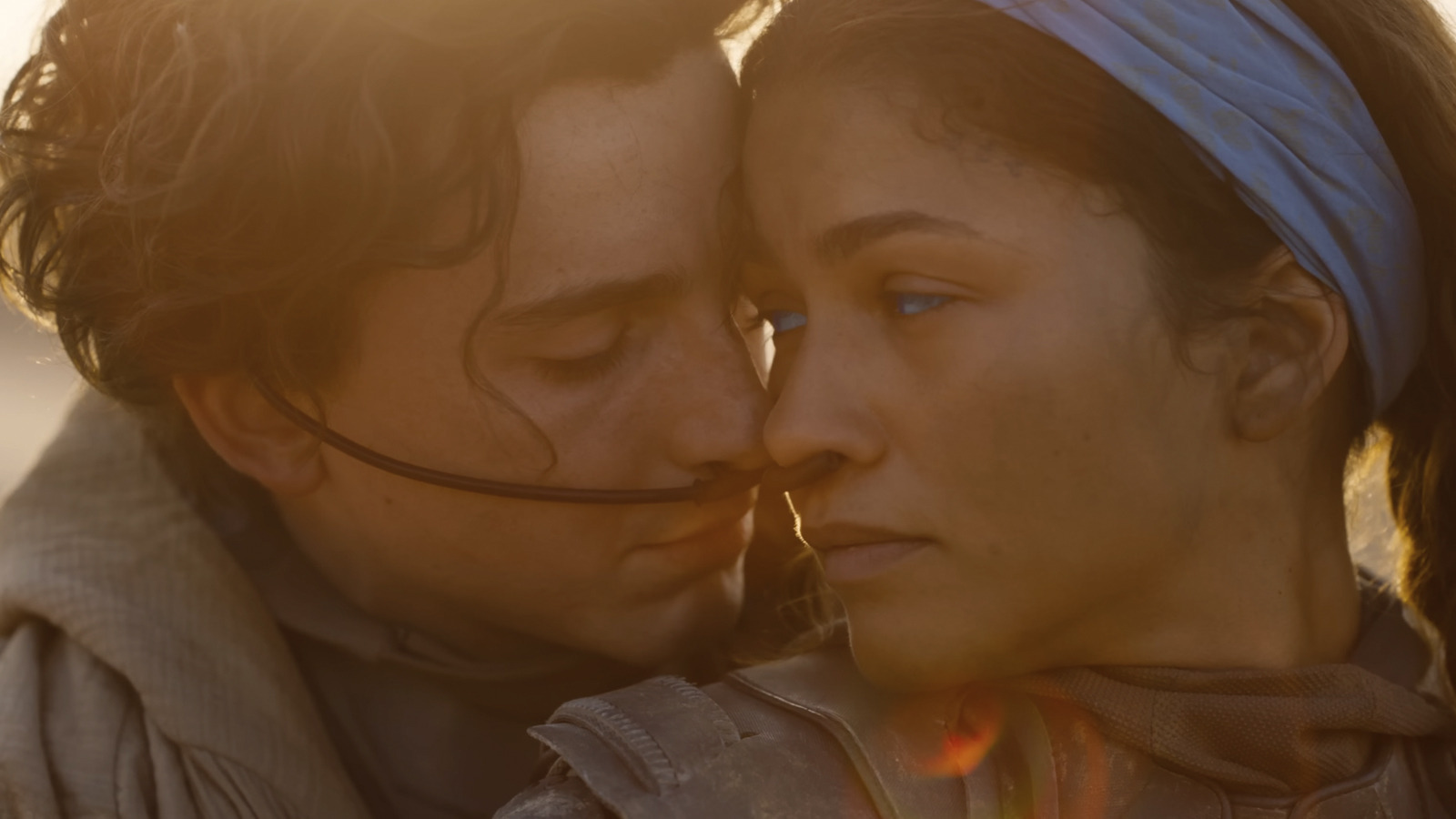
Director Denis Villeneuve is currently developing a third installment in his science fiction epic, titled Dune: Messiah, which aims to distinguish itself from its predecessors, Dune: Part One and Dune: Part Two. While the first two films focused on the rise of Paul Atreides, Villeneuve has confirmed that the third entry will offer a shift in tone, narrative scope, and thematic focus to conclude his adaptation of Frank Herbert’s seminal novels.
The project, which is being developed under the banner of Legendary Entertainment, serves as the final chapter in Villeneuve’s planned trilogy. According to industry reports from Variety, the director has been actively working on the screenplay, emphasizing that the film will move away from the traditional “hero’s journey” structure that defined the early parts of the story. For Villeneuve, the goal is to ensure the third film feels like a unique entity while maintaining the visual language established in the previous entries.
A Shift Toward Narrative Deconstruction
One of the primary ways Dune: Messiah will differ from the earlier films is its direct engagement with the consequences of Paul Atreides’ rise to power. In the previous installments, the narrative followed the classic structure of a young man discovering his destiny. Villeneuve has stated that the third film acts as a cautionary tale rather than a celebration of a hero, focusing on the dark implications of religious fanaticism and the burden of prophecy.
This thematic pivot aligns with the source material, as Frank Herbert wrote Dune: Messiah specifically to correct readers who viewed Paul Atreides as a traditional hero. By stripping away the epic scale of a planetary war and focusing on the psychological and political unraveling of the main character, Villeneuve intends to subvert the expectations built by the massive battles seen in Dune: Part Two. The film will explore the “tragedy” of the character, a departure from the more triumphant notes found in standard big-budget adaptations.
The Evolution of Visual and Auditory Scale
Villeneuve has consistently prioritized practical effects and immersive sound design, but he has noted that the third film will require a different approach to world-building. While Dune: Part One introduced the vast deserts of Arrakis and Dune: Part Two expanded into the industrial landscapes of Giedi Prime, Dune: Messiah is expected to explore new, more intimate locations that reflect the shifting political landscape of the Imperium.

The production design team, led by Patrice Vermette, has been tasked with maintaining the “brutalist” aesthetic that has become a hallmark of the series, according to reports from The Hollywood Reporter. However, the visual language will be adjusted to mirror the internal state of the characters. As the story moves further into the future, the cinematography will likely lean into more claustrophobic and tense environments, moving away from the wide, sweeping landscapes that defined the first two films.
A Finalized Character Arc
The third major distinction involves the resolution of the character arcs that have been in motion since 2021. Villeneuve has expressed that he views the trilogy as a complete narrative arc for the Atreides family. Unlike many modern franchises that leave threads open for endless sequels, the director has signaled that Dune: Messiah will provide a definitive conclusion. This sense of finality changes how the story is paced; there is no need to set up future spin-offs, allowing the film to focus entirely on the emotional and moral fallout of the preceding events.

The cast, led by Timothée Chalamet and Zendaya, is expected to return to navigate these more complex character dynamics. By grounding the third film in the finality of the original text, Villeneuve aims to differentiate it from the “part one” and “part two” structure, providing an ending that feels earned after the extensive world-building of the first two chapters.
As of late 2024, there is no official release date for Dune: Messiah. Warner Bros. Pictures and Legendary Entertainment have yet to confirm a production start date, though reports suggest that the script is the director’s primary focus before he returns to the set. Fans looking for official updates on the development process should monitor announcements from the studio’s official press portal. We invite readers to share their thoughts on the direction of the trilogy in the comments section below.