Denmark Apologizes for Forced Contraception of Inuit Women in greenland
For decades, a painful chapter remained largely unspoken. Now, the Danish government has formally apologized for a deeply disturbing practice: the non-consensual administration of contraception to Inuit women in Greenland between the 1960s and mid-1970s. This apology follows a recent independent examination that revealed the harrowing extent of the program and its lasting impact on individuals and the community.
A History of Unacknowledged Harm
The investigation uncovered that thousands of Greenlandic women and girls – possibly half of the fertile female population at the time – received intrauterine devices (IUDs) or hormonal birth control injections. Shockingly, many were as young as 12 years old. Crucially, these procedures were carried out without informed consent or any explanation of the process.
This wasn’t simply a medical intervention; it was a violation of bodily autonomy and a breach of trust. You can imagine the fear and confusion experienced by these young women, subjected to medical procedures they didn’t understand and hadn’t agreed to.
The Lasting Scars
The consequences extended far beyond the immediate physical experience. Many women reported traumatic experiences, leading to feelings of shame, anxiety, and lasting physical side effects. These included pain, bleeding, and even serious infections.
Consider the emotional toll: decades of silence, the inability to discuss a deeply personal and violating experience, and the lingering questions about the impact on their reproductive health. The investigation documented the experiences of 354 women, but authorities believe over 4,000 were affected.
the Rationale Behind the Program
The stated goal of this program was to control population growth in Greenland. During this period, improved living conditions and healthcare led to a rapid increase in the island’s population. However,the method chosen – forced contraception – was unethical and deeply harmful.
It’s vital to understand that population control measures should never come at the expense of individual rights and dignity. This program represents a clear failure to uphold those principles.
Voices of the Affected
Women are now coming forward to share their stories, seeking acknowledgment and healing. Kirstine Berthelsen, 66, recalls being fitted with an IUD at age 14 with no explanation. She now believes complications from the device contributed to subsequent pregnancy losses.
Another woman, who wishes to remain anonymous, had her IUD removed earlier this year after remaining silent for over 30 years. She expresses solidarity with other women who endured similar experiences, stating, “I feel with my fellow women from this episode of our life.”
What the Apology Means
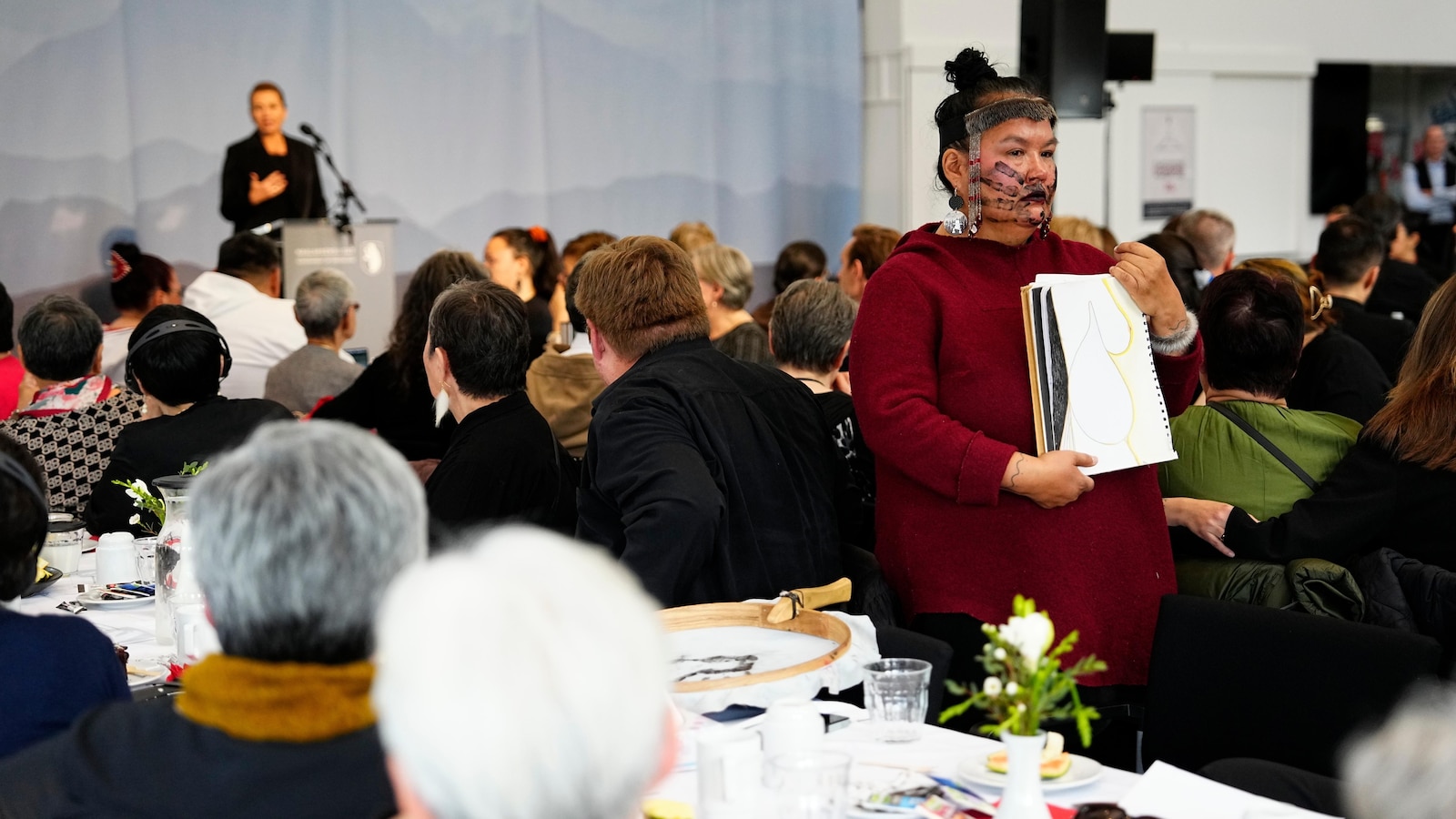
The official apology, delivered in Nuuk, Greenland, marks a important step toward reconciliation. For many, it’s a long-overdue acknowledgment of the harm caused by the Danish state.
This isn’t just about the past; it’s about building a future based on respect,trust,and the protection of basic human rights. Berthelsen, who traveled from Copenhagen to attend the event, described the apology as coming at “the right time,” expressing hope that it will bring personal peace and facilitate healing.
Moving Forward
While an apology is a crucial first step, further action is needed. This includes:
* Extensive support services: Providing access to mental health care and medical support for affected women.
* Continued investigation: Determining the full extent of the program and identifying all those who were harmed.
* Preventing recurrence: Ensuring that such violations of human rights never happen again.
* Financial compensation: Addressing the economic hardships caused by the program.
This situation serves as a stark reminder of the importance of informed consent, bodily autonomy, and the ethical responsibilities of healthcare providers and governments. It’s a lesson that must be learned and applied to ensure the well-being and dignity of all individuals.
This article aims to provide a comprehensive and sensitive overview of this vital issue, offering context, acknowledging the harm caused, and highlighting the path toward healing and reconciliation. It’s a story that deserves to be told and remembered.