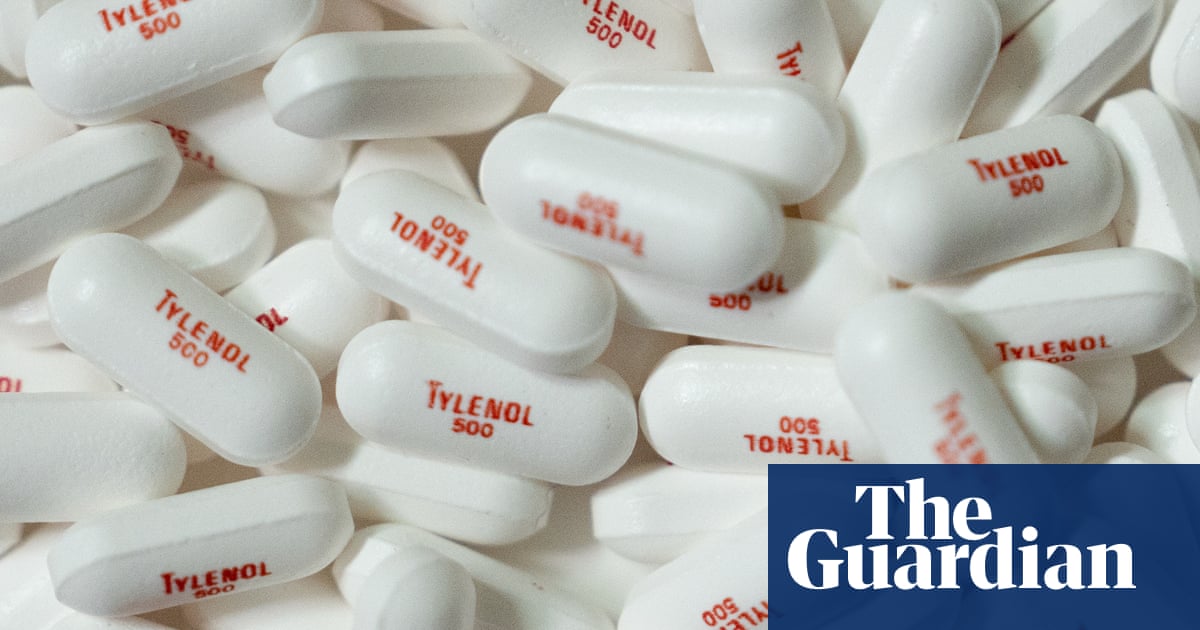
Debunking Claims Linking Acetaminophen & Vaccines to Autism: A WHO & Expert Response
Last Updated: September 24, 2025
Recent assertions linking common medications like acetaminophen (Tylenol) and vaccines to autism have sparked concern. The World Health Association (WHO) and leading medical experts are now actively pushing back against these claims, emphasizing a lack of scientific evidence and the potential harm of spreading misinformation. This article will break down the situation, providing you with a clear understanding of the facts and why these concerns are unfounded.
The Controversy: Trump AdministrationS Claims
This week,the Trump administration,alongside figures like Robert F.Kennedy Jr., issued warnings about acetaminophen use during pregnancy, alleging a connection to rising autism rates. They also announced plans for a new study investigating potential links between childhood vaccines and autism.Former President Trump specifically advised pregnant women to discuss limiting acetaminophen use with their doctors.
These statements have been met with swift and strong criticism from the medical community. Why? Because they contradict decades of rigorous scientific research.
What the WHO says: No Consistent Association
The WHO has released a firm statement clarifying that “extensive research, including large-scale studies over the past decade, has found no consistent association” between acetaminophen use during pregnancy and autism.
Here’s what you need to know:
* Existing Research is Robust: Numerous studies have investigated this potential link.
* No Proven Connection: These studies have consistently failed to demonstrate a causal relationship.
* Follow Your Doctor’s Advice: The WHO recommends continuing to follow the guidance of your healthcare provider, who can assess your individual needs and recommend appropriate medications.
The WHO also reaffirmed it’s long-standing position on vaccines: they do not cause autism. Global immunization efforts, guided by the WHO over the past five decades, have prevented at least 154 million deaths.
Why the Concern About Acetaminophen? Addressing Flawed Studies
While all medications should be used cautiously during pregnancy, particularly in the early stages, the concerns surrounding acetaminophen stem from earlier studies that have as been discredited. The WHO points out these studies were flawed in their methodology and have not been replicated with consistent results.
It’s crucial to understand that correlation does not equal causation. Just as two things happen around the same time doesn’t mean one causes the other.
Vaccines & autism: A Debunked Link
The claim that vaccines cause autism has been thoroughly debunked by the scientific community. ”Large, high-quality studies from many countries have all reached the same conclusion,” the WHO states.
Here’s a fast recap:
- the Original Study Was Retracted: The 1998 study that initially raised concerns was retracted by The lancet medical journal due to serious ethical violations and fraudulent data.
- extensive Research Followed: Countless studies have since been conducted, all confirming the safety of vaccines and their lack of connection to autism.
- Vaccines Save Lives: Vaccines remain essential for protecting children and communities from preventable diseases.
Expert Voices: ACOG & Beyond
The American College of Obstetricians and Gynecologists (ACOG) has also weighed in, calling the Trump administration’s claims “highly concerning” and “irresponsible.” they emphasize the potential for harm and confusion these statements can cause for pregnant patients.
Other medical experts have echoed these concerns, highlighting the baseless nature of the claims and the importance of relying on evidence-based medicine.
Understanding Autism: A Complex Condition
Autism affects an estimated 62 million people worldwide – roughly one in 127 individuals. The causes of autism are complex and not fully understood. Researchers believe a combination of genetic and environmental factors likely plays a role.
It’s critically important to remember:
* Autism is a neurodevelopmental condition: It affects how a person interacts with the world.
* It’s not caused by vaccines or acetaminophen: These claims are not supported by scientific evidence.
* Early diagnosis and intervention are key: Support and resources are available to help individuals with autism thrive.
Looking Ahead: The UN High-Level Meeting
the issue of autism and other neurodevelopmental conditions is expected to be a central focus at the UN high-level meeting on mental health and non-communicable diseases this Thursday. This meeting provides an critically important platform for raising
Related reading
- Intermittent Fasting: How an 8-Hour Eating Window Boosts Weight Loss and Health
- WHO Report: Progress and Challenges in Eliminating HIV, Viral Hepatitis, and STIs by 2030
- The Senate Blue Slip, Explained: The Custom Trump Wants Gone (daybreakwire.com)
- Oil Prices Surge Over 7% as Trump Threatens Military Strike Against Iran (archyworldys.com)